
ITAT lets Section 54F relief cover two joined flats
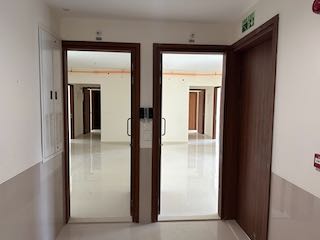
The Mumbai bench of the Income Tax Appellate Tribunal (ITAT) has given a ruling that clears up how tax relief can be claimed by someone who buys two neighbouring flats and lives in them as one home. It matters especially in cities like Mumbai, where joining smaller flats into a bigger residence is a common practice.
What the case was about
The taxpayer had sold long-term assets and put the money into two adjoining flats in Mumbai. Section 54-F of the Income Tax Act was invoked to seek a deduction, and that provision exempts capital gains when the sale proceeds go into one residential property. The Income Tax Department objected. Its argument was that the flats had been bought under separate agreements and so could not count as one residential unit.
The tribunal's finding
The ITAT sided with the taxpayer and held that the two flats were in fact used as a single home. The ruling establishes that Section 54-F benefits can be available even when two properties are bought separately, as long as they serve as one living space. The tribunal pointed out that the building plan combining the two flats into one unit had been cleared by MHADA, the Maharashtra Housing and Area Development Authority, and the tax authorities had not challenged it.
Meaning for buyers
People who want to merge adjoining flats now have more room to do so. If the flats are used as one home, buyers can qualify for tax exemption on the investment. That may encourage more people to buy several smaller units and turn them into one larger residence, particularly in crowded urban areas such as Mumbai.
Points to keep in mind when claiming
- Make sure the flats are physically joined into one residential unit.
- Get every required approval from local authorities when the flats are merged.
- Talk to tax experts about the exact conditions for exemption under Section 54-F.
Overall, the ruling is a useful precedent for buyers who invest in adjoining flats. What counts is that the properties serve as one home and that the right approvals are held before the exemption is claimed. Buyers should stay informed and careful, since each person's circumstances can differ.
For anyone looking at resale flats next to each other in the same building, this decision shows why the paperwork and the actual use of the flats deserve attention at the planning stage.