Kalpataru Signs Kandivali Cluster Redevelopment Project with ₹1,250 Crore Revenue Potential
Kalpataru Signs Kandivali Cluster Redevelopment Project with ₹1,250 Crore Revenue Potential
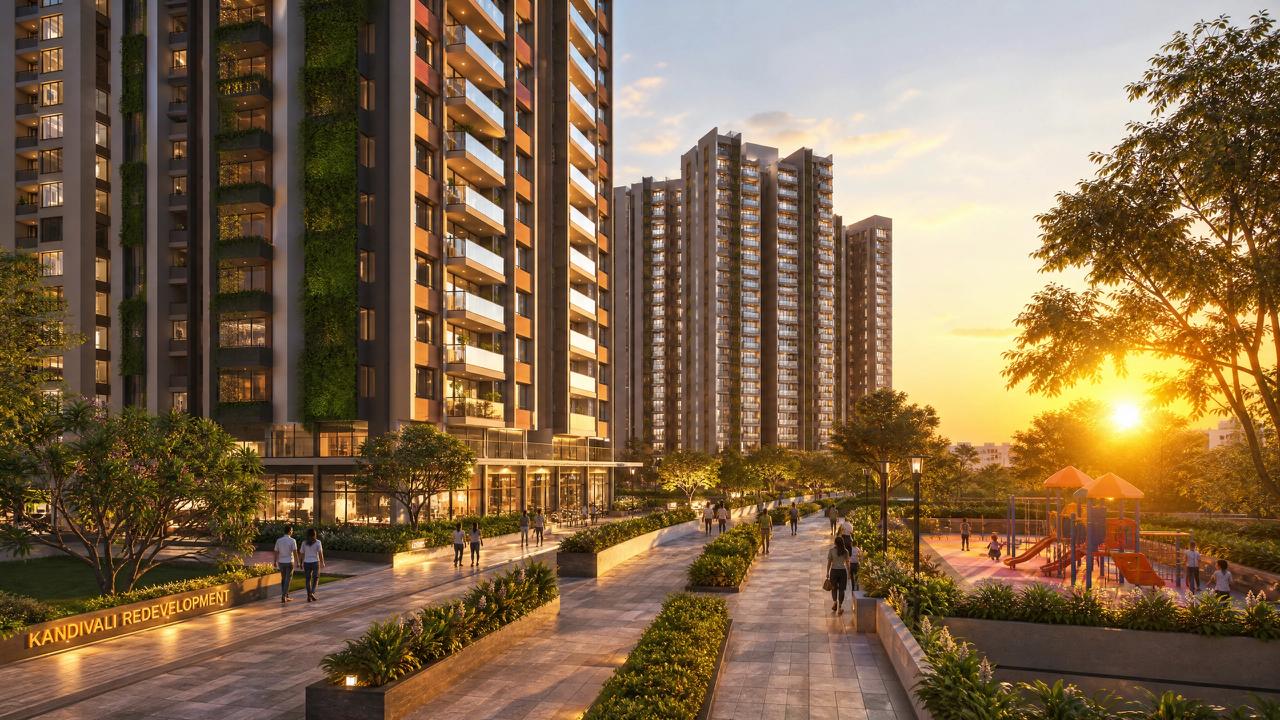
Kalpataru has signed a cluster redevelopment project in Kandivali with an estimated revenue potential of ₹1,250 crore, marking another significant step in Mumbai's expanding redevelopment landscape. The project reflects the growing emphasis on large-scale urban renewal as the city seeks to modernise ageing neighbourhoods while creating additional housing supply.
Cluster redevelopment has emerged as one of the most effective tools for addressing Mumbai's twin challenges of limited land availability and increasing housing demand. By redeveloping larger precincts rather than individual buildings, developers can create integrated communities with improved infrastructure, better amenities, and enhanced living conditions.
The Kandivali project is expected to contribute to the suburb's ongoing transformation while supporting broader housing and infrastructure objectives.
Why Cluster Redevelopment Is Gaining Momentum
Traditional redevelopment projects often focus on individual buildings or housing societies. Cluster redevelopment, however, allows multiple properties and structures within a larger area to be planned and redeveloped together.
This approach creates opportunities to improve roads, public spaces, drainage systems, utilities, and community facilities alongside residential development. It also allows for more efficient land utilisation, which is particularly important in a city where developable land remains scarce.
As Mumbai continues to grow, cluster redevelopment is increasingly viewed as a sustainable solution for urban renewal and housing creation.
Kandivali Continues to Attract Development Activity
Kandivali has emerged as one of the most active residential markets in Mumbai's western suburbs. The locality benefits from strong connectivity, established social infrastructure, and a growing base of residential and commercial development.
Improved transportation links, ongoing infrastructure projects, and redevelopment opportunities have contributed to the area's popularity among both developers and homebuyers. As a result, Kandivali continues to attract investment across multiple housing segments.
Large redevelopment initiatives are expected to further strengthen the suburb's position within Mumbai's residential landscape.
How Cluster Redevelopment Benefits Residents
One of the key advantages of cluster redevelopment is its ability to improve living conditions on a larger scale. Residents typically receive modern homes with upgraded infrastructure, enhanced safety features, and access to better amenities.
Unlike isolated redevelopment projects, cluster-based planning can transform entire neighbourhoods by addressing civic infrastructure challenges alongside residential renewal. Wider roads, improved public spaces, upgraded utility networks, and community facilities often become part of the redevelopment framework.
This comprehensive approach helps create more liveable and sustainable urban environments.
Supporting Mumbai's Housing Supply
Mumbai's future housing growth is increasingly dependent on redevelopment-led development. With limited opportunities for large greenfield projects within city limits, redevelopment remains one of the few viable ways to create substantial new housing inventory.
Cluster redevelopment projects are particularly important because they can generate a meaningful volume of residential supply while modernising older parts of the city. By increasing density in appropriate locations, such projects help accommodate growing housing demand without expanding the city's physical footprint.
The Kandivali redevelopment is expected to contribute to this broader objective of increasing housing availability.
Economic and Infrastructure Impact
Large redevelopment projects create economic benefits that extend beyond housing. Construction activity generates employment opportunities across multiple sectors, while infrastructure improvements can enhance the attractiveness of surrounding neighbourhoods.
Investment in redevelopment also supports local businesses, stimulates economic activity, and contributes to long-term urban growth. The integration of housing and infrastructure improvements can help create stronger and more resilient communities.
For suburbs such as Kandivali, redevelopment projects often act as catalysts for broader transformation and investment.
What It Means for Homebuyers
For homebuyers, redevelopment projects create opportunities to purchase modern homes in established locations with mature infrastructure and connectivity. New developments emerging from cluster redevelopment often offer contemporary amenities and improved living environments while retaining the advantages of existing neighbourhoods.
As redevelopment activity accelerates across Mumbai, buyers are likely to see an increasing number of new residential options emerge within well-connected suburbs. This helps expand housing choice while supporting long-term urban renewal.
The continued focus on cluster redevelopment highlights its growing importance in shaping Mumbai's residential future.
Expert View
"Cluster redevelopment is becoming increasingly important because it allows entire neighbourhoods to be upgraded rather than just individual buildings. Projects of this scale improve housing supply, enhance civic infrastructure, and create better urban environments. The growing interest from leading developers reflects the long-term potential of redevelopment-led growth across Mumbai." — Sandeep Sadh