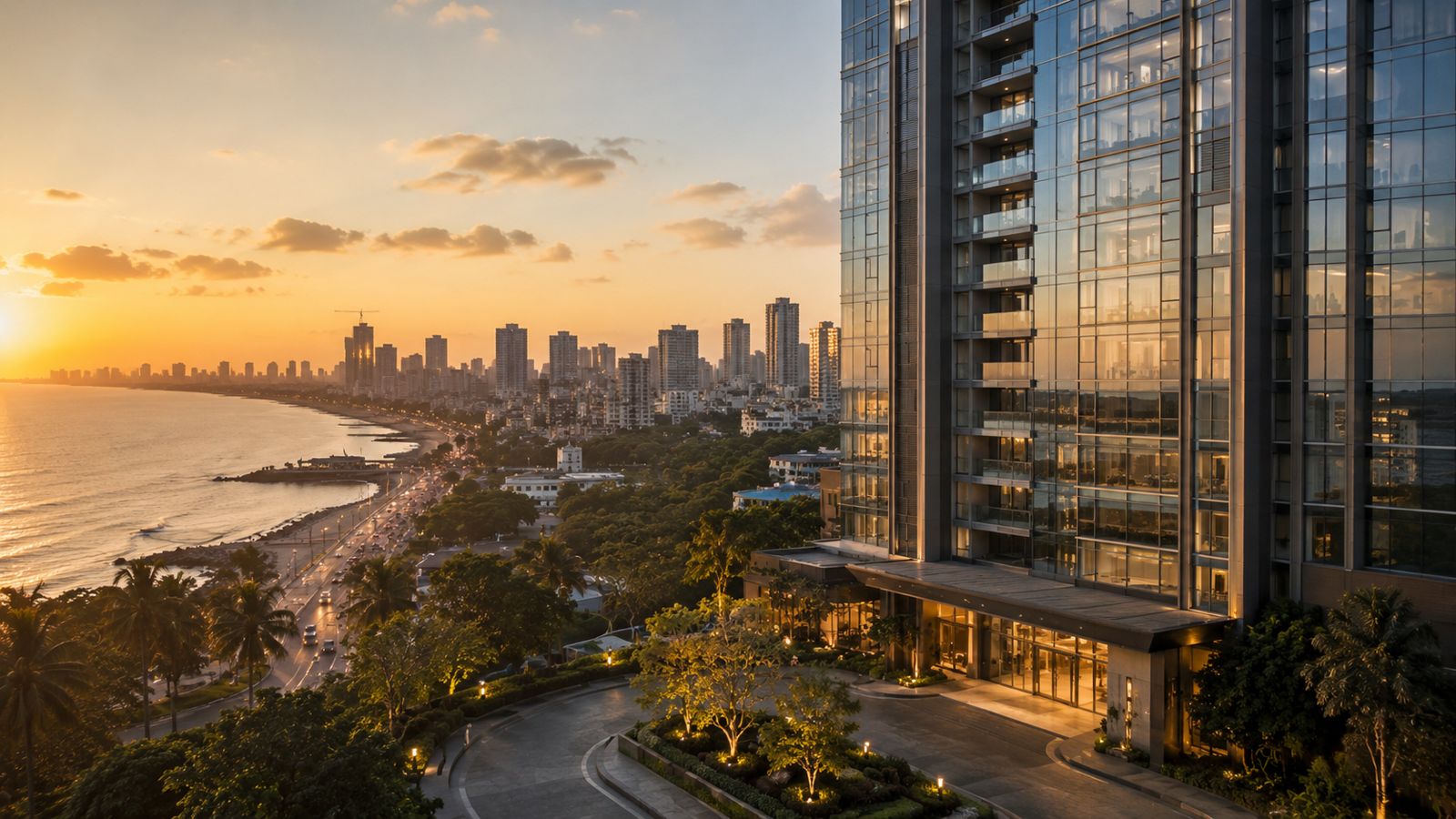
Mumbai Redevelopment Offers Huge Potential but Comes with Significant Challenges
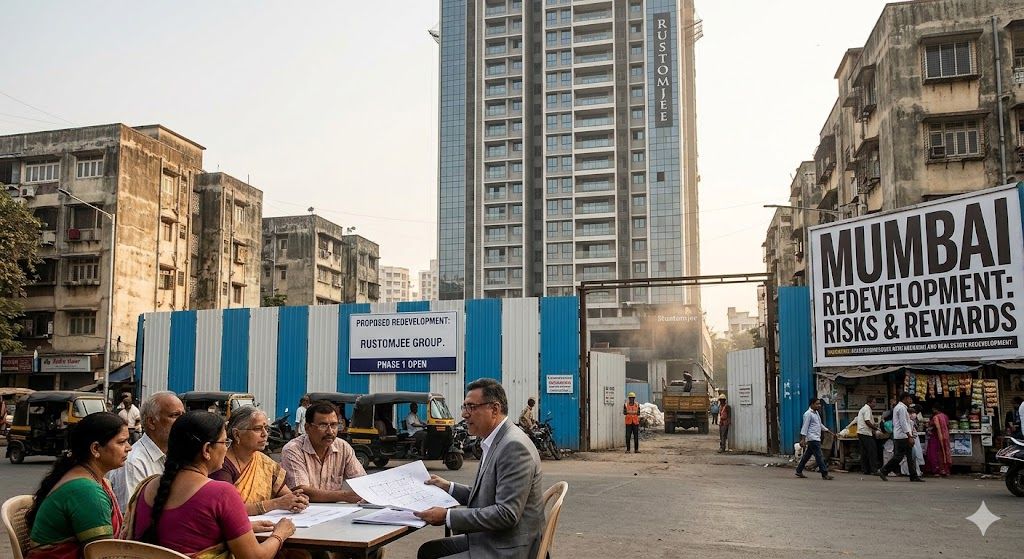
Mumbai Redevelopment Offers Huge Potential but Comes with Significant Challenges
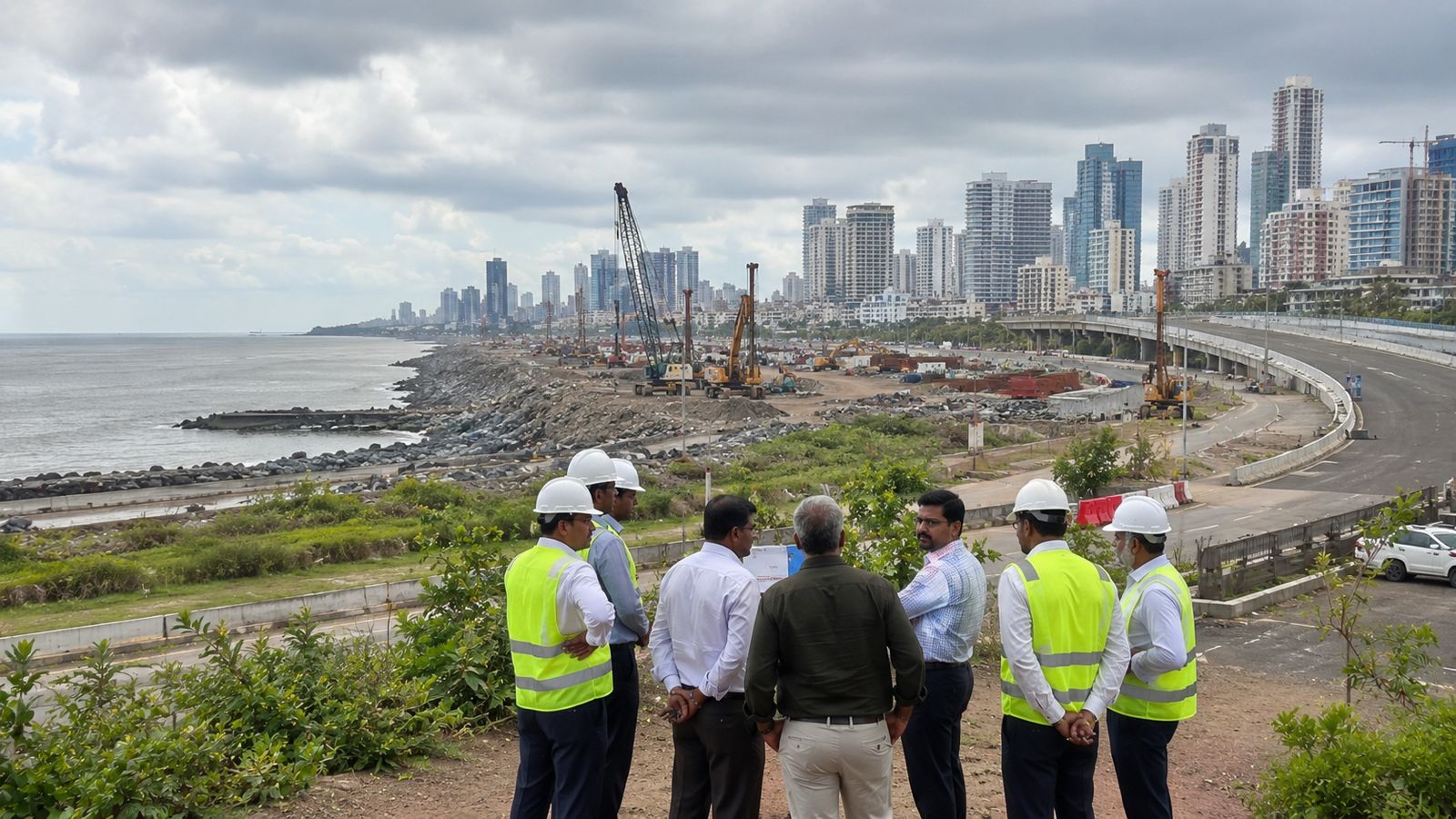
Redevelopment has become the backbone of Mumbai's real estate market, offering one of the few viable solutions to address the city's persistent housing shortage and limited availability of vacant land. As demand for housing continues to grow across the Mumbai Metropolitan Region (MMR), developers are increasingly turning their attention towards redevelopment projects that can unlock value from ageing buildings and underutilised urban land.
However, while redevelopment presents substantial opportunities, it also remains one of the most complex segments of the real estate industry. Large projects often involve multiple stakeholders, lengthy approval processes, rehabilitation commitments, and significant execution challenges.
The growing importance of redevelopment has made it a central theme in discussions about Mumbai's future housing supply and urban transformation.
Why Redevelopment Has Become Essential for Mumbai
Mumbai faces a unique challenge. The city continues to attract population growth and economic activity, yet the supply of vacant developable land remains extremely limited. As a result, redevelopment has evolved from an alternative development strategy into the primary source of new housing supply.
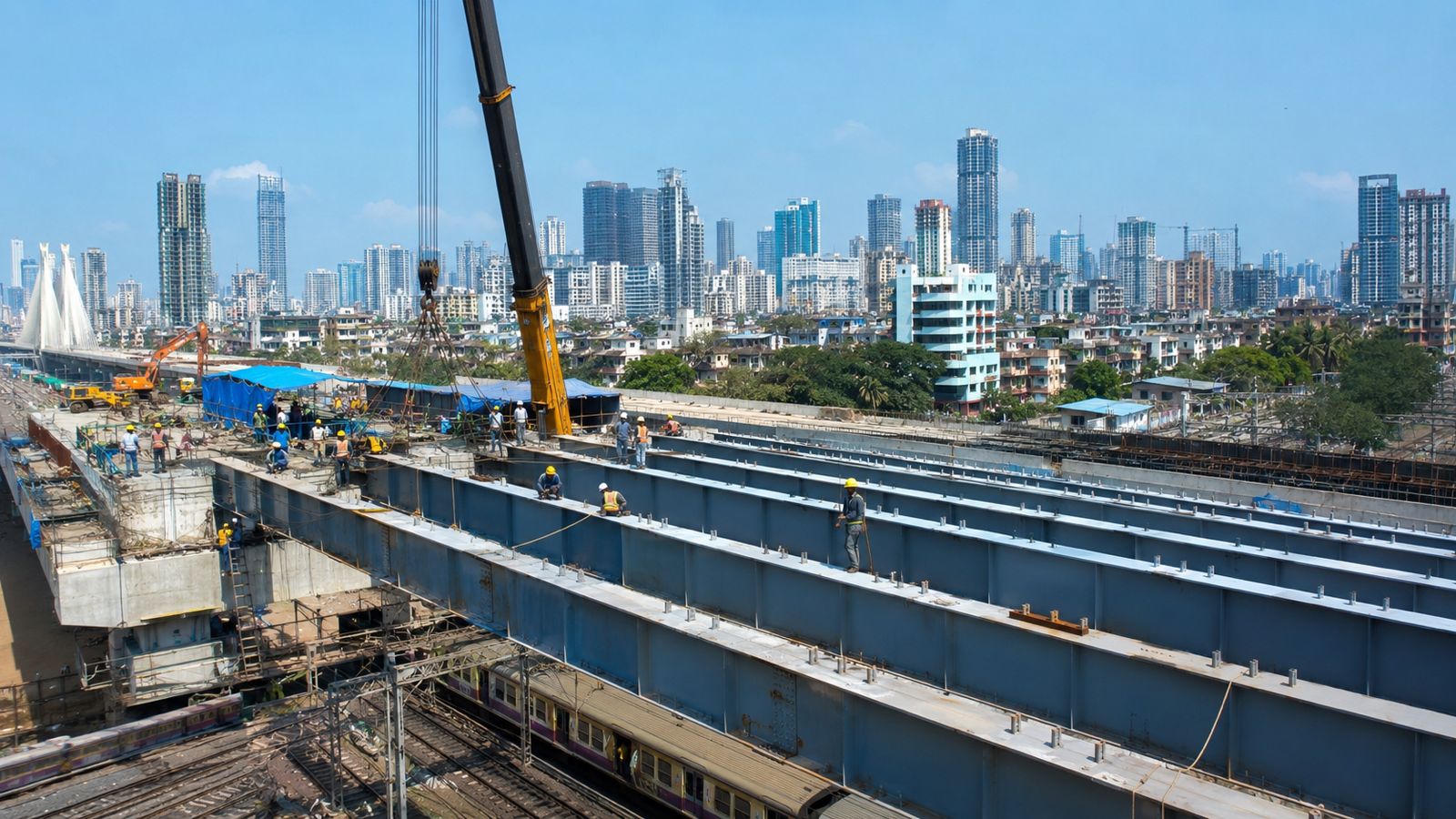
Older residential buildings, housing societies, slum clusters, and underutilised properties across the city present opportunities for urban renewal. Redevelopment allows ageing structures to be replaced with modern housing while making more efficient use of scarce land resources.
This process not only increases housing stock but also improves infrastructure, safety standards, and overall quality of life for residents.
The Complexities Behind Redevelopment Projects
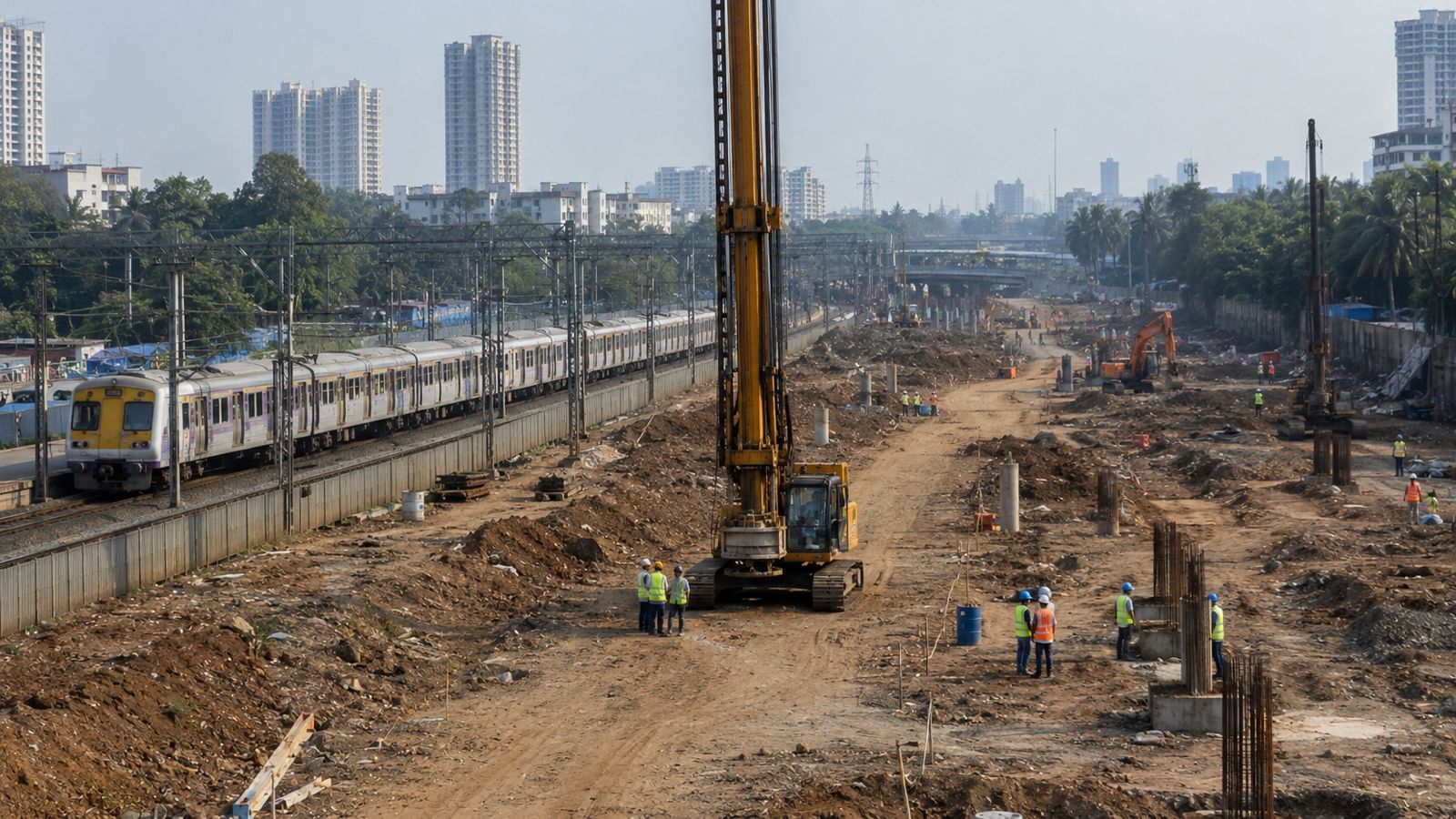
Despite its attractiveness, redevelopment is rarely straightforward. Unlike greenfield developments built on vacant land, redevelopment projects require careful coordination between developers, residents, authorities, consultants, and financial institutions.
Obtaining approvals can be time-consuming due to regulatory requirements and compliance procedures. Developers must also manage rehabilitation commitments and ensure that existing residents are accommodated throughout the redevelopment cycle.
Even minor disputes can significantly affect project timelines, making stakeholder management one of the most critical aspects of successful redevelopment execution.
Resident Participation Is Critical
One of the defining characteristics of redevelopment projects is the need to balance commercial objectives with resident interests. Existing occupants often have deep ties to their communities and naturally seek assurance regarding rehabilitation benefits, timelines, and future living conditions.
Transparent communication and clear agreements play a crucial role in building trust between developers and residents. Projects that successfully address resident concerns are generally better positioned to move forward smoothly.
Conversely, unresolved issues can result in delays, disputes, and legal challenges that impact project viability.
Growing Demand for Modern Housing
Despite the challenges, redevelopment continues to attract developer interest because of the strong demand for modern housing. Homebuyers increasingly prefer projects that offer contemporary amenities, improved layouts, enhanced security, and better infrastructure.
Redeveloped properties often command strong market interest because they combine the advantages of established locations with modern residential standards. Buyers are frequently willing to pay a premium for homes located in well-connected neighbourhoods that have undergone successful renewal.
This demand helps support the long-term economic viability of redevelopment projects across Mumbai.
Government Support Could Accelerate Growth
Industry stakeholders have consistently highlighted the importance of efficient regulatory frameworks in supporting redevelopment. Faster approvals, clearer guidelines, and streamlined administrative processes can significantly improve project viability and reduce delays.
As redevelopment becomes increasingly important to Mumbai's housing future, policy initiatives that improve ease of execution may encourage greater participation from developers and investors.
Efficient governance can help ensure that redevelopment projects move forward while maintaining necessary regulatory oversight and resident protections.
What It Means for Mumbai's Housing Future
The future of Mumbai's real estate market is closely linked to the success of redevelopment. Given the city's land constraints, large-scale urban renewal is likely to remain the primary mechanism for creating housing supply and modernising ageing neighbourhoods.
Successful redevelopment can improve living standards, increase housing availability, upgrade infrastructure, and support broader economic growth. However, achieving these outcomes requires careful planning, effective stakeholder engagement, and efficient execution.
As redevelopment activity continues to expand, it will play an increasingly important role in shaping Mumbai's urban landscape for decades to come.
Expert View
"Redevelopment is both an opportunity and a responsibility. The opportunity lies in creating modern housing and improving urban infrastructure, while the responsibility lies in ensuring that existing residents are treated fairly throughout the process. Projects that balance these objectives effectively are the ones most likely to succeed in Mumbai's complex real estate environment." — Sandeep Sadh