Navi Mumbai Airport Spurs Growth Across Key Real Estate Hotspots
Navi Mumbai Airport Spurs Growth Across Key Real Estate Hotspots
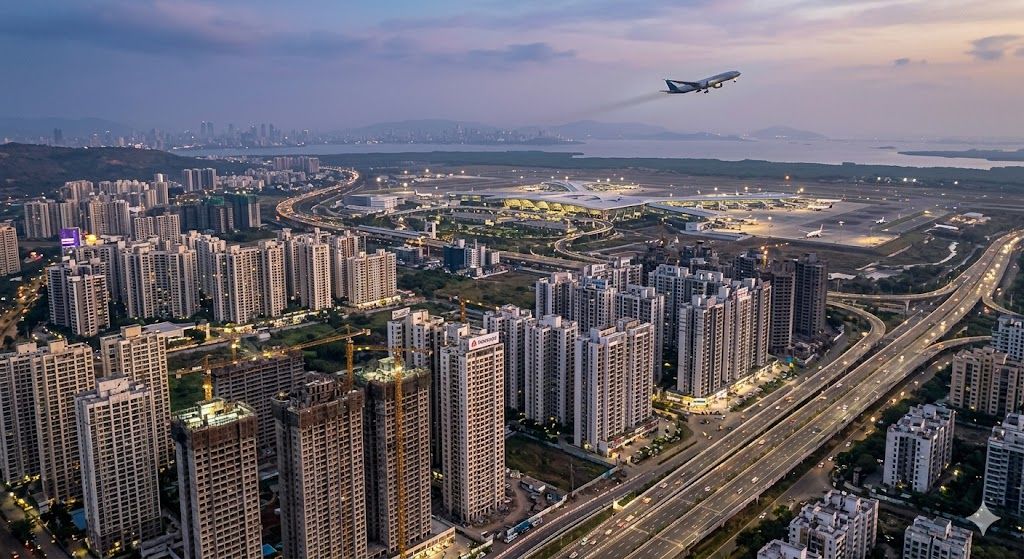
The opening of the Navi Mumbai Airport is emerging as one of the most significant catalysts for real estate growth in the Mumbai Metropolitan Region (MMR). The landmark infrastructure project is expected to transform development patterns across Navi Mumbai, creating new opportunities for residential, commercial, and industrial expansion.
Infrastructure projects of this scale typically have a far-reaching impact on property markets, influencing buyer preferences, investment decisions, and urban development trends. The airport is expected to improve regional connectivity, attract businesses, generate employment, and support the development of new residential communities.
As a result, several locations surrounding the airport are witnessing heightened attention from homebuyers, developers, and investors seeking to benefit from future growth.
Why Airports Influence Real Estate Markets
Major airports often become economic growth engines for the regions around them. Improved connectivity attracts businesses, logistics operators, hospitality ventures, commercial establishments, and supporting industries that require easy access to national and international transportation networks.
The resulting economic activity typically creates employment opportunities, increases demand for housing, and stimulates infrastructure development. Areas located near airports often benefit from better roads, public transport improvements, and increased private investment.
Historically, large transportation projects have played a significant role in shaping property values and development patterns across major metropolitan regions.
Emerging Hotspots Around Navi Mumbai Airport
Several locations around the airport have emerged as key growth corridors due to their proximity to the new infrastructure and improving connectivity.
Areas such as Ulwe, Dronagiri, and Panvel have attracted considerable attention because they offer development potential, accessibility, and opportunities for future appreciation. These locations are increasingly being viewed as strategic residential and investment destinations within the broader Navi Mumbai market.
As infrastructure connectivity continues to improve, demand for properties in these micro-markets is expected to remain strong.
Infrastructure Is Supporting Growth
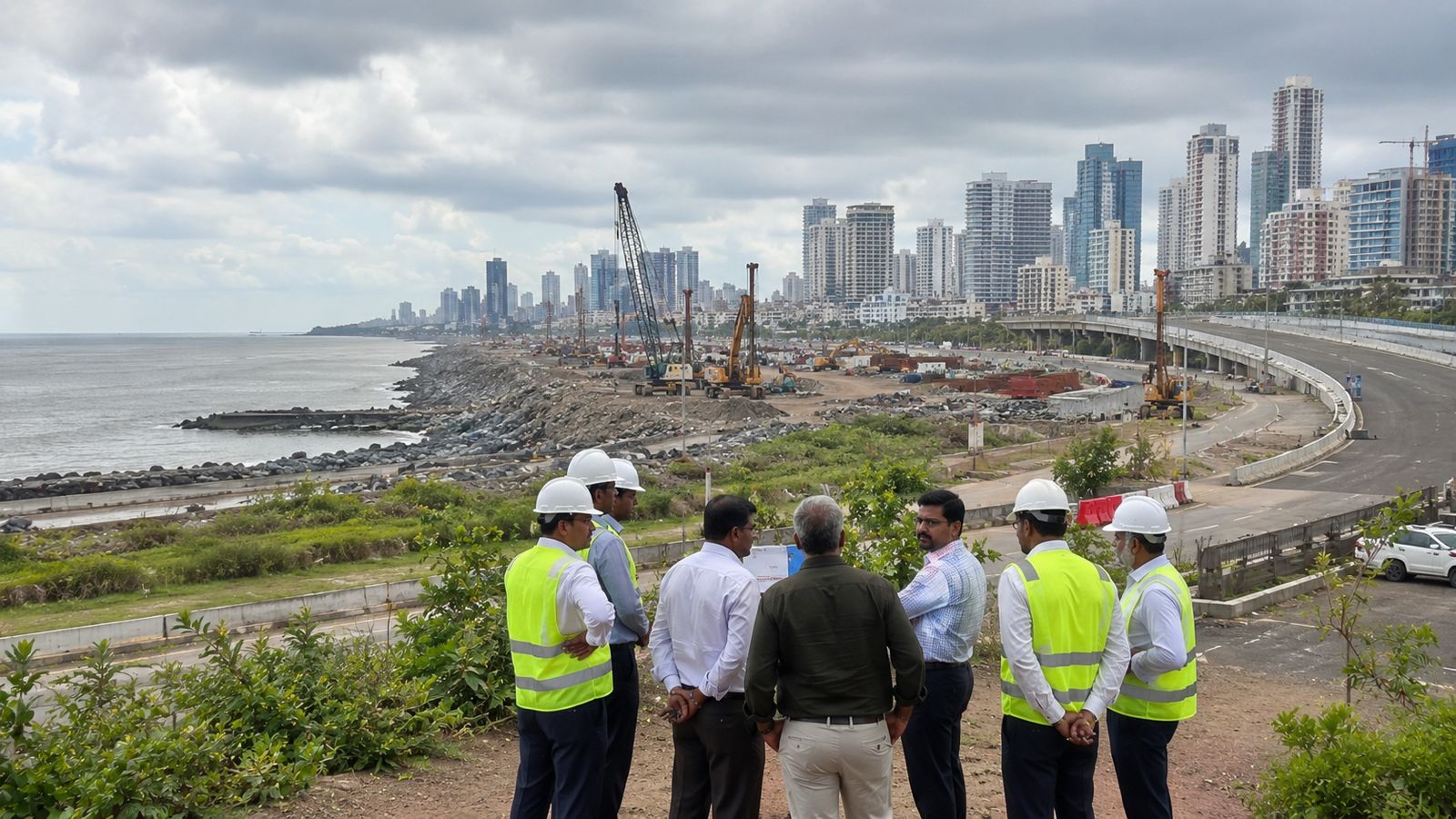
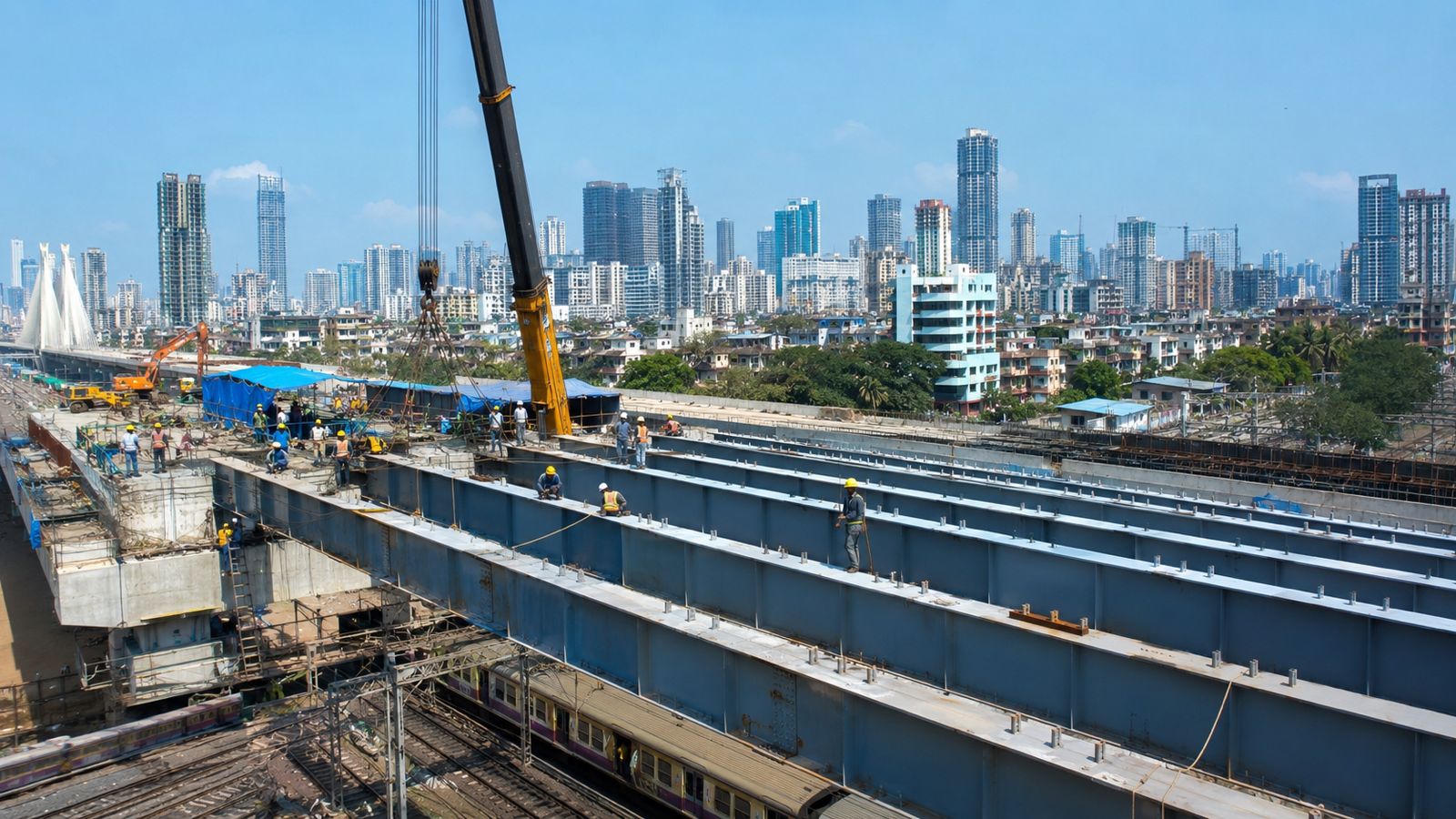
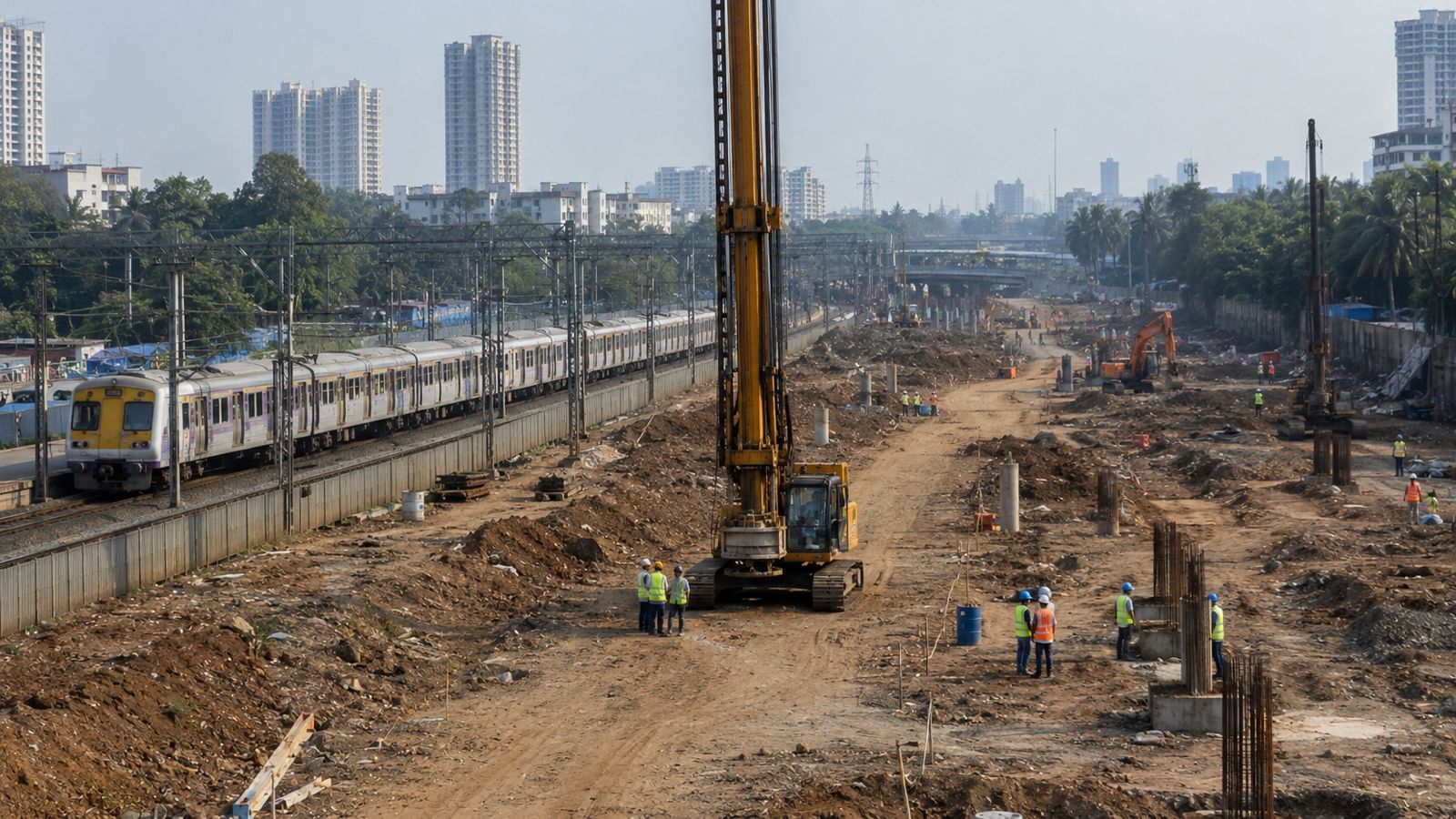
The airport is only one component of a much larger infrastructure transformation taking place across Navi Mumbai. Road upgrades, transportation improvements, urban development projects, and connectivity enhancements are helping improve accessibility throughout the region.
Infrastructure investment often acts as a multiplier for real estate growth by reducing travel times and making emerging locations more attractive to both residents and businesses. Improved mobility also expands employment opportunities and encourages more balanced regional development.
The combination of airport connectivity and supporting infrastructure is expected to strengthen the long-term appeal of Navi Mumbai as a residential and commercial destination.
Impact on Residential Demand
One of the most immediate effects of major infrastructure projects is increased residential demand. Homebuyers are often drawn to locations where future infrastructure improvements are expected to enhance quality of life and improve accessibility.
The airport's presence is likely to support demand from both end-users and investors who anticipate long-term economic growth in the region. Residential projects located near major infrastructure assets often benefit from stronger buyer interest and improved market visibility.
As employment opportunities expand and connectivity improves, demand for housing across Navi Mumbai is expected to continue growing.
Commercial and Economic Opportunities
Beyond residential development, the airport is expected to support significant commercial growth. Airports typically attract offices, logistics hubs, hotels, retail facilities, warehousing operations, and business parks.
These sectors create employment and contribute to the development of a more diversified local economy. The resulting business activity can further strengthen demand for housing and support broader real estate growth across the surrounding region.
For Navi Mumbai, the airport represents not only a transportation asset but also a long-term economic development catalyst.
What It Means for Investors and Homebuyers
The ongoing transformation of Navi Mumbai presents opportunities for both homebuyers and investors. Improved infrastructure, expanding employment centres, and stronger connectivity are creating favourable conditions for long-term growth.
However, buyers should continue to evaluate projects based on location, developer credibility, infrastructure readiness, and long-term livability rather than relying solely on infrastructure announcements. Sustainable appreciation is typically driven by a combination of connectivity, quality development, and economic growth.
For those seeking exposure to one of the fastest-growing regions within MMR, Navi Mumbai continues to attract attention as a major future growth corridor.
Expert View
"The Navi Mumbai Airport is far more than an aviation project—it is a long-term economic catalyst for the entire region. Airports have historically driven residential, commercial, and industrial growth, and Navi Mumbai is well positioned to benefit from this transformation. Combined with ongoing infrastructure investment, the airport is likely to play a central role in shaping the region's real estate story over the coming decades." — Sandeep Sadh