BMC to Map Sea-Level Risk Across Mumbai's 149-km Coastline
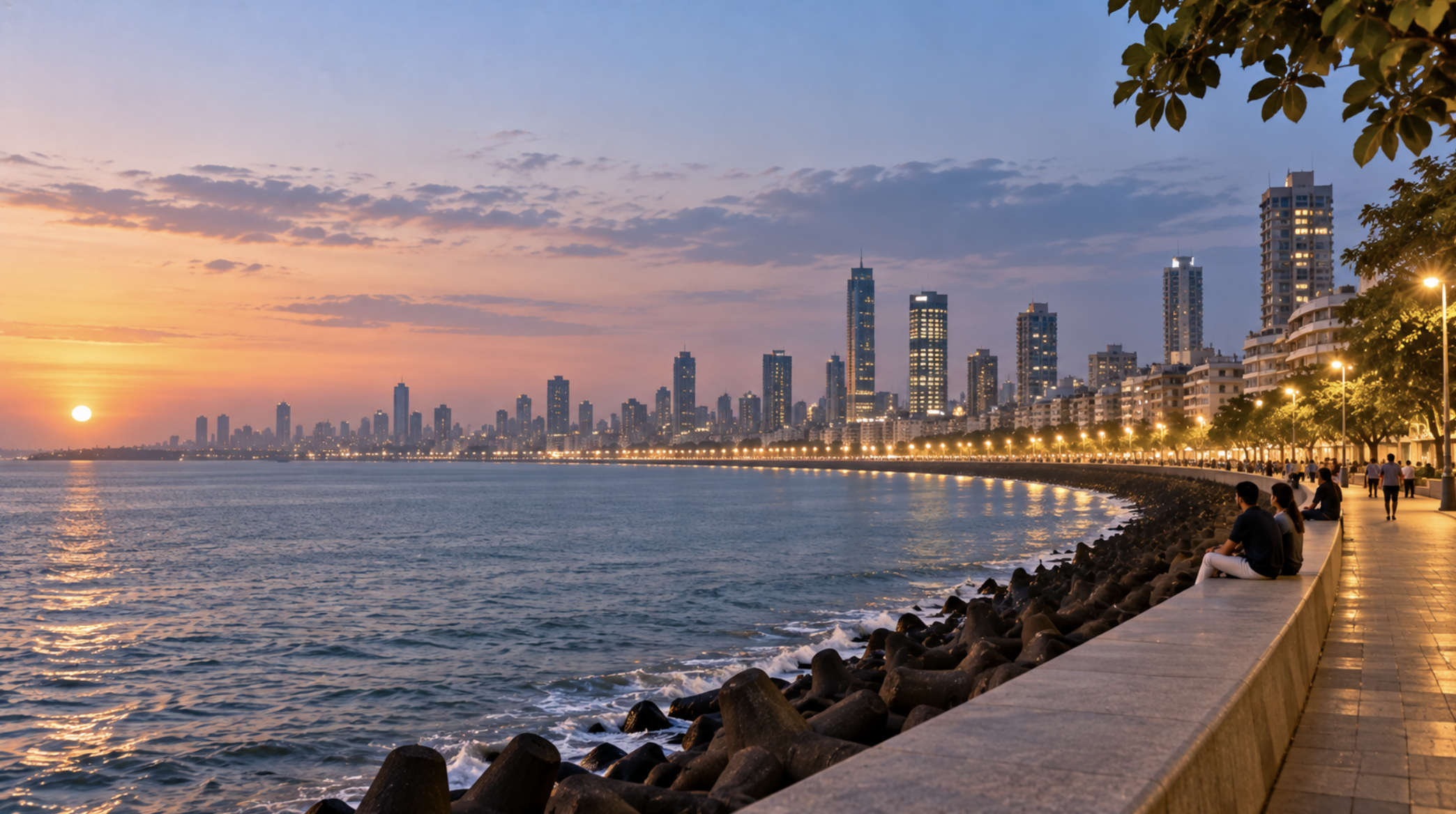
Which Parts of Mumbai Face Greater Coastal Risk?
BMC has begun a fresh assessment to determine how rising sea levels could affect Mumbai and the people living along its coastline.
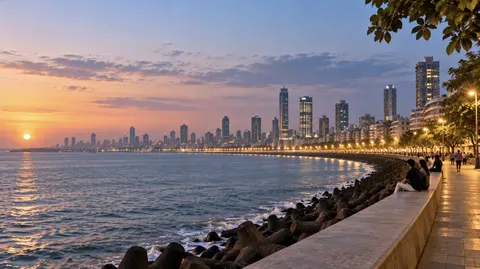
The study will map vulnerable stretches across the city's 149-km shoreline and identify inhabited locations potentially exposed to future coastal risks.
It is Mumbai's second such exercise in five years, with the updated report expected in 2027.
Why Is Mumbai Being Reassessed?
Mumbai's physical landscape has changed considerably since the previous assessment.
The western coastline has undergone major transformation following construction of the Coastal Road, involving more than 100 hectares of reclamation from the Arabian Sea.
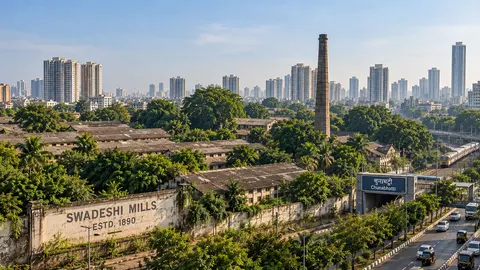
On the eastern side, salt-pan lands have been identified for development, while other parts of the city have also experienced changing land-use patterns.
BMC therefore wants the latest assessment to account for Mumbai as it exists today rather than relying entirely on earlier risk models.
Sea-Level Rise Is a Long-Term Property Concern
A recent UN report has increased attention on Mumbai's vulnerability.
Global sea levels recorded a 5.9 mm rise in 2024, while projections suggest levels could rise at least 0.5 metre by 2100 even if aggressive emissions reductions are achieved.
For Mumbai, sea-level rise is only part of the challenge.
Extreme rainfall, high tides, concretisation and pressure on natural drainage systems can combine to increase the possibility of flooding.
Mangroves and Wetlands Remain Important
Mumbai's earlier Climate Action Plan also recorded changes to the city's mangrove ecosystem.
Between 2008 and 2021, around 325 hectares of dense mangrove cover became sparse or was converted into intertidal mudflats, although mangrove density increased across roughly 305 hectares elsewhere.
Protecting natural flood buffers while simultaneously accommodating infrastructure and real-estate development will therefore remain an important planning challenge.
For property buyers and investors, the BMC study will be worth watching because it could provide a much more detailed picture of Mumbai's long-term coastal vulnerability once published.
Sandeep Sadh’s Take:
For property buyers, climate risk is becoming another factor worth understanding alongside title, construction quality and connectivity. Better neighbourhood-level risk mapping can help Mumbai make more informed development decisions.