Mumbai Housing Demand Surges Despite Global Uncertainty
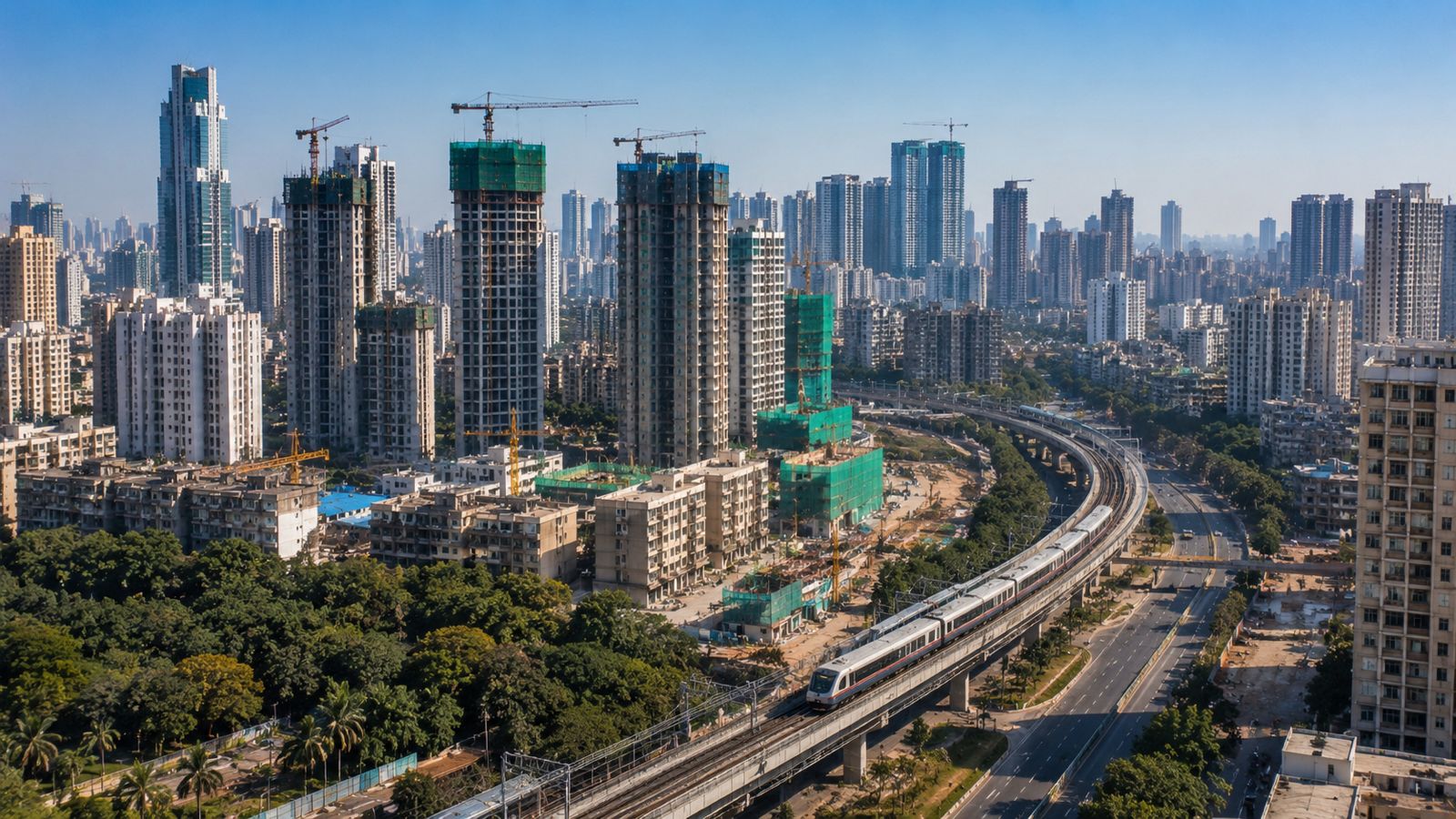
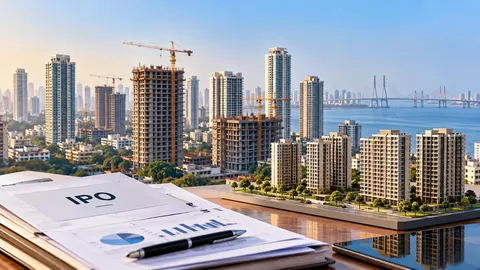
India's residential property market has demonstrated remarkable resilience, with housing sales rising sharply alongside a significant increase in new project launches across the country's top cities. While international markets continue facing economic uncertainty and geopolitical concerns, India's housing sector has remained largely unaffected, supported by strong end-user demand, improving infrastructure and sustained buyer confidence.
For Mumbai, this is more than a positive quarterly statistic. It signals that the city's residential market continues to remain one of the country's most active investment destinations. Strong buyer demand combined with a sharp rise in new launches suggests that developers are becoming increasingly confident about the city's long-term growth prospects.
The Bigger Story Behind the Numbers
The headline is not simply that housing sales have increased.
The real story is that developers are launching significantly more projects because they believe demand will remain strong.
In most real estate cycles, developers only increase supply when they are confident that inventory will be absorbed by the market. Rising launches therefore indicate confidence not only in today's buyers but also in future demand.
For Mumbai, this reflects a market driven primarily by genuine end-users, redevelopment projects, infrastructure-led growth and long-term investors rather than speculative buying.
Why Mumbai Continues to Outperform
Mumbai remains India's financial capital and one of its largest employment centres.
Demand continues to be supported by professionals working in banking, financial services, technology, media, pharmaceuticals, manufacturing and global capability centres.
Simultaneously, large infrastructure investments including Metro expansion, the Mumbai Coastal Road, Mumbai Trans Harbour Link, Navi Mumbai International Airport and numerous redevelopment projects continue improving accessibility across the metropolitan region.
This combination of employment generation and infrastructure development creates sustained housing demand even during periods of global uncertainty.
Which Areas Could Benefit the Most?
The strongest momentum is expected across Mumbai, Navi Mumbai and the wider Mumbai Metropolitan Region.
Established locations such as Bandra, Khar, Santacruz, Andheri East, Powai, Lower Parel, Worli and Chembur are expected to continue attracting premium buyers.
Meanwhile, Navi Mumbai, Panvel, Ulwe, Kharghar, Dronagiri, Thane and emerging suburban corridors may witness accelerated residential growth as infrastructure projects improve connectivity and unlock new housing supply.
Redevelopment-driven locations including Dadar, Matunga, Mahim, Sion and Wadala could also experience stronger demand as new inventory enters the market.
What Does This Mean for Homebuyers?
For buyers, increasing housing supply creates greater choice.
More launches provide opportunities to compare layouts, amenities, pricing and payment plans across multiple projects.
However, sustained demand may also limit the availability of attractive inventory in premium locations. Buyers looking at established neighbourhoods may benefit from entering the market before prices respond to continued demand and infrastructure improvements.
How Are Developers Responding?
The sharp increase in new project launches reflects growing confidence among developers.
Companies with strong redevelopment pipelines and large residential portfolios—including Oberoi Realty, Lodha, Godrej Properties, K Raheja Corp, Hiranandani Group, Prestige Group, Shapoorji Pallonji Real Estate and other major Mumbai developers—could continue expanding as housing demand remains healthy.
Developers are increasingly focusing on integrated townships, mixed-use developments, redevelopment projects and infrastructure-linked residential communities to meet changing buyer preferences.
What Does This Mean for Investors?
Institutional investors and long-term buyers closely monitor housing sales because they indicate overall market health.
Consistent sales growth, rising launches and strong absorption suggest that Mumbai continues attracting both end-users and investment capital.
Neighbourhoods benefiting from Metro connectivity, airport-led development, redevelopment and new commercial hubs may continue generating healthy capital appreciation and rental demand over the coming years.
Challenges That Still Exist
Despite positive market sentiment, affordability remains an important consideration.
Construction costs, financing expenses, regulatory approvals and redevelopment timelines continue influencing project delivery.
Developers will need to carefully balance new supply with actual demand to maintain healthy inventory levels while preserving pricing stability.
What Buyers Should Watch Next
The coming quarters will reveal whether the current momentum translates into sustained absorption across new launches.
Buyers should monitor infrastructure completion, redevelopment approvals and project delivery timelines, as these factors will significantly influence future property values.
Investors should focus on micro-markets where employment growth, connectivity improvements and redevelopment activity are progressing simultaneously, as these locations are likely to generate the strongest long-term returns.
The Long-Term Outlook
The latest housing market performance reinforces one important conclusion: Mumbai's residential market continues to be driven by strong structural fundamentals rather than short-term sentiment.
As infrastructure projects reach completion and redevelopment continues unlocking new housing supply, Mumbai is expected to remain one of India's most resilient and dynamic residential property markets despite global economic uncertainty.
Sandeep Sadh's View
"The real indicator is not just rising home sales—it is the confidence developers are showing by launching more projects. Mumbai's housing market is increasingly being driven by infrastructure, redevelopment and genuine end-user demand. Buyers should focus less on short-term market fluctuations and more on neighbourhoods where connectivity, employment and redevelopment are converging, as these will define the city's next phase of property growth."
Related news
- A Dadar development-rights deal marks a new phase in Mumbai's redevelopment · 26 Jun 2026
- Adani's airport-city plan lifts Mumbai real estate · 25 Jun 2026
- Three mega slum-redevelopments could reshape Mumbai's property market · 25 Jun 2026
- Rising institutional investment could strengthen Mumbai's commercial real estate · 25 Jun 2026
- Salman Khan's Planned Shift From Galaxy Apartments Reflects a Bigger Trend in Mumbai's Luxury Housing Market · 27 Jun 2026
- Under Construction Projects in Great Demand in Mumbai · 27 Sep 2022