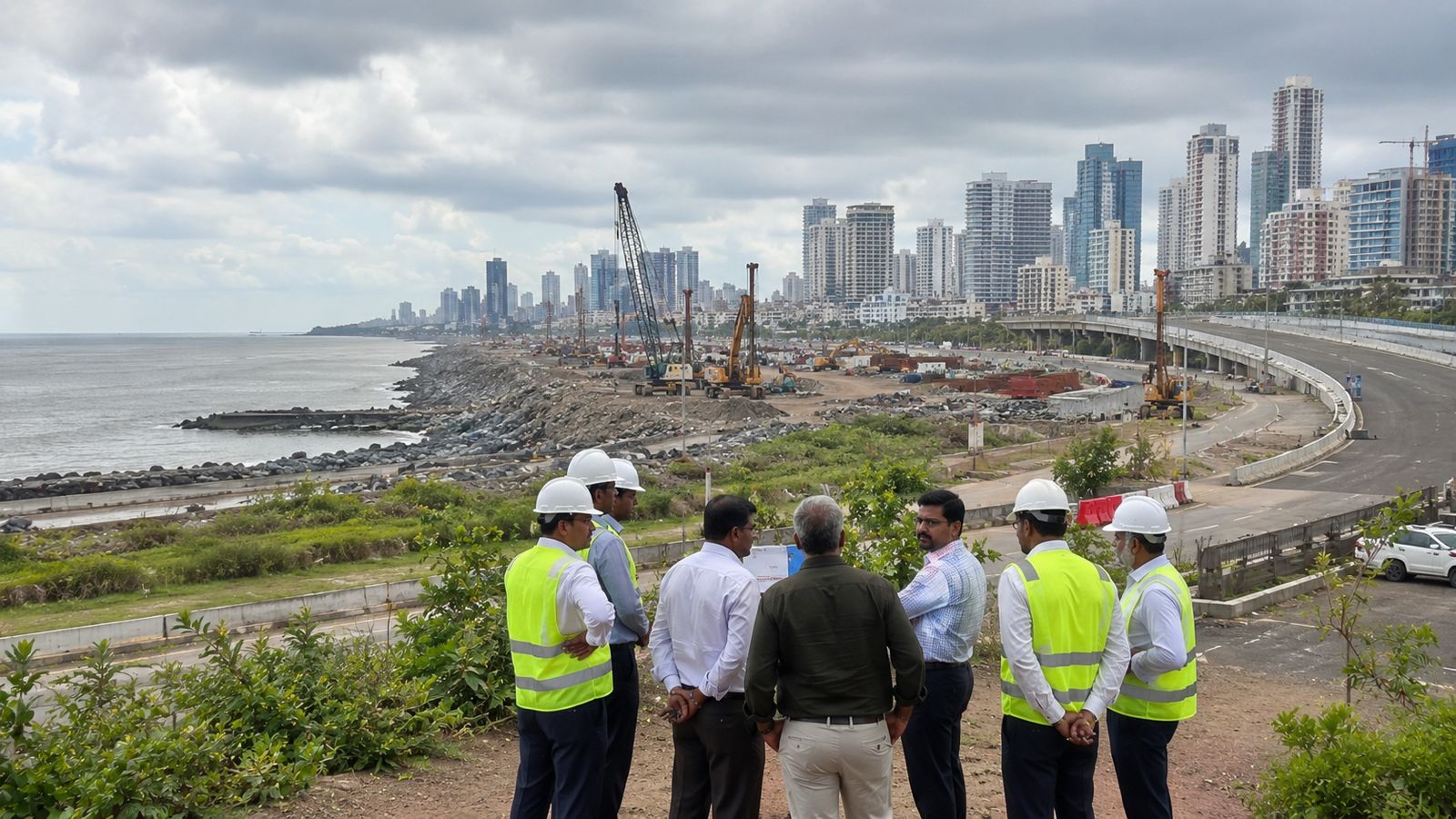
Mumbai Water Cuts Impact Construction Projects
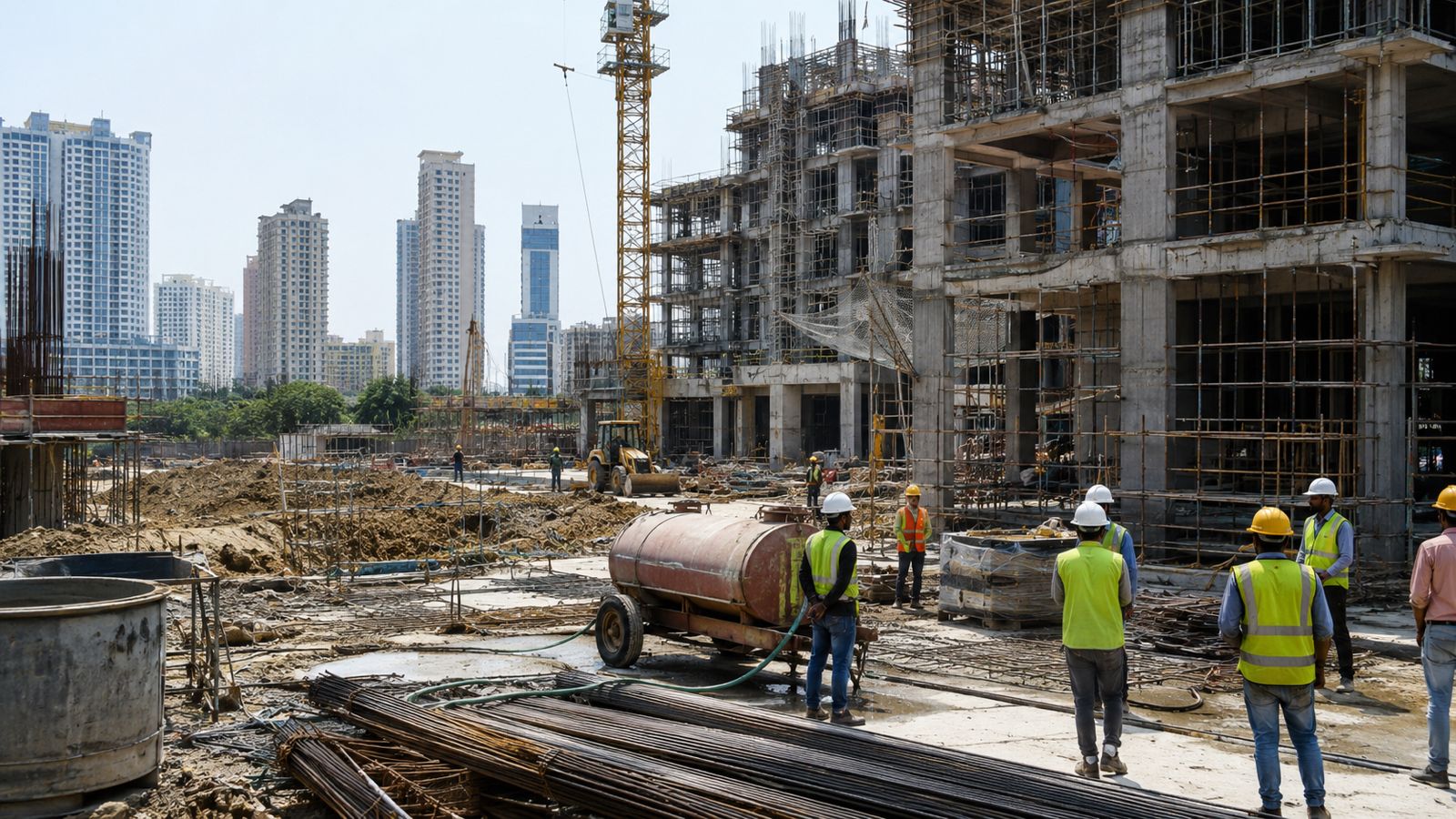
Mumbai’s real estate sector is facing a fresh challenge as water conservation measures introduced by civic authorities begin affecting construction activity across the city. With reservoir levels declining sharply and water availability coming under pressure ahead of the monsoon, authorities have announced stricter controls on non-essential water usage, including the suspension of water supply to new construction sites and swimming pools.
The decision comes amid concerns over falling water reserves in the lakes that supply drinking water to Mumbai. Civic authorities have also imposed additional restrictions on commercial and industrial users as part of a broader effort to preserve available water resources until reservoir levels improve.
Construction Sector Faces Temporary Impact
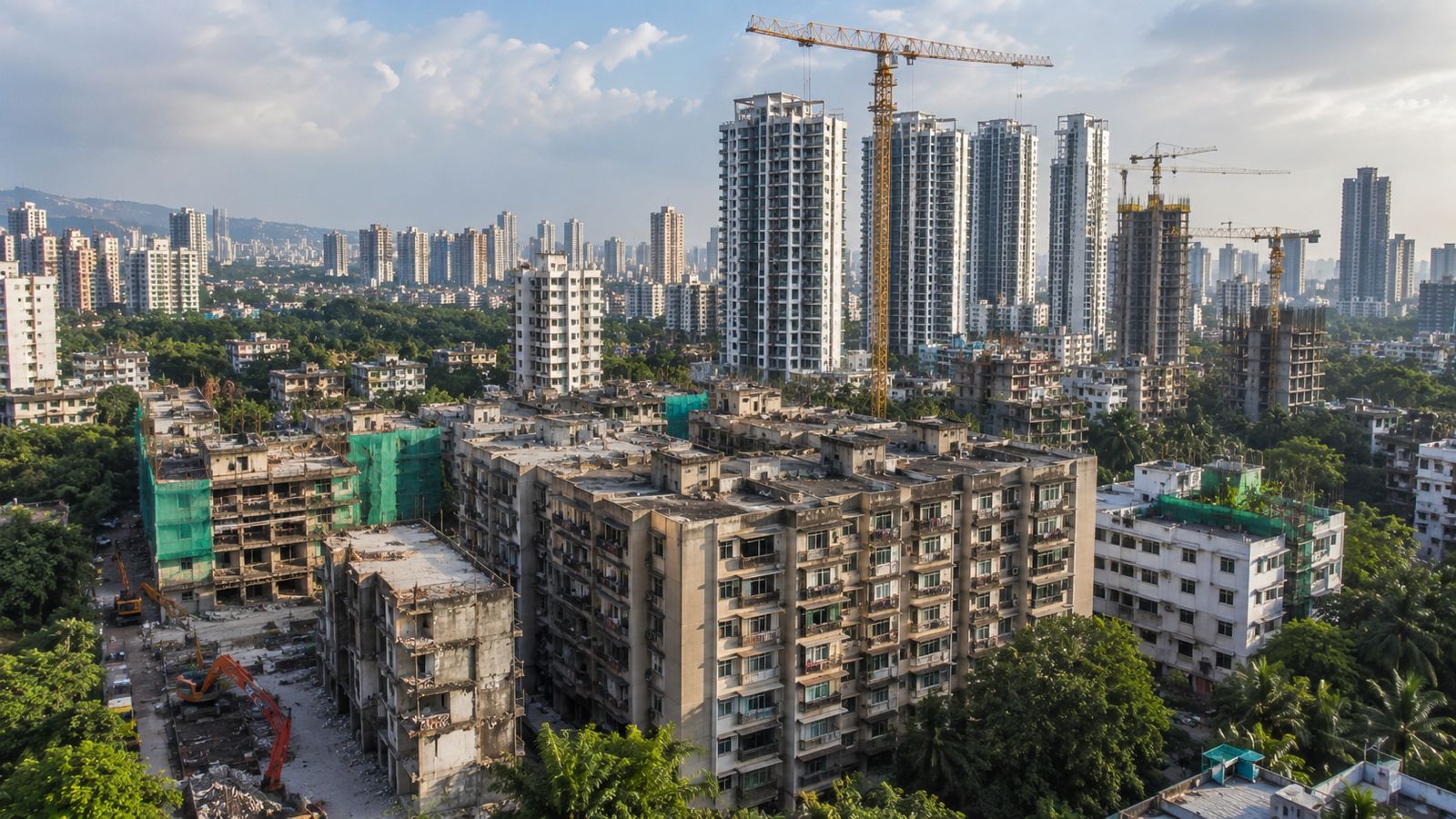
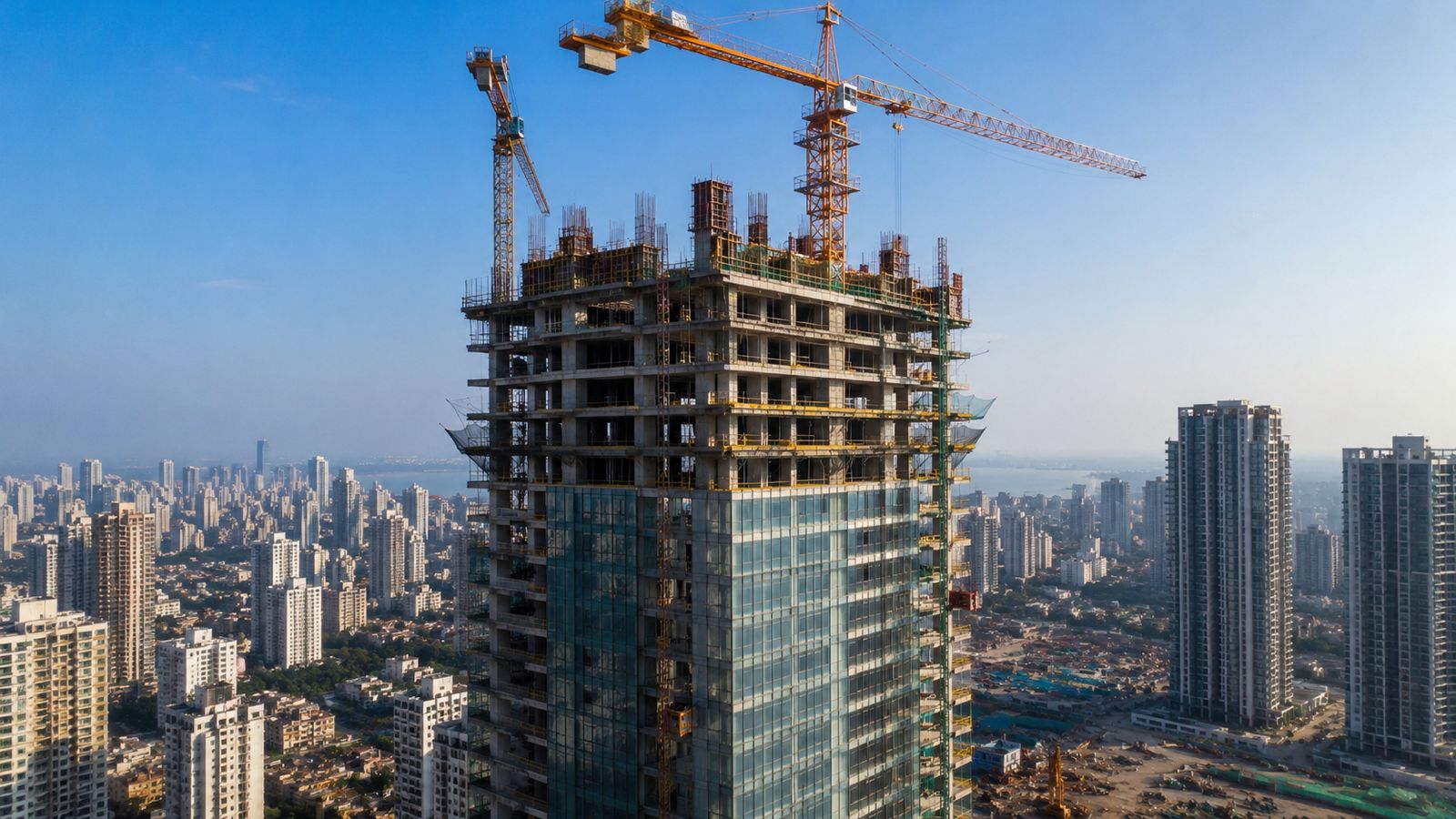
The suspension of water supply to new construction projects is expected to create operational challenges for developers, particularly those in the early stages of project execution. Construction activities such as excavation, concrete curing, site maintenance, and other essential processes require a reliable water supply.
While ongoing projects may explore alternative arrangements, the restrictions could affect construction schedules and increase operational costs in certain cases. Developers may need to rely more heavily on recycled water, water conservation measures, and alternative supply mechanisms to maintain project timelines.
Industry stakeholders are likely to closely monitor the duration of the restrictions, as prolonged limitations could influence construction planning and project execution across multiple residential and commercial developments.
Water Security Becomes a Real Estate Concern
The latest measures highlight the growing importance of water security in urban planning and real estate development. As Mumbai continues to expand, ensuring sustainable access to water remains a critical challenge for both public authorities and private developers.
Large-scale residential projects increasingly incorporate rainwater harvesting systems, water recycling facilities, and efficient consumption technologies. Such features are becoming important not only from an environmental perspective but also as practical solutions to support long-term urban growth.
Developers are expected to place greater emphasis on sustainable infrastructure as climate variability and changing rainfall patterns create new pressures on urban water resources.
Impact on Homebuyers and Residents
For homebuyers, the restrictions serve as a reminder that infrastructure readiness plays a vital role in determining the long-term attractiveness of a residential location. Access to reliable utilities, including water supply, is becoming an increasingly important factor in purchasing decisions.
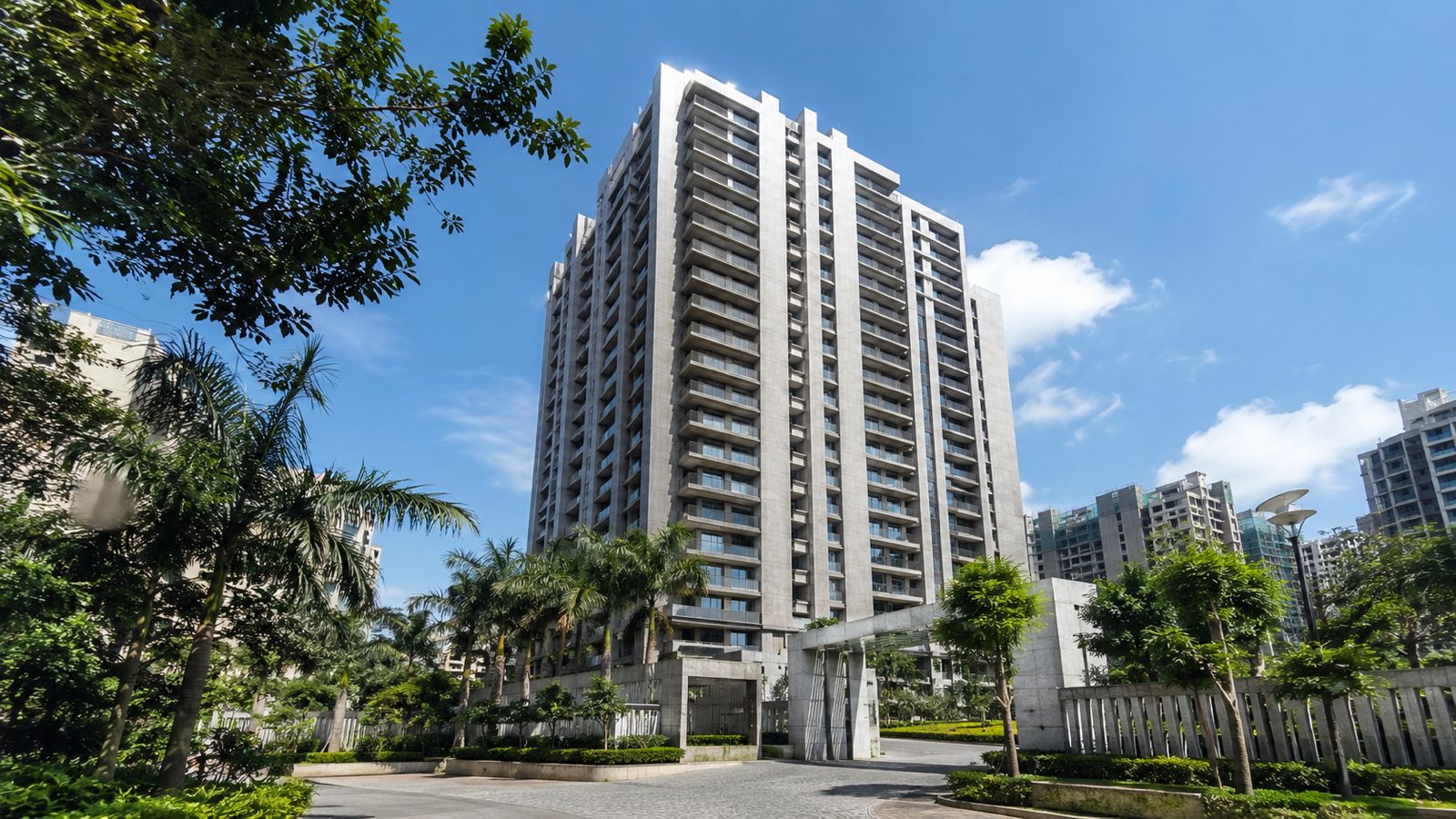
Many modern residential communities have already invested in water management systems that reduce dependence on external sources. Projects equipped with recycling plants, storage facilities, and efficient water distribution networks may be better positioned to manage periods of supply stress.
Residents are also expected to adopt more responsible consumption practices as authorities continue efforts to conserve available resources.
Infrastructure and Sustainability in Focus
Mumbai’s rapid urbanisation has significantly increased demand for water over the years. At the same time, fluctuating rainfall patterns and rising consumption levels have placed additional pressure on the city’s reservoir system.
The current restrictions may accelerate discussions around long-term infrastructure investments, including reservoir expansion, desalination projects, wastewater recycling, and improved water management systems. Such initiatives are increasingly viewed as essential for supporting future growth while maintaining quality of life for residents.
For the real estate sector, the situation reinforces the importance of sustainability-focused development strategies. Projects that integrate resource-efficient design and resilient infrastructure are likely to gain greater attention from buyers, investors, and regulators alike.
As Mumbai navigates the current water shortage, the real estate industry will be watching closely to assess how conservation measures influence construction activity, project timelines, and future development planning across the metropolitan region.
Expert View by Sandeep Sadh
Water availability is becoming an increasingly important factor in real estate development across major cities. Developers can no longer focus solely on location and design; infrastructure resilience is now equally critical.
For homebuyers, projects with strong water management systems offer greater long-term security and operational efficiency. These features are gradually becoming an important differentiator in the market.
Investors should pay attention to how developers address sustainability and resource management. Projects with future-ready infrastructure are likely to remain more resilient during periods of environmental stress.
The current situation is a reminder that sustainable urban growth requires long-term planning, efficient resource management, and continued investment in infrastructure.
— Sandeep Sadh