
Redevelopment gains can't be taxed in the society's hands, rules tribunal
A Mumbai bench of the Income Tax Appellate Tribunal has ruled that gains arising from a co-operative housing society's redevelopment cannot be taxed in the society's own hands. For anyone living in, or buying into, an old Mumbai building, this is not a technical footnote. It goes to the heart of how redevelopment deals are structured across the island city and the wider MMR.
The reasoning follows the settled position that a society acts as a custodian and facilitator for its members, not as a trader dealing in property. Where the society merely enables members to surrender their old flats and receive new ones, along with the usual corpus, rent compensation and shifting allowances, the transaction is a member-level arrangement. The society is a conduit, and the tax incidence, if any, sits with the individual member, not with the collective.
This matters because redevelopment is now the primary supply engine in large parts of Mumbai. Land is scarce, most old buildings sit on plots with unused development potential, and a society that is unsure of its own tax exposure tends to stall at the negotiating table. Ambiguity on this point has delayed several general body approvals and, in some cases, pushed societies into structures that were tax-driven rather than member-friendly.
It is worth being precise about what the ruling does and does not settle. It addresses the society's own liability. It does not exempt the individual member from capital gains or other tax implications on their own transaction, and it does not alter the treatment of a society that genuinely carries on business activity. Societies and their advisors should still read the order in full before applying it to a specific project.
Sandeep's take: This is good, overdue clarity for Mumbai's redevelopment market. In my experience, the biggest delays in a redevelopment project are rarely about the builder's terms; they are about members being unsure of what they will actually keep. A ruling that removes the society-level tax cloud helps committees present a cleaner, more confident proposal to their members, and that in turn speeds up approvals. I would still advise every society to get its own written tax opinion before signing, because no two redevelopment structures are identical.
What to watch next: Whether the tax department accepts this position or appeals it further, and whether more societies now move from stalled negotiations to formal member approvals in the coming quarters.
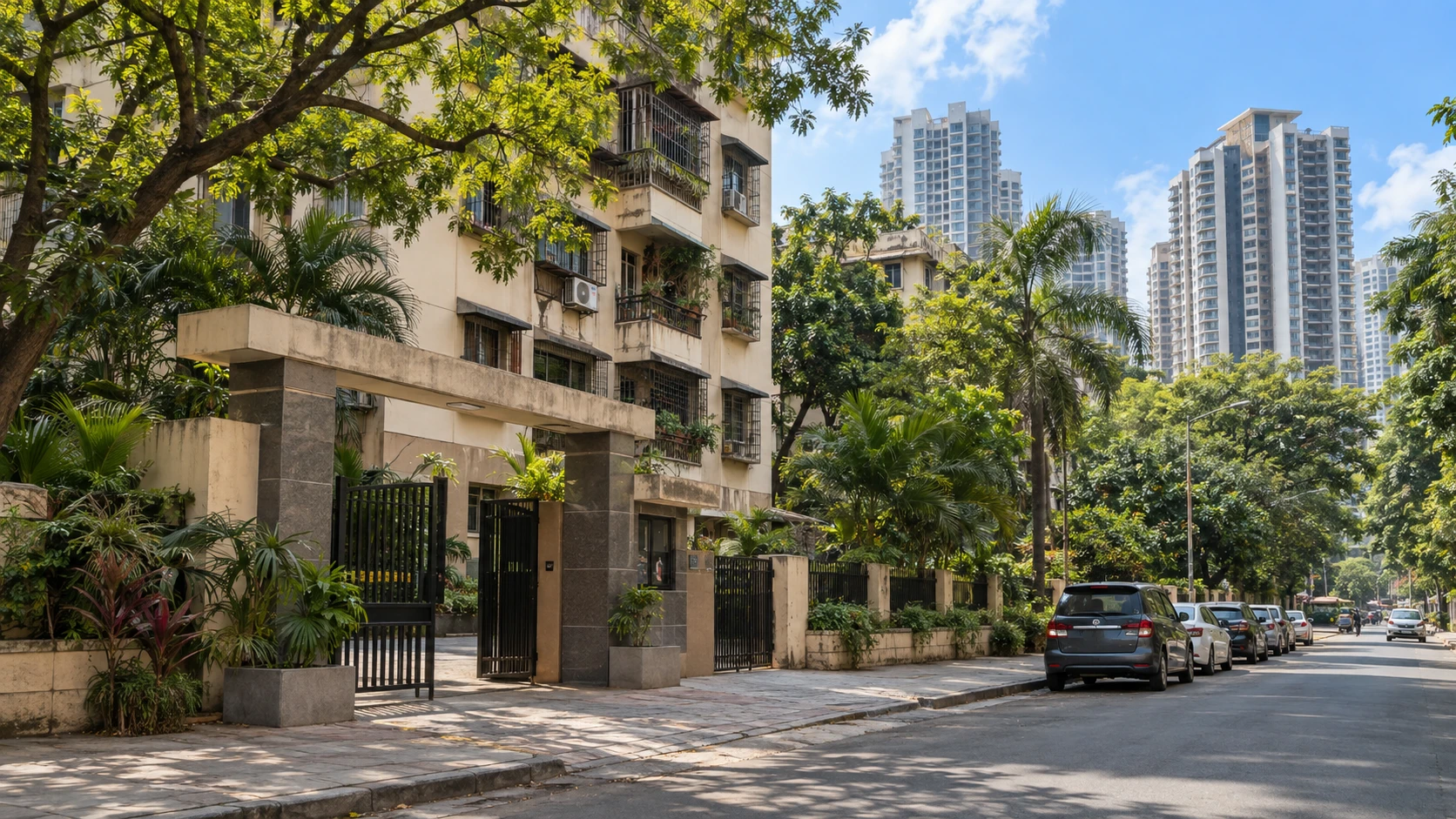
AI-generated representative image inspired by the Mumbai region; not a photograph of the actual property, project or location reported.