Why Developers Are Investing in FSI & TDR Instead of Buying Land
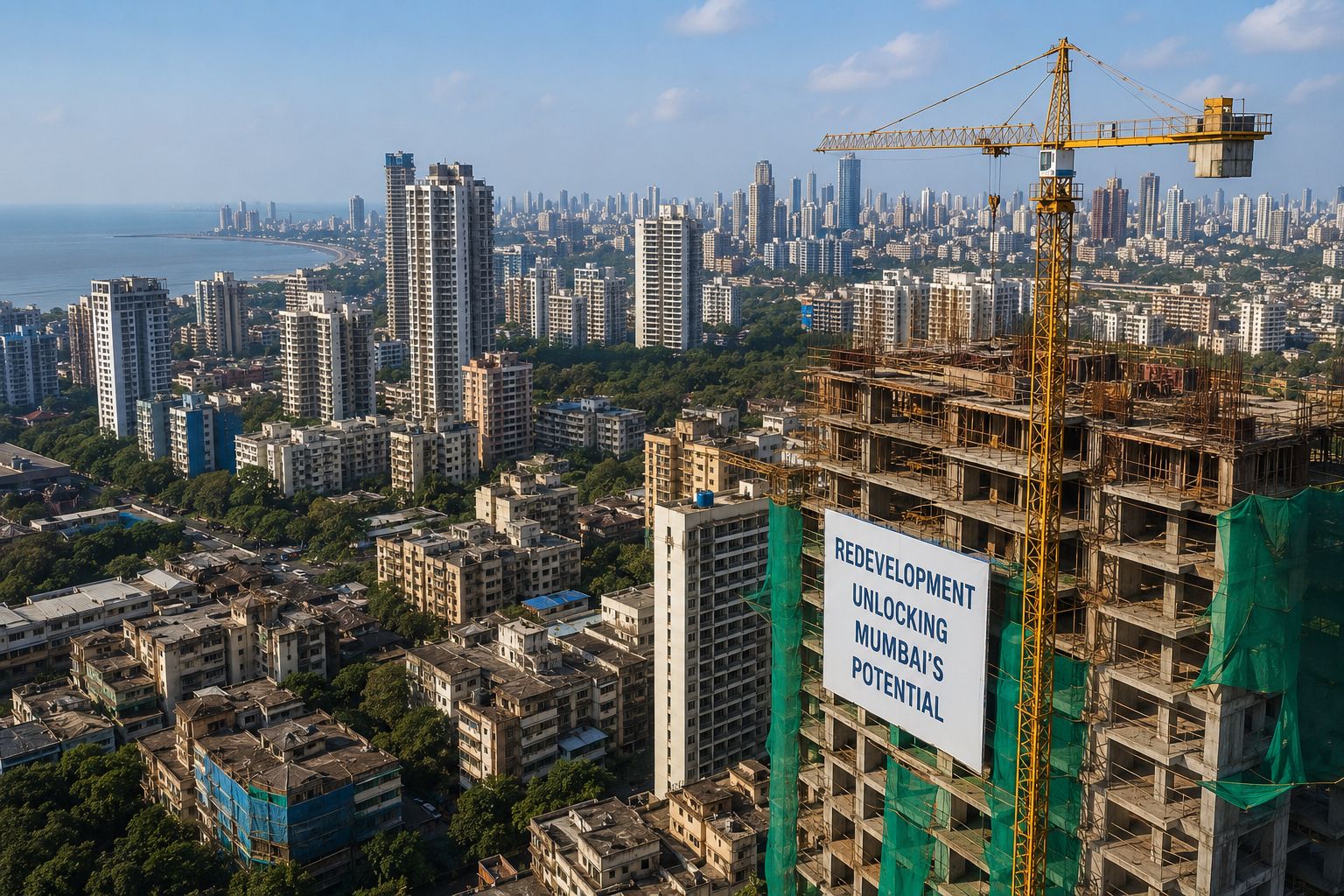
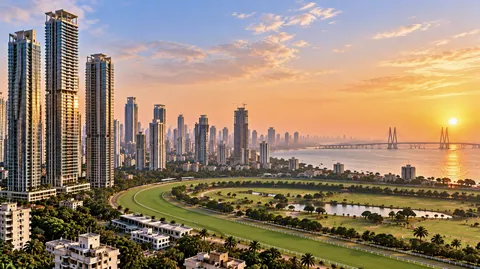
Mumbai is one of the world's most land-constrained cities. Unlike many Indian metros that continue expanding outward, Mumbai has very limited vacant land available for fresh development. Most of the city's future housing supply will come from redevelopment of old cooperative housing societies, ageing residential buildings, commercial redevelopment, industrial land transformation and government land redevelopment.
However, redevelopment comes with one major limitation—every project can only be built up to the permissible development potential. This is where FSI (Floor Space Index) and TDR (Transferable Development Rights) become extremely valuable. By legally purchasing additional development rights, developers can increase the amount of saleable area within approved planning regulations. In many premium locations, acquiring development rights delivers significantly greater value than purchasing another expensive land parcel. Mumbai's real estate economics are gradually shifting from land acquisition to development optimisation.
FSI and TDR Have Become Mumbai's New Real Estate Currency
For decades, developers competed to acquire land. Today, the competition has evolved. The focus is now on maximising the value of existing redevelopment projects.
Every additional square foot created through legally acquired FSI or TDR improves project viability by allowing developers to spread land costs, construction expenses, financing costs, approval expenses and infrastructure investments across a larger saleable area. This improves profitability while creating more homes within the same land parcel.
In premium micro-markets where residential prices remain strong, developers are increasingly willing to invest hundreds of crores into development rights because they unlock substantially higher future revenues. Developers are no longer just buying land. They are buying future development potential.
Why Versova Represents the Future of Mumbai Redevelopment
Versova has quietly become one of Mumbai's strongest residential micro-markets. Excellent Metro connectivity, direct access to the Mumbai Coastal Road, proximity to Andheri West and Lokhandwala, a strong entertainment and media ecosystem, premium social infrastructure and limited availability of fresh land continue to drive demand.
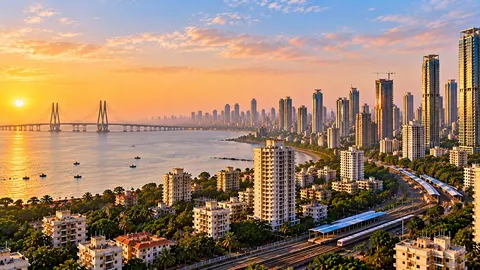
The Mumbai Coastal Road is proving to be a major game changer for western suburbs. At the same time, the expanding Metro network has made commuting easier across Mumbai, further strengthening demand for quality housing in the area. When infrastructure improves but land remains scarce, every additional square foot created through redevelopment becomes increasingly valuable. This explains why developers are investing heavily in acquiring development rights instead of searching for new land that is both expensive and extremely difficult to assemble. The investment is not merely a bet on a single project. It is a vote of confidence in Versova's long-term growth story.
Infrastructure Is Increasing the Value of Redevelopment Projects
Large infrastructure projects have historically transformed Mumbai's property market. The Coastal Road, Metro network, new flyovers and connectivity improvements are already changing buyer preferences. As connectivity improves, redevelopment projects in established neighbourhoods gain additional value through better commuting options, improved lifestyle infrastructure, higher long-term capital appreciation potential and increased demand from homebuyers and tenants. This combination makes redevelopment projects in well-connected locations increasingly attractive for both developers and buyers.
Why Large Developers Have a Competitive Advantage
Redevelopment today is becoming more capital intensive than ever before. Acquiring development rights often requires substantial investment years before apartments are sold. Large listed developers possess strong balance sheets, easier access to institutional funding, better regulatory expertise, superior project execution capabilities and greater credibility with housing societies.
As redevelopment projects become larger and more complex, cooperative housing societies are increasingly selecting developers based not only on financial offers but also on their ability to successfully complete long-term projects. Execution capability is becoming just as important as commercial terms.
What This Means for Housing Societies
The redevelopment landscape is also evolving for cooperative housing societies. Earlier, redevelopment negotiations focused primarily on corpus payments, rent compensation, apartment size and financial bids.
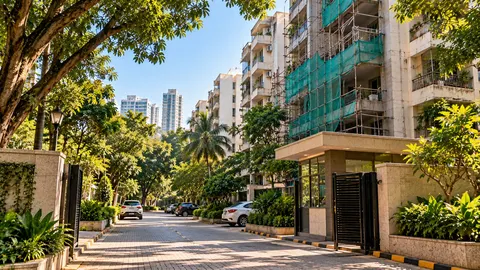
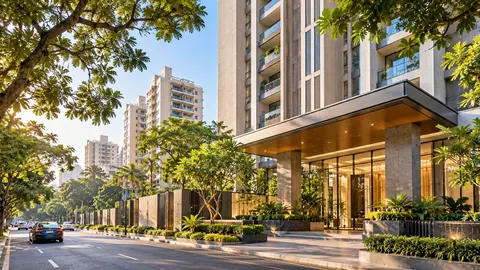
Today, societies increasingly recognise that a developer capable of securing higher FSI and TDR can often deliver a significantly better redevelopment project. Additional development rights may allow developers to provide larger rehabilitation apartments, better amenities, improved layouts, enhanced landscaping, stronger financial security during construction and better long-term project viability. The conversation is gradually shifting from selecting the highest bidder to selecting the strongest redevelopment partner.
What Does This Mean for Homebuyers?
Many assume that increasing FSI automatically reduces property prices. Mumbai's market is far more nuanced.
In premium locations like Versova, demand continues to exceed the supply of quality homes. Additional development rights certainly increase housing inventory, but they do not eliminate the city's fundamental land scarcity. Instead, buyers benefit through more thoughtfully designed homes, modern amenities, better construction quality, improved community infrastructure and greater choice within established neighbourhoods.
While redevelopment may modestly improve supply, pricing in premium micro-markets is likely to remain resilient because the underlying demand continues to outpace available land.
Development Rights Will Shape Mumbai's Next Decade
Mumbai's skyline is unlikely to expand because new land suddenly becomes available. Its future growth will come from making existing land significantly more productive.
Development rights, FSI, TDR and intelligent urban planning will increasingly determine how many homes Mumbai can build, which redevelopment projects become financially viable, which developers dominate the market, how housing societies negotiate redevelopment and where long-term property appreciation is created.
The ₹143 crore acquisition of development rights in Versova is therefore much more than a standalone transaction. It signals a fundamental shift in Mumbai's real estate market—from a land acquisition model to a development optimisation model. In the years ahead, the developers who understand how to unlock the full potential of existing urban land are likely to shape Mumbai's skyline far more than those simply looking to acquire new plots.
Expert View by Sandeep Sadh
“Mumbai's redevelopment market is entering a new phase where value creation is increasingly driven by planning, infrastructure and development rights rather than land acquisition alone. Projects located near transformative infrastructure such as the Mumbai Coastal Road and Metro corridors will command greater strategic importance, as improved connectivity enhances both demand and long-term capital appreciation. For developers, FSI and TDR have become critical tools for unlocking project viability. For housing societies, choosing a redevelopment partner is no longer just about the highest financial offer, but about selecting a developer with the capability to maximise development potential and deliver quality execution. For homebuyers and investors, understanding redevelopment, FSI and development rights will be essential to identifying tomorrow's most valuable real estate opportunities.”
Related news
- Arshad Warsi Sells Andheri West Shop in ₹6.25 Crore Deal · 15 Jul 2026
- Arshad Warsi’s Lokhandwala Shop Sale Closes at ₹6.25 Crore · 15 Jul 2026
- Andheri West Commercial Property Market Review · 23 Nov 2025
- Mahindra Lifespaces ties up with Livingstone Infra for a ₹1,650 crore Mahalaxmi redevelopment · 24 Mar 2025
- Mahindra Lifespaces to redevelop a Lokhandwala project with a ₹950 crore GDV · 09 Feb 2025
- Paradigm Antalya - 101 Downtown Jogeshwari - Andheri West Review · 28 Oct 2022