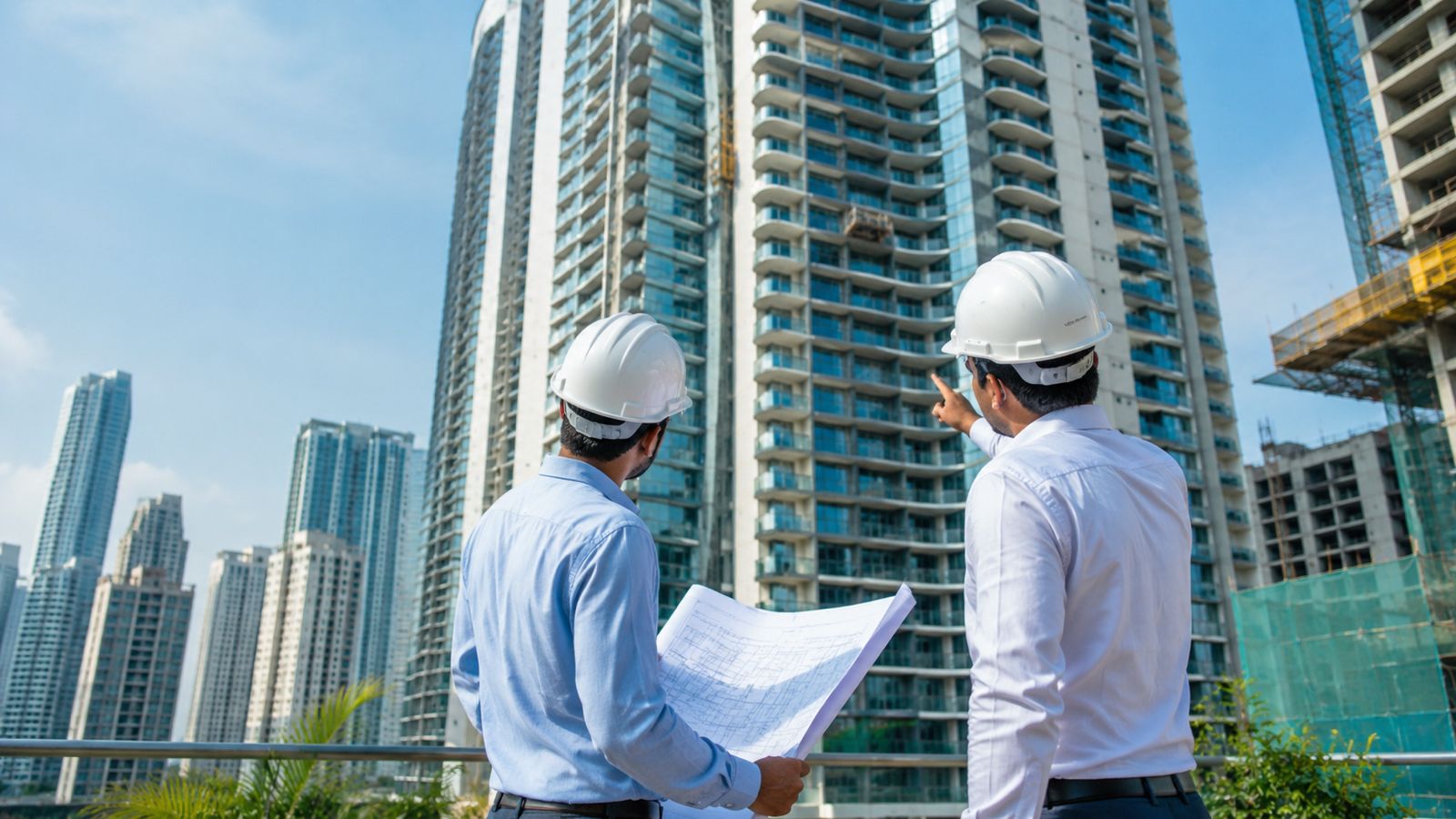
Dharavi Redevelopment Faces Biggest Test Yet
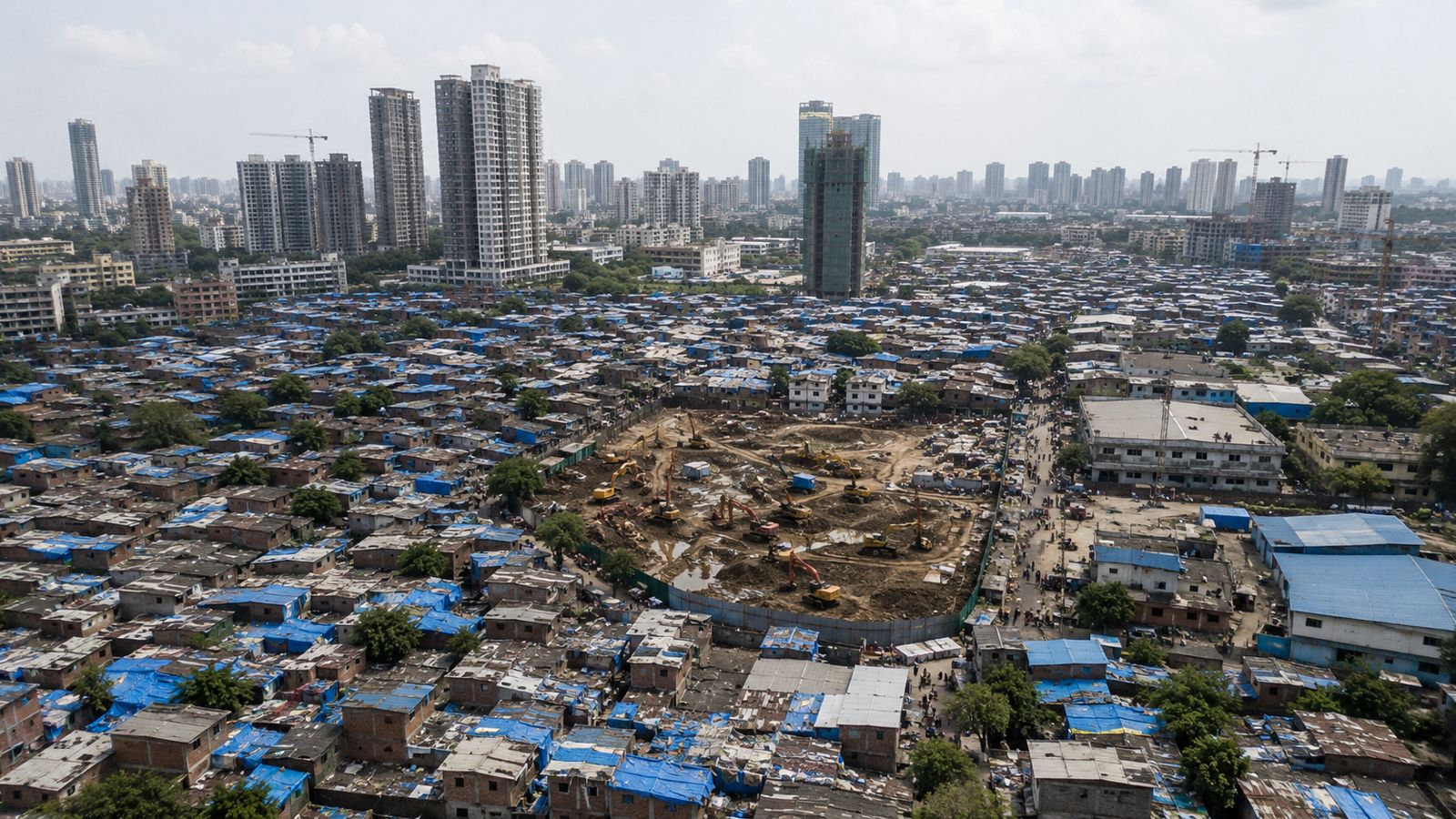
The latest concerns emerging from Dharavi are not simply about rehabilitation.
They are about trust.
At the heart of the discussion lies a fundamental question that could shape the future of redevelopment across Mumbai:
Can India's largest redevelopment project succeed without complete clarity on rehabilitation?
The Dharavi Redevelopment Project has often been discussed in terms of scale, investment, infrastructure upgrades, and development potential. Yet for the thousands of families and businesses operating within Dharavi, the most important issue remains what happens to them once redevelopment begins.
This is why demands for greater clarity and written assurances have become one of the most significant aspects of the project.
Why Rehabilitation Has Become More Important Than Construction
Most redevelopment projects focus on new buildings.
Dharavi is different.
The project is not simply replacing old structures with new towers. It is attempting to transform one of the world's most densely populated urban settlements into a modern mixed-use district.
For residents, however, redevelopment is not measured by construction quality or tower heights.
It is measured by certainty.
Questions regarding housing eligibility, rehabilitation location, apartment size, relocation timelines, and future living conditions directly affect thousands of families.
Without clear answers, uncertainty naturally grows.
In projects of this scale, rehabilitation often becomes more important than the redevelopment itself.
Why Dharavi Is Unlike Any Other Mumbai Redevelopment Project
A typical society redevelopment may involve 50, 100, or 200 families.
Dharavi operates on a completely different scale.
The area functions as a residential, commercial, and industrial ecosystem simultaneously.
Thousands of micro-businesses operate from within Dharavi. Small manufacturing units, leather workshops, recycling businesses, garment producers, food processing units, traders, and service providers form a large informal economy that supports livelihoods across generations.
Many residents live and work within walking distance of each other.
As a result, relocation decisions affect much more than housing.
They affect employment, business continuity, customer networks, education, transportation access, and social infrastructure.
This complexity is what makes Dharavi one of the most challenging redevelopment projects ever attempted in India.
What Happens to Dharavi's Economic Ecosystem?
One of the biggest questions often missing from redevelopment discussions is what happens to the local economy.
Dharavi is not merely a residential settlement.
It is an economic engine.
Thousands of small businesses contribute to manufacturing, recycling, logistics, food production, leather goods, garments, and numerous supporting industries.
If residents and businesses are relocated without sufficient planning, economic disruption could become a major challenge.
The success of the redevelopment will therefore depend not only on housing rehabilitation but also on preserving livelihoods.
This is why many urban planners view Dharavi as both a real estate project and an economic restructuring exercise.
Why Developers Across Mumbai Are Watching Closely
The Dharavi project is not only important for Dharavi.
It could influence redevelopment policy across Mumbai.
The city is expected to witness extensive redevelopment activity over the next decade. Aging housing societies, slum clusters, industrial land parcels, and underutilized urban pockets are likely to become future redevelopment opportunities.
Developers active in redevelopment-focused markets are watching Dharavi carefully because it may establish benchmarks for future rehabilitation frameworks.
If the project creates a successful model for resident rehabilitation, future redevelopment projects could benefit from stronger public confidence and smoother execution.
If challenges emerge, rehabilitation expectations across Mumbai may become significantly more stringent.
What Does This Mean for Mumbai's Real Estate Sector?
The implications extend beyond one project.
Mumbai's future growth increasingly depends on redevelopment rather than greenfield expansion.
Land availability within the city remains limited, making redevelopment one of the most important sources of future housing supply.
The outcome of Dharavi could influence how residents, housing societies, developers, investors, and policymakers approach redevelopment in the future.
It may also affect project timelines, approval processes, financing structures, and community engagement strategies.
In many ways, Dharavi is becoming a blueprint for how large-scale urban transformation projects may be executed across Mumbai.
What Are Investors Watching?
For investors, rehabilitation is not only a social issue.
It is an execution issue.
Large redevelopment projects require certainty.
Any ambiguity around resident relocation, rehabilitation eligibility, or project implementation can influence timelines and execution risk.
Investors generally favour projects where stakeholder alignment is strong and long-term clarity exists.
This is why rehabilitation planning is increasingly viewed as a critical component of project success rather than simply a compliance requirement.
What Happens Next?
The long-term vision for Dharavi remains one of the most transformative urban development opportunities in India.
The project has the potential to create modern housing, upgraded infrastructure, improved public spaces, commercial districts, and significant economic value.
However, the next phase of the conversation is likely to focus less on buildings and more on people.
The ultimate success of the redevelopment will depend on whether residents feel secure about their future within the transformed Dharavi.
Because at its core, this project is not just about constructing a new city.
It is about relocating and rebuilding an existing one.
And that may prove to be the biggest challenge of all.
Expert View by Sandeep Sadh
Dharavi's redevelopment is ultimately a rehabilitation story before it becomes a construction story. The project's success will depend on how effectively resident concerns, livelihoods, and long-term housing security are addressed alongside physical redevelopment.
— Sandeep Sadh