Dharavi rehab homes break ground: what it means for Mumbai
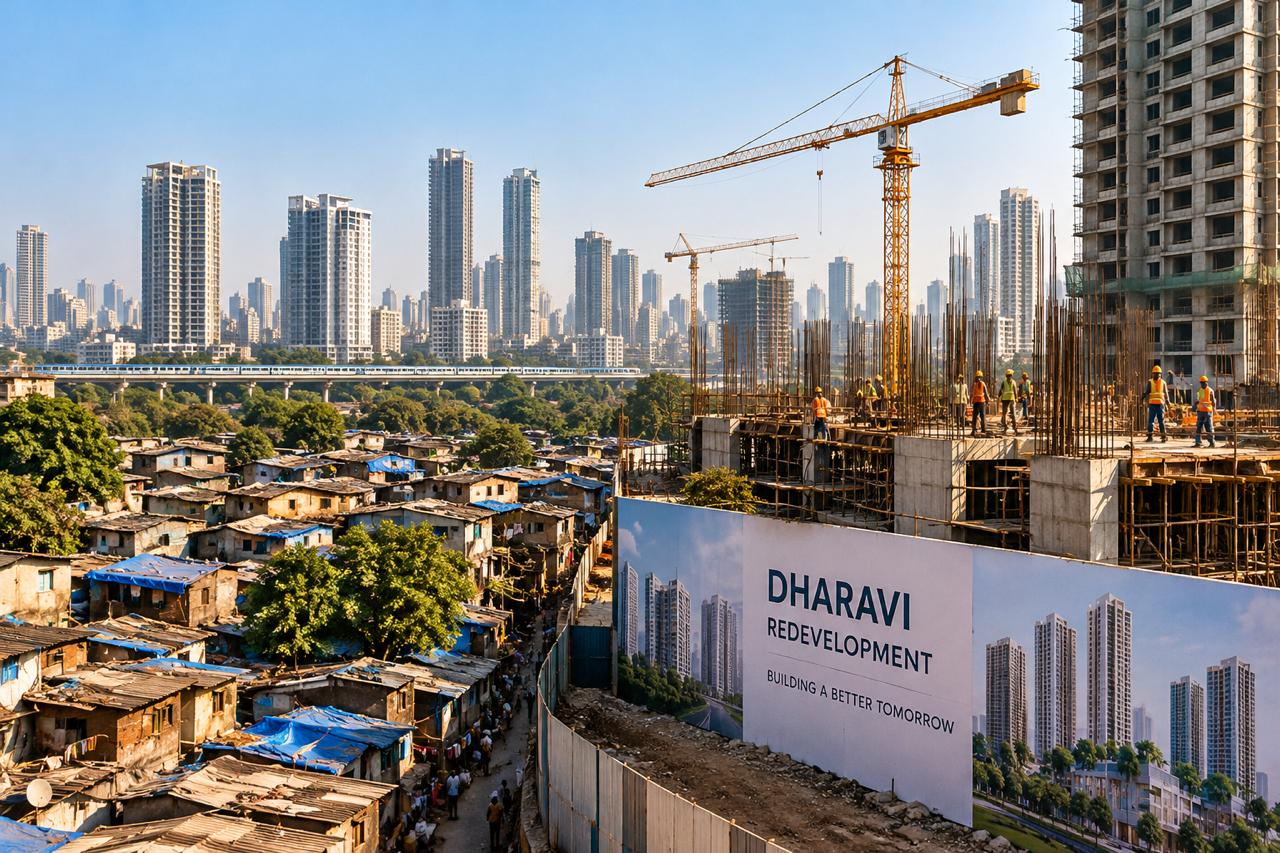
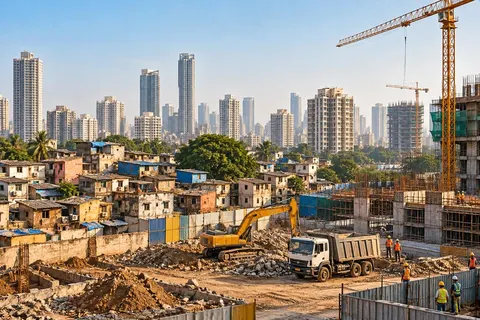
Construction has formally begun on 10,432 rehabilitation homes in Dharavi, marking the first tangible build-out of Mumbai's largest and most closely watched slum redevelopment. For anyone with a stake in Mumbai property, this is not just a social housing headline — it is the opening move in a project that will reshape land supply, construction capacity and buyer sentiment across the central city over the next decade.
The rehabilitation component is the non-negotiable first layer of the Dharavi plan: eligible residents are to be rehoused in new buildings before any commercial or sale component is monetised. That sequencing matters. It means the early years of this project will consume construction capacity, cement, steel and labour without adding a single market-rate apartment to the city's supply. In a market where launches have been outpacing completions, that is a meaningful draw on resources.
Dharavi sits on prime central land between the western and eastern rail corridors, with the Bandra-Kurla Complex and the planned metro and coastal road networks within easy reach. The redevelopment is structured as a mix of free-sale and rehab tenements, with the developer expected to recover costs from the sale component. How that sale inventory is phased and priced will influence the mid-segment and premium market in the surrounding belt — Mahim, Sion, Matunga, Wadala and Bandra East — for years.
For now, the signal is one of execution rather than announcement. Ground has been broken, and the first tranche of homes is a defined, countable number. That is a step change from the decades of paperwork that preceded it. Buyers and investors in the central Mumbai belt should read this as the start of a long, slow addition to both housing stock and commercial floor space — not as an overnight supply shock.
Sandeep's take: I have watched Dharavi redevelopment promises come and go for over two decades, and I have learned to trust only visible construction. The fact that 10,432 rehab homes are now physically underway is the most credible signal yet that this project has moved from file to field. For the surrounding market, the near-term effect is not price disruption but attention: expect renewed interest in the Mahim-Sion-Wadala belt as buyers begin to price in a transformed central Mumbai five to ten years out. My advice to investors is to stay focused on the rehab timeline, because that is the gate through which the sale component must pass.
What to watch next: The pace at which the rehabilitation buildings are completed and handed over, and the first public disclosures on the sale-component phasing and pricing.