Fashion Brands Drive Mumbai Retail Leasing in H1 2026
Fashion and apparel brands accounted for 40% of Mumbai’s retail leasing in the first half of 2026, showing that physical stores remain a central part of how brands reach customers. In a city where online shopping is widely used, this is an important reminder that a store is no longer just a place to sell products. It is also a visibility tool, a customer-experience space and a way to build trust in a crowded market.
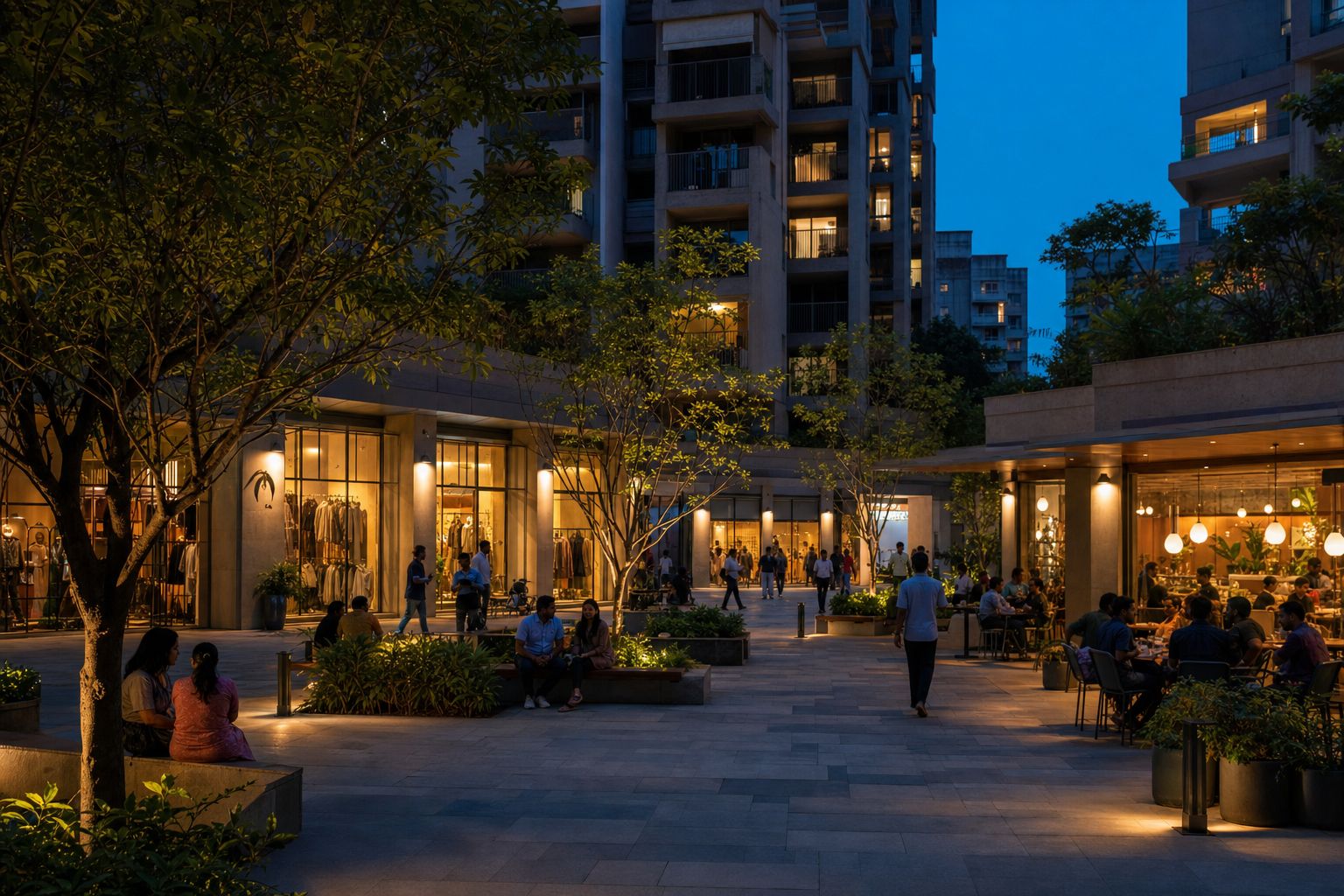
The strongest demand is likely to remain concentrated in locations that combine office workers, residents, visitors and good transport links. A retailer needs more than a shop with a good address; it needs customers who can reach it conveniently and return often. This is why well-connected high streets, malls and mixed-use districts continue to matter.
The shift also has wider implications for Mumbai’s property market. Active retail can support the character of a business district, improve the convenience of nearby residential areas and create more employment around commercial hubs. At the same time, property owners need to understand that retail demand is selective. Store size, visibility, access, operating costs and local competition all determine whether a location can attract the right brand.
For anyone following Mumbai real estate, the key message is that retail growth is becoming more location-specific. The best-performing spaces will be those that offer convenience to consumers and workable economics to businesses.