MahaRERA Delays Affect Rental Plans

A delayed MahaRERA recovery process is not only a legal problem. It can become a rental problem too.
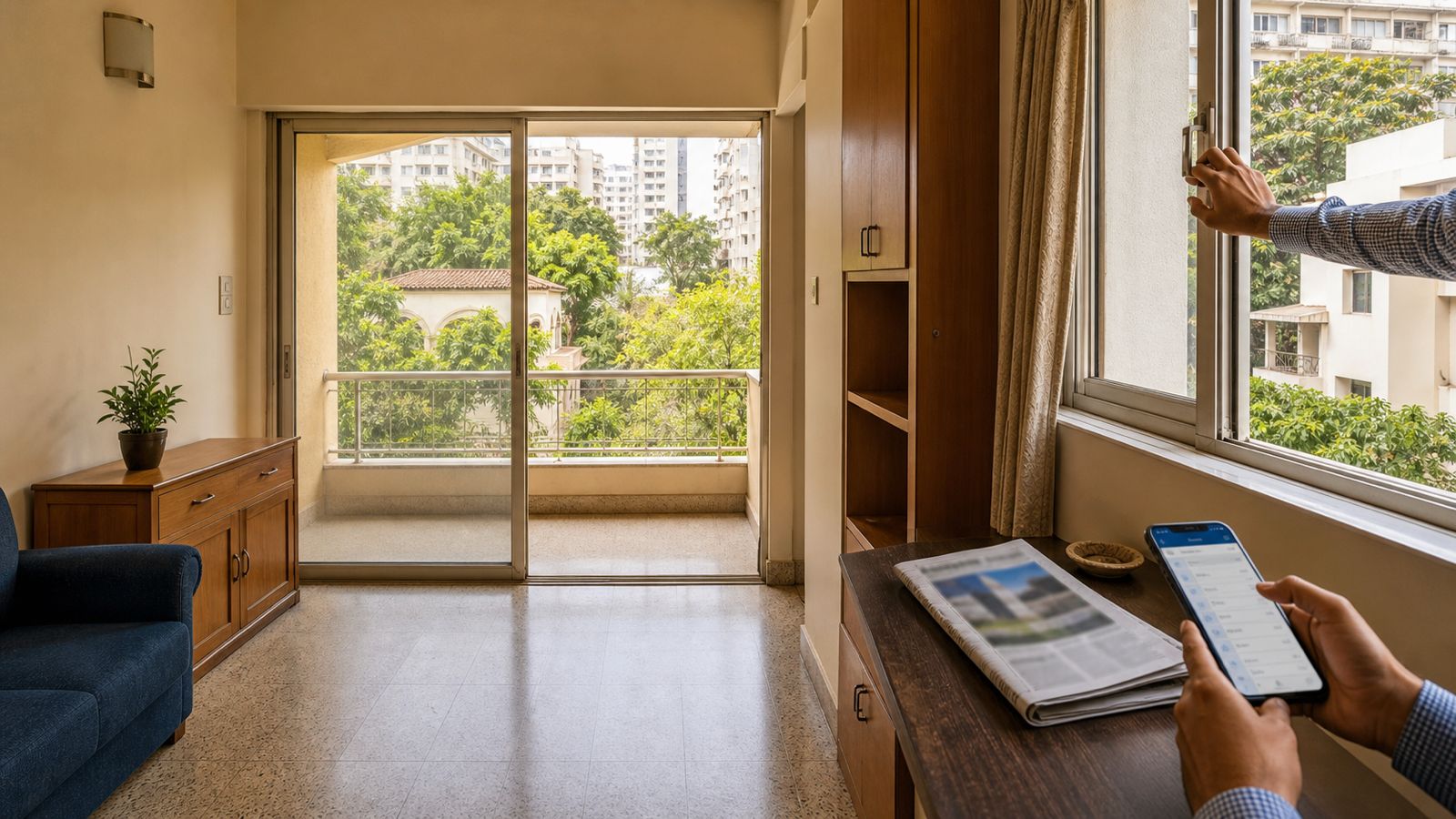
Many homebuyers continue to live in rented homes while waiting for possession, a delayed refund or compensation from a developer. If a refund is not received on time, the buyer may have less money available for a new booking, a loan down payment or the cost of moving. The result can be an extended stay in a rental home, sometimes while managing rent and housing-loan obligations together.
The recovery-warrant dashboard is important because it gives buyers visibility into the enforcement stage. Once a recovery warrant is issued, the matter moves beyond the original MahaRERA order and into the recovery process through the district administration. A stale dashboard can leave a buyer unsure whether to wait, follow up or seek professional advice on the next procedural step.
For tenants planning to become owners, the practical lesson is to keep the rental plan flexible. Do not give notice on a rented home simply because a refund order has been passed or a possession date has been promised. The financial transition should happen only when the money, loan and handover timeline are genuinely clear.
For landlords, transparent renewal options can be helpful for tenants caught between a delayed purchase and an expiring lease. A short extension or a clearly documented notice period can prevent unnecessary disruption for both sides.
Key takeaway: A delayed refund can keep a tenant renting longer than planned. Ownership timelines should be based on actual cash flow, not only on an order or promise.