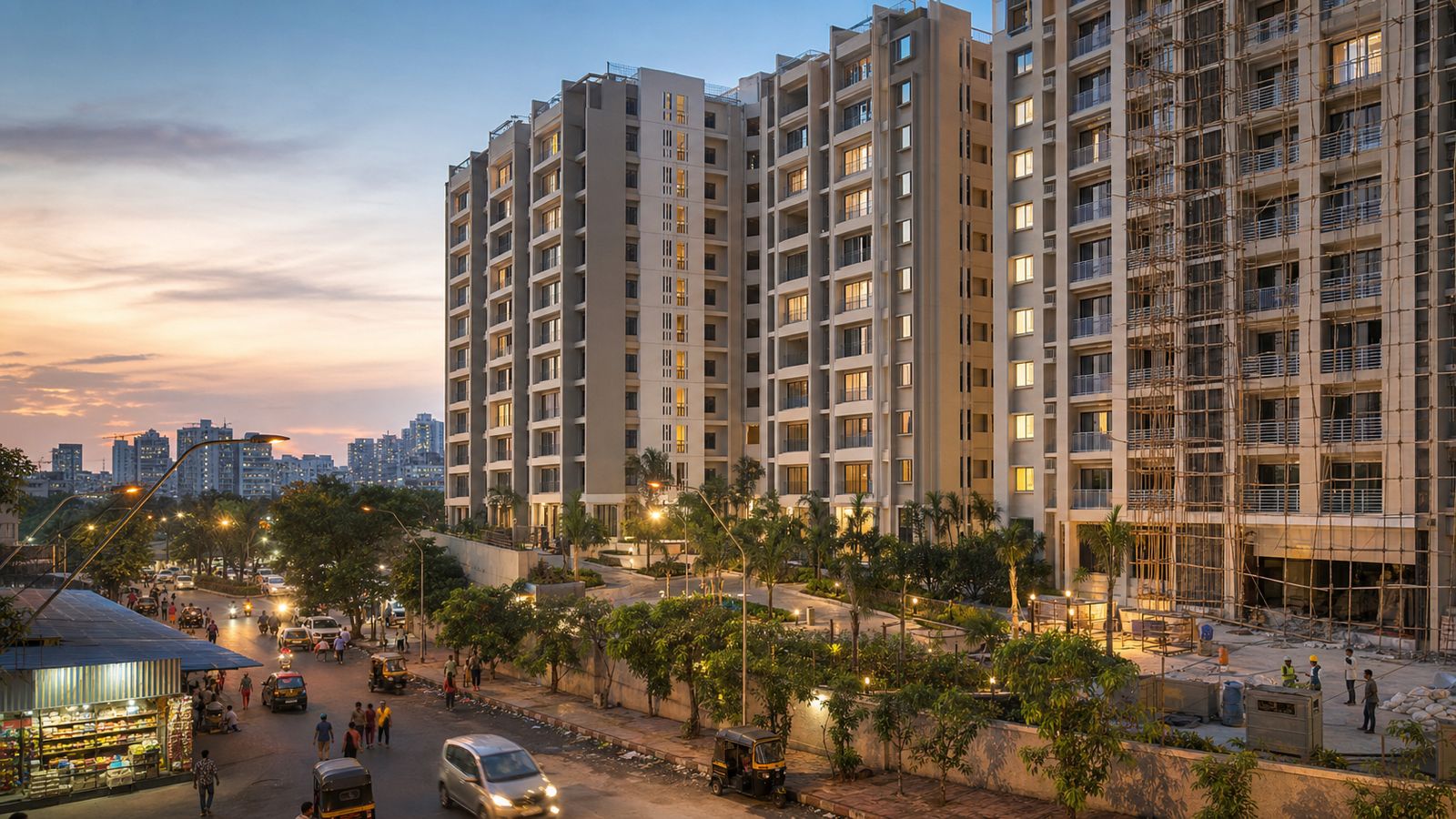
Mumbai Buyers Feel Price Pressure Despite Cheaper Loans

For many Mumbai households, the dream of buying a home is becoming less about finding the lowest interest rate and more about finding the right location at a manageable total cost.
Cheaper home loans can reduce the monthly repayment burden. But Mumbai’s affordability problem goes beyond interest rates. When capital values rise, buyers need a larger down payment and a bigger loan. A family may qualify for an EMI, yet still struggle to arrange the initial contribution, stamp duty, registration expenses and basic fit-out costs.
This is changing how people choose homes. Some buyers are postponing a purchase. Others are shifting from central locations to suburbs, satellite cities or resale properties. Many are choosing a smaller home today with the expectation of upgrading later. These are not signs of weak demand; they are signs of a market adapting to higher ownership costs.
For tenants, this trend matters as well. When ownership becomes more expensive, good rental housing can remain in demand for longer, especially near workplaces, metro stations and established social infrastructure. Landlords with well-maintained homes in practical locations may benefit, but rent increases must still match what households can realistically pay.
The practical lesson is simple: buyers should not allow a lower EMI to create a false sense of affordability. A home purchase should leave enough room for daily living, savings and future financial goals. A financially comfortable home is usually a better decision than a larger home that creates constant pressure.
Key takeaway: A lower loan rate is helpful, but location, ticket size and upfront costs determine whether a Mumbai home is genuinely affordable.