SRA Identifies 18 New Slum Clusters Across Mumbai Region for Redevelopment
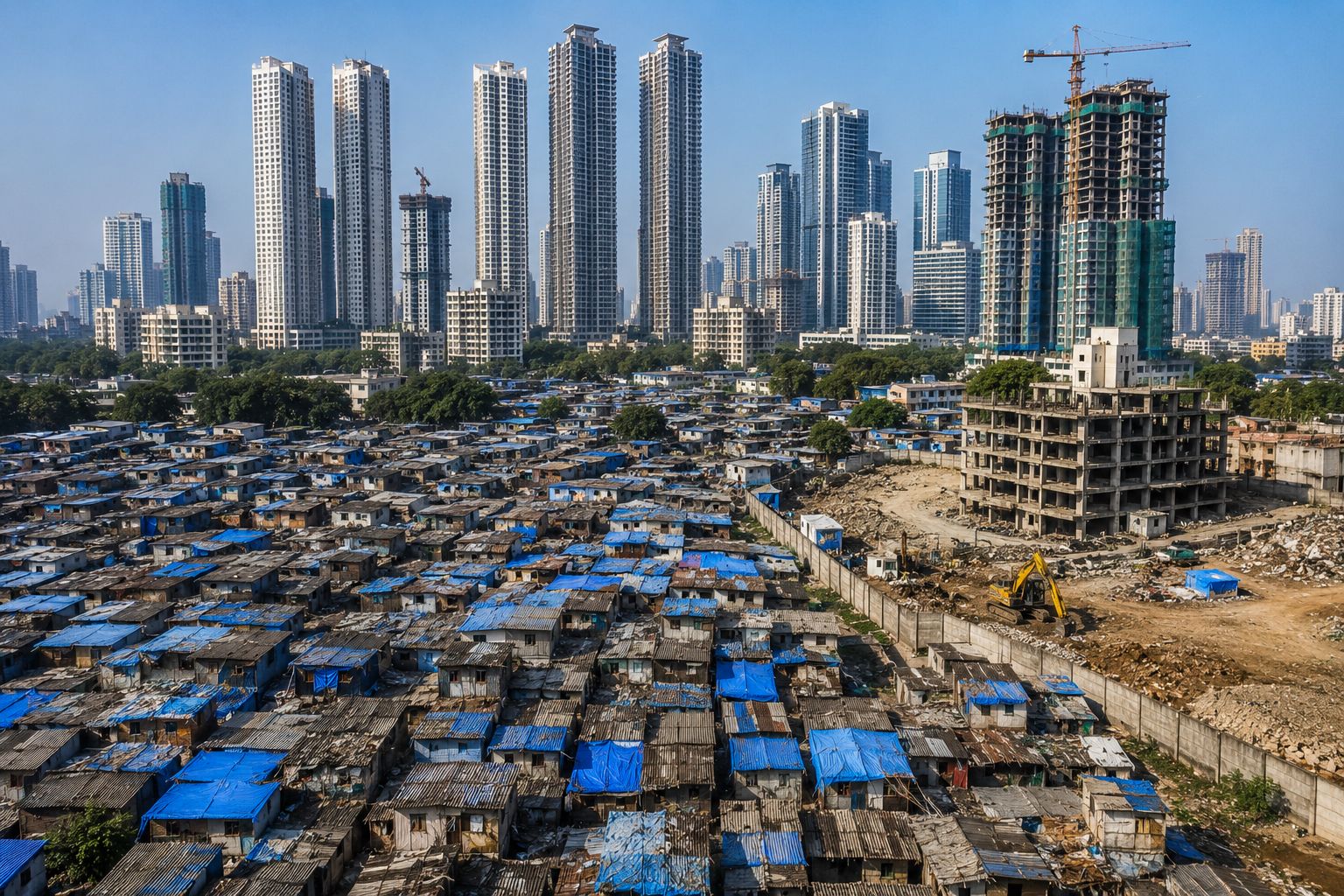
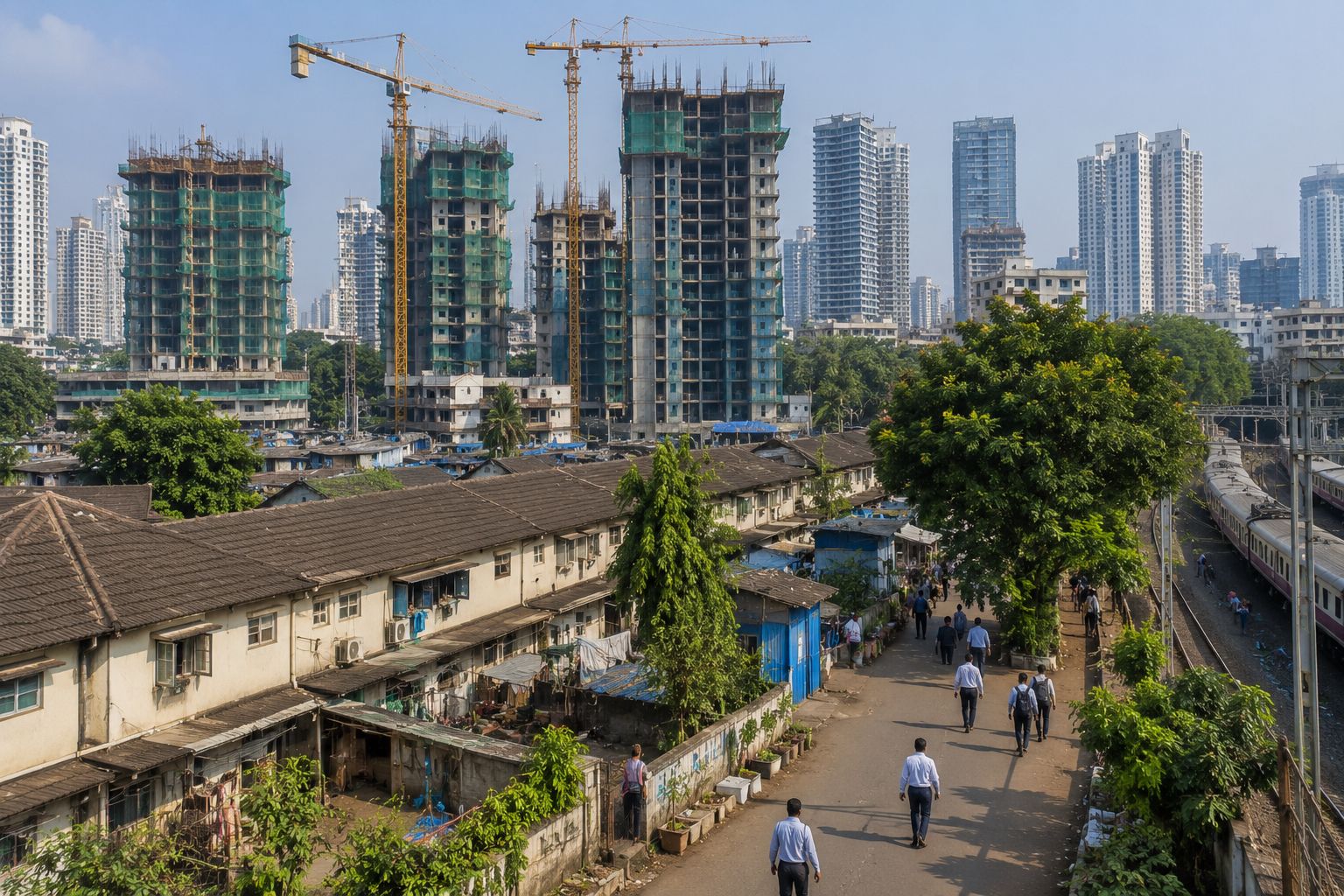
Mumbai’s redevelopment story continues to gather momentum as the Slum Rehabilitation Authority (SRA) has identified 18 additional slum clusters across the Mumbai Metropolitan Region (MMR) for potential redevelopment. The move is expected to unlock significant housing stock, improve urban infrastructure, and create fresh opportunities for developers, investors, and homebuyers alike.
The identification of these clusters comes at a time when Mumbai is witnessing an accelerated push toward large-scale urban renewal. With land availability becoming increasingly scarce across the city, redevelopment remains one of the most viable solutions to accommodate future population growth while improving living standards for existing residents.
Why This Matters
Slum redevelopment has long been one of Mumbai’s biggest urban challenges and opportunities. Large pockets of underutilized land occupied by informal settlements sit within some of the city’s most strategically located micro-markets. Redeveloping these areas can transform entire neighbourhoods, create better civic infrastructure, and generate new residential and commercial inventory.
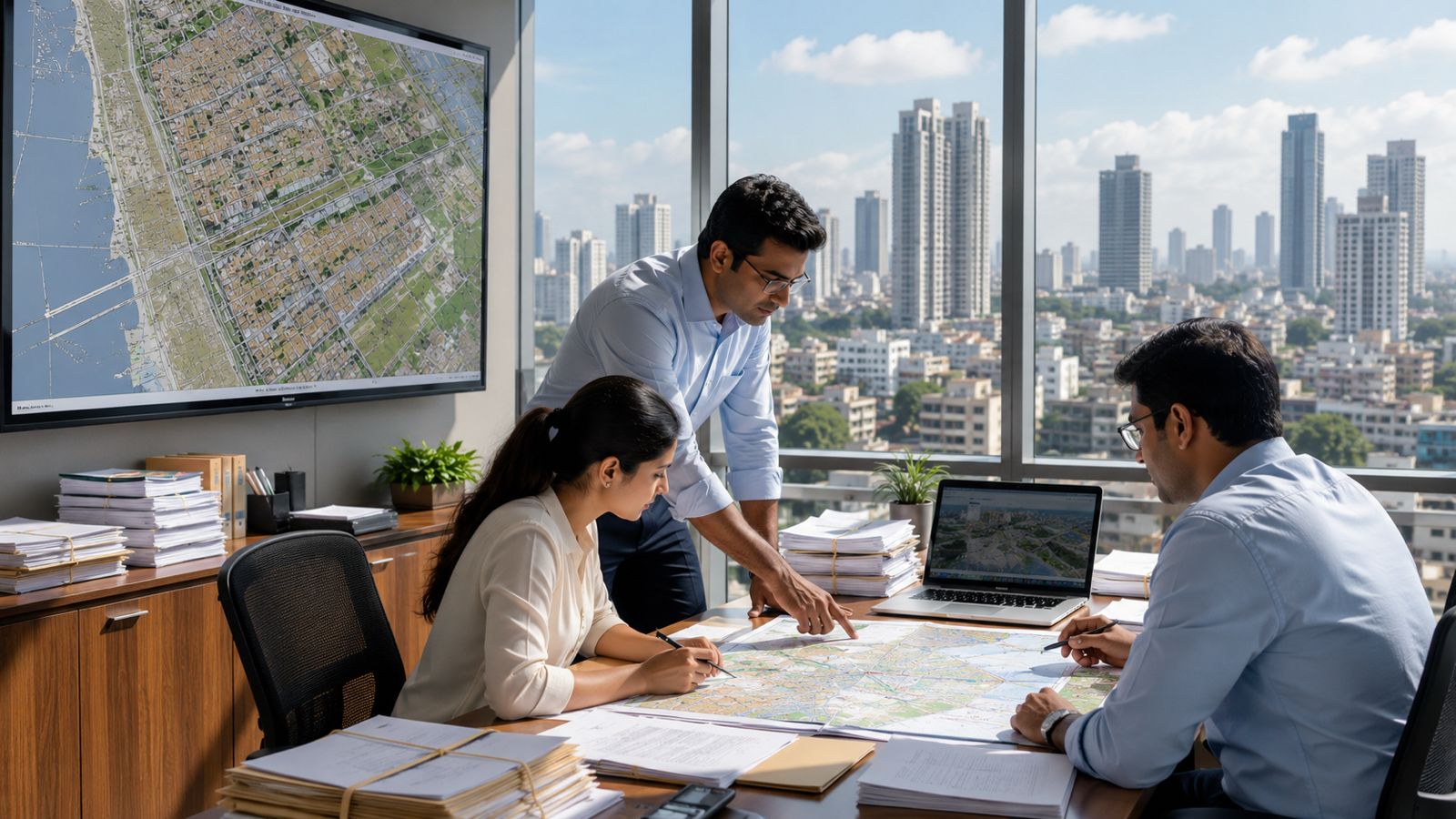
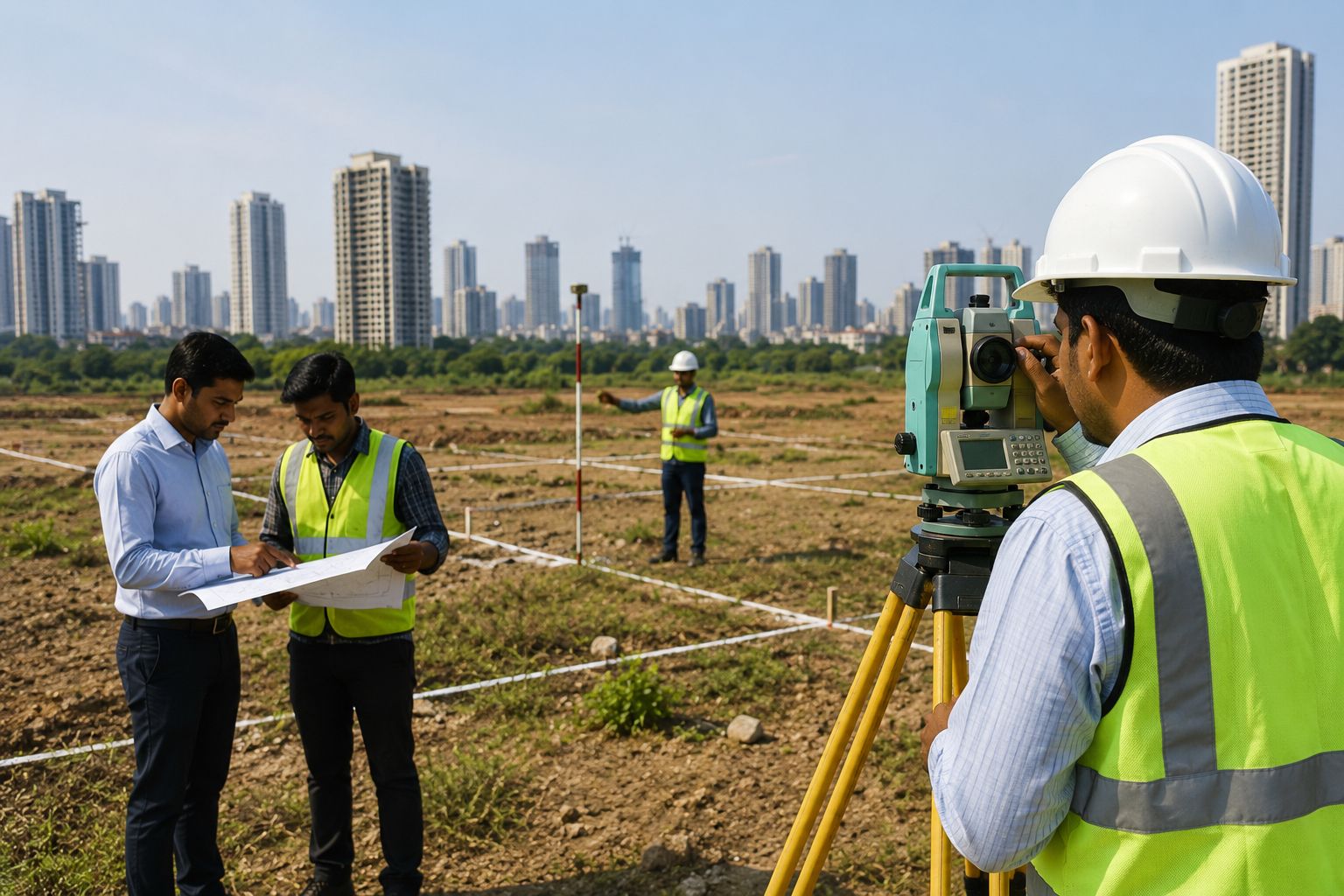
The addition of 18 new clusters indicates that authorities are actively working toward consolidating fragmented redevelopment projects into larger, more viable redevelopment schemes. This approach can improve project feasibility and attract stronger participation from established developers.
Impact on the Real Estate Market
The redevelopment of these clusters could have a far-reaching impact on Mumbai’s real estate landscape:
• Creation of thousands of rehabilitation homes for eligible residents.
• Release of substantial free-sale inventory for the open market.
• Improved roads, utilities, and public infrastructure in redevelopment zones.
• Enhanced attractiveness of surrounding residential and commercial markets.
• Increased opportunities for developers seeking large-scale land parcels within city limits.
For developers, such projects offer access to land in locations where greenfield development opportunities are virtually non-existent. For homebuyers, redevelopment often translates into better planned communities and upgraded infrastructure.
The Changing Face of Mumbai
Over the past decade, Mumbai has seen several landmark redevelopment initiatives reshape the city’s skyline. Large cluster redevelopment projects have demonstrated that urban renewal can create significant economic value while improving the quality of life for residents.
As infrastructure projects such as the Coastal Road, Metro network, Trans Harbour Link, and various road expansion initiatives continue to improve connectivity, redevelopment locations are becoming increasingly attractive for long-term investment.
Challenges Remain
While the opportunity is immense, execution remains the key challenge. Land ownership complexities, resident consent requirements, rehabilitation obligations, regulatory approvals, and financing structures continue to impact timelines.
Successful redevelopment will depend on transparent stakeholder engagement, efficient approvals, and the participation of financially strong developers capable of executing large-scale projects.
Outlook
The identification of 18 new redevelopment clusters is another indication that Mumbai’s future growth will be driven more by urban renewal than by greenfield expansion. As redevelopment gains scale, the city could witness the creation of new housing stock, upgraded infrastructure, and enhanced urban living standards.
For investors, developers, and market participants, these emerging redevelopment zones will be important areas to watch over the coming years as Mumbai continues its transformation into a more organized and infrastructure-led real estate market.
By Sandeep Sadh