BMC Announces 10% Water Cut Across Mumbai
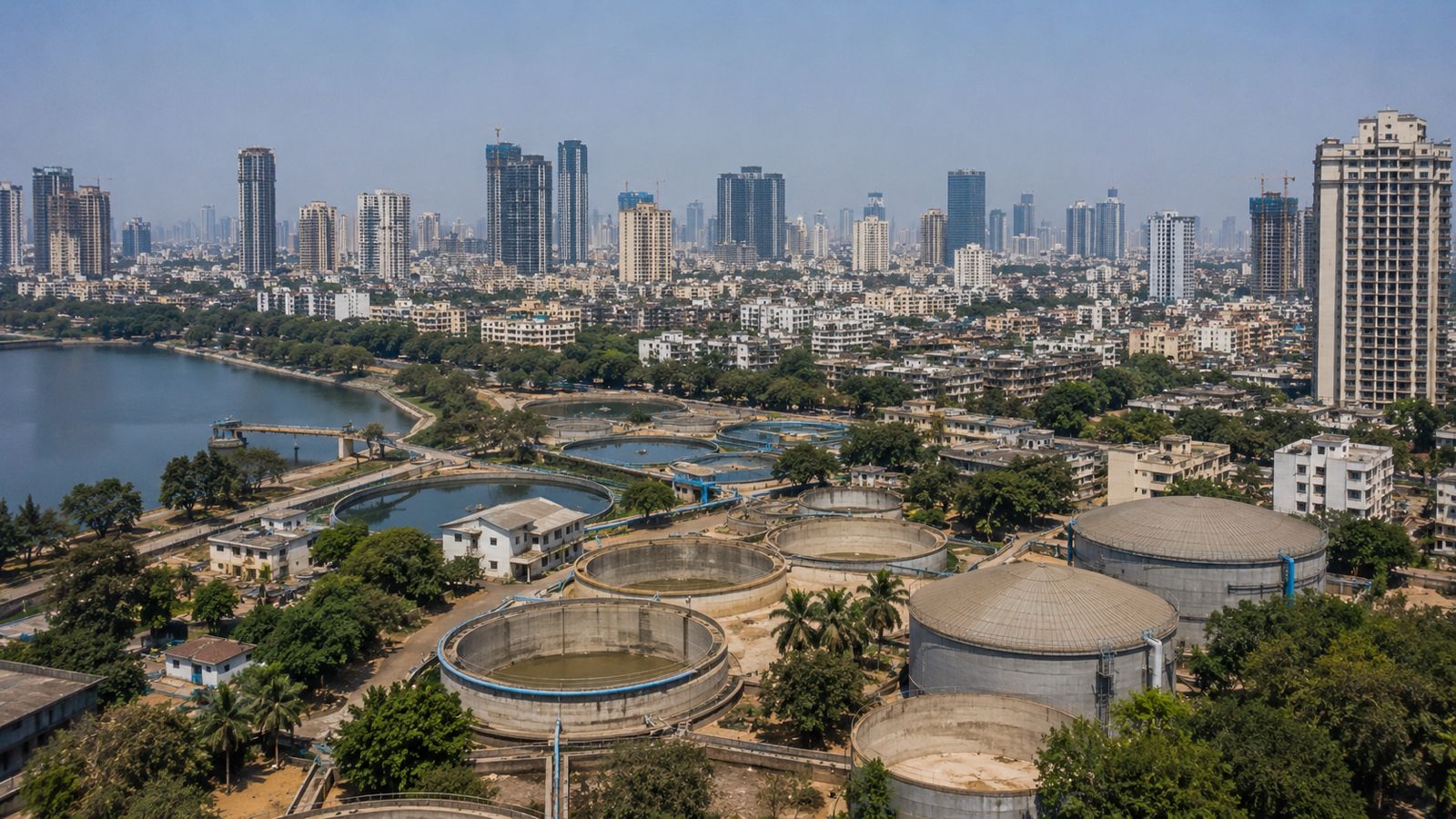
Mumbai’s water shortage has intensified, prompting the Brihanmumbai Municipal Corporation (BMC) to introduce additional conservation measures across the city. With reservoir levels falling sharply and monsoon rains yet to significantly replenish water stocks, civic authorities have announced a 10% reduction in water supply while implementing a series of restrictions aimed at preserving available resources. Reservoir levels have dropped to around 10.35% of total storage capacity, increasing concerns over water availability in the coming weeks.
The latest measures affect multiple sectors, including construction activity, commercial establishments, swimming pools, and other non-essential water uses. Authorities have also warned of strict action against misuse of drinking water as the city works to manage supplies until reservoir levels improve.
Water Conservation Measures Intensify
The new restrictions are part of a broader effort to ensure that available water reserves last until the arrival of stronger monsoon rainfall. Civic authorities have placed a clear priority on protecting drinking water supplies while reducing consumption in areas considered non-essential.
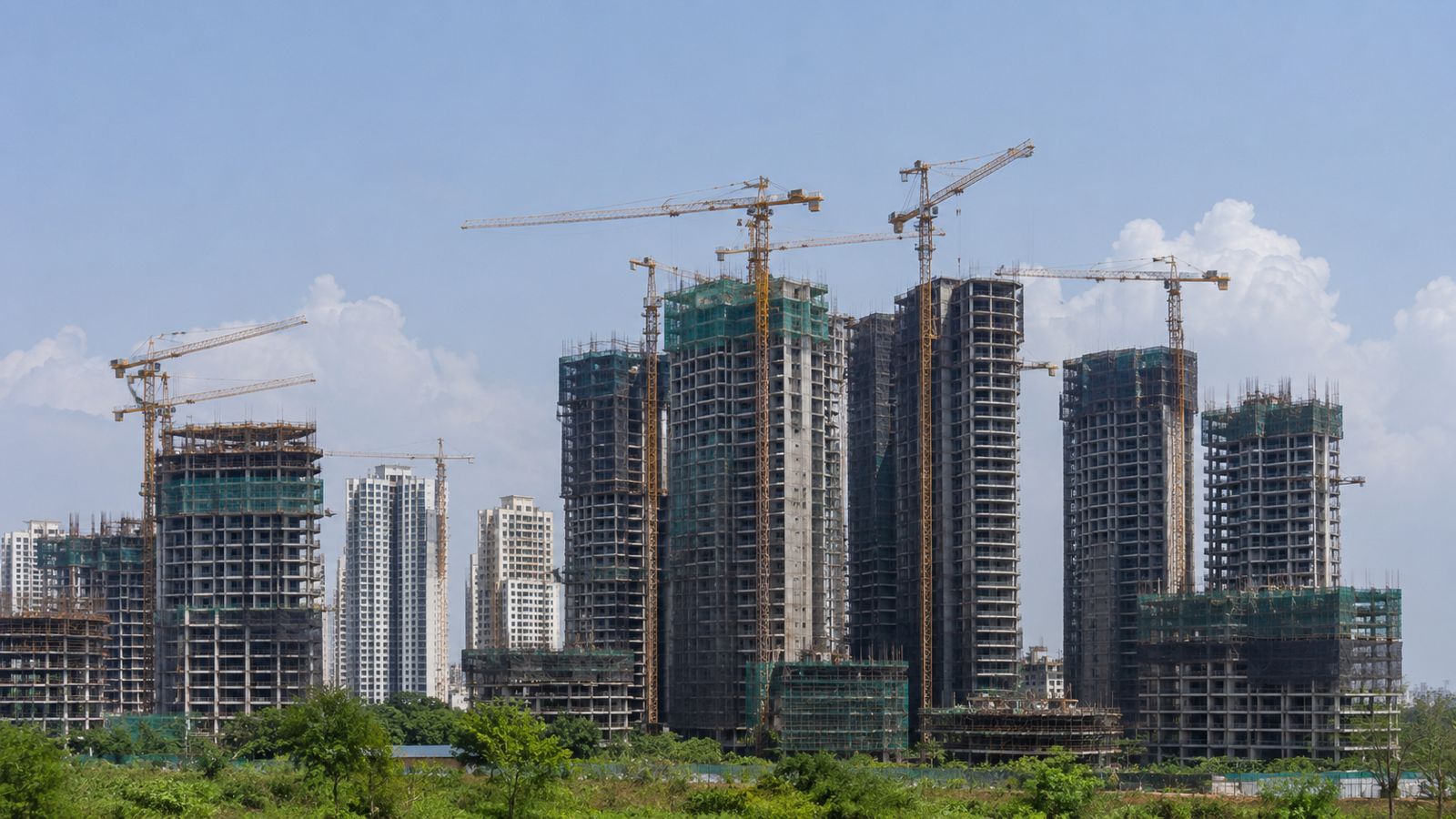
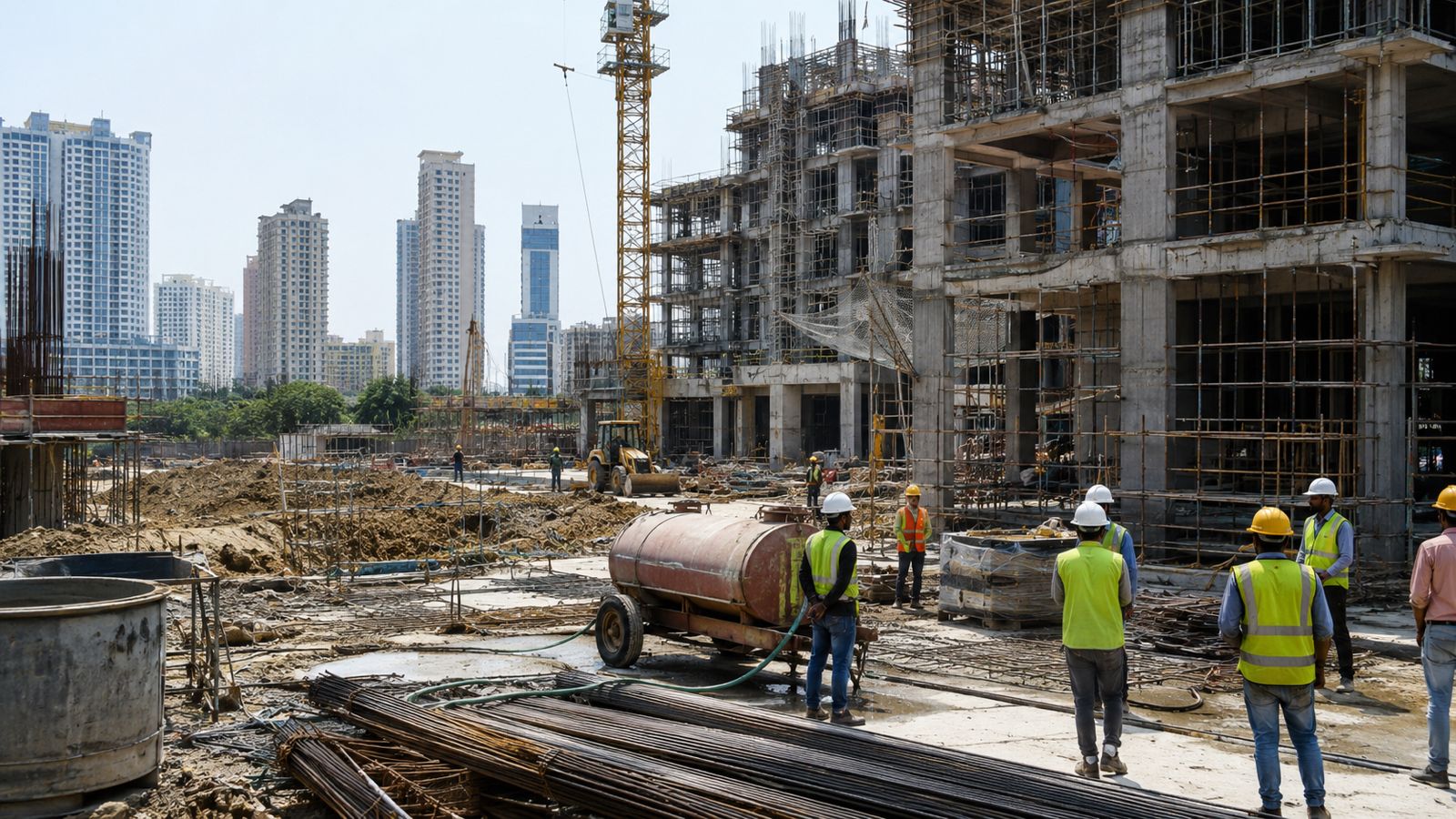
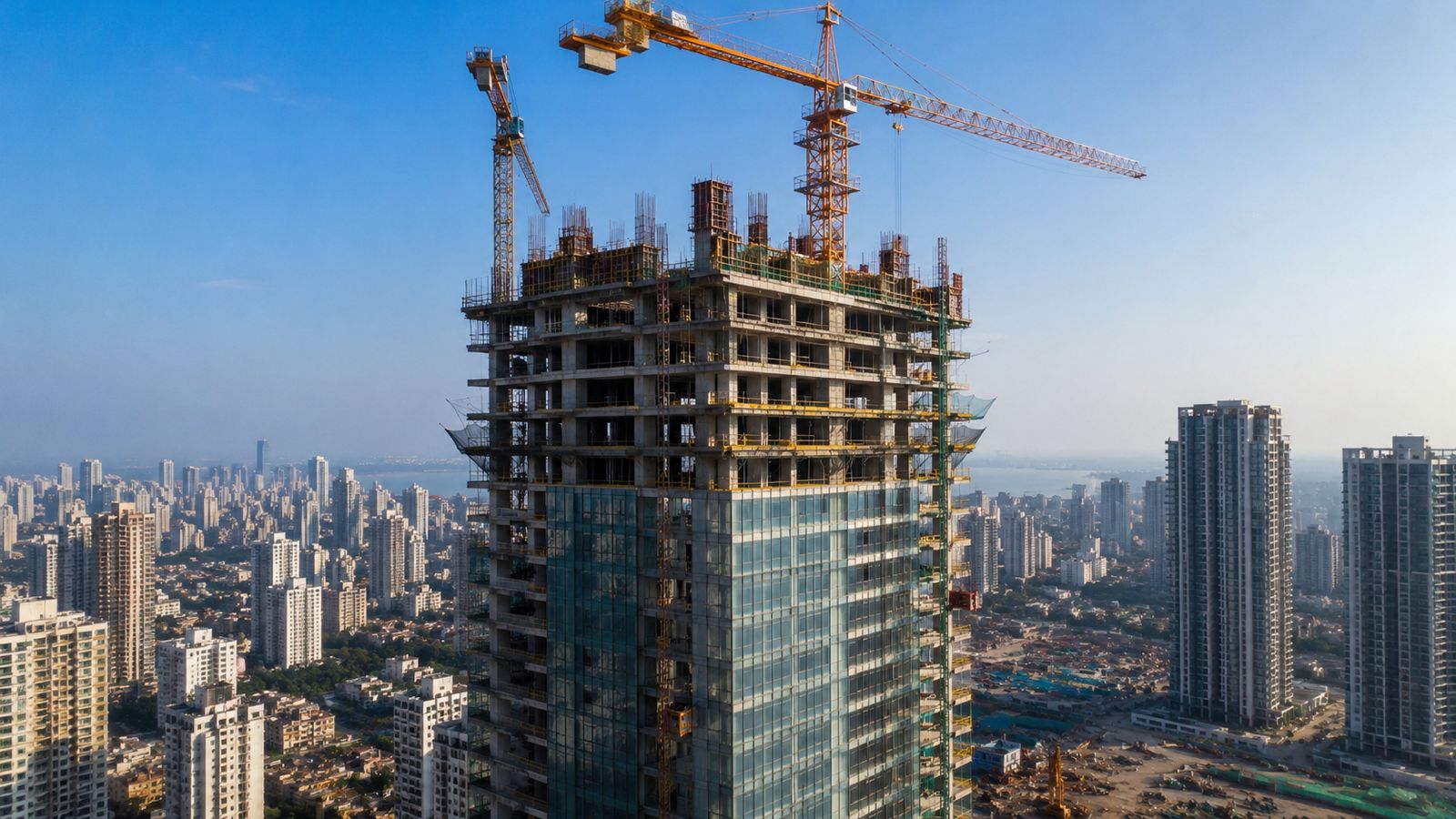
Construction sites have emerged as one of the key sectors affected by the latest measures. Water supply to construction projects has been suspended, while approvals for new construction-related water connections have also been restricted. These steps are expected to reduce pressure on the city’s limited water reserves.
Swimming pools across the city are also facing water supply restrictions as authorities seek to redirect available resources toward essential consumption needs. Additional limitations have been introduced for industrial and commercial users as part of the conservation effort.
Real Estate Sector Faces Fresh Challenges
The restrictions arrive at a time when Mumbai’s real estate sector is witnessing significant development activity across residential, commercial, and redevelopment projects. Water plays an essential role in construction processes, including foundation work, concrete curing, site maintenance, and infrastructure development.
Developers may increasingly rely on alternative sources such as recycled water, rainwater harvesting systems, and private tanker arrangements to maintain construction schedules. While these alternatives can help reduce disruption, they may also increase operational costs for certain projects.
The situation highlights the growing importance of sustainable construction practices and resource-efficient development planning in urban real estate markets.
Focus on Responsible Water Usage
The BMC has indicated that strict action will be taken against misuse of drinking water during the shortage period. Authorities are encouraging residents, institutions, and businesses to adopt conservation measures and reduce unnecessary consumption wherever possible.
The current situation has also renewed discussions around long-term water management solutions. Infrastructure investments such as rainwater harvesting, wastewater recycling, desalination projects, and improved storage facilities are increasingly being viewed as critical for supporting Mumbai’s future growth.
As the city expands, balancing development with resource availability will remain a key challenge for policymakers and urban planners.
Outlook for Mumbai
The duration of the restrictions will largely depend on rainfall activity and the speed at which reservoir levels recover. Weather conditions over the coming weeks will play an important role in determining whether conservation measures need to be extended or can be gradually relaxed.
For the real estate sector, the current restrictions serve as a reminder of the close relationship between infrastructure resilience and urban development. Sustainable resource management is likely to become an even more important consideration for developers, investors, and homebuyers in the years ahead.
While the city awaits stronger monsoon activity, conservation efforts are expected to remain a priority as authorities work to safeguard Mumbai’s water supply and support essential services.
Expert View by Sandeep Sadh
The current water shortage highlights the importance of infrastructure planning in a rapidly growing city like Mumbai. Resource availability directly impacts construction activity, housing development, and overall urban growth.
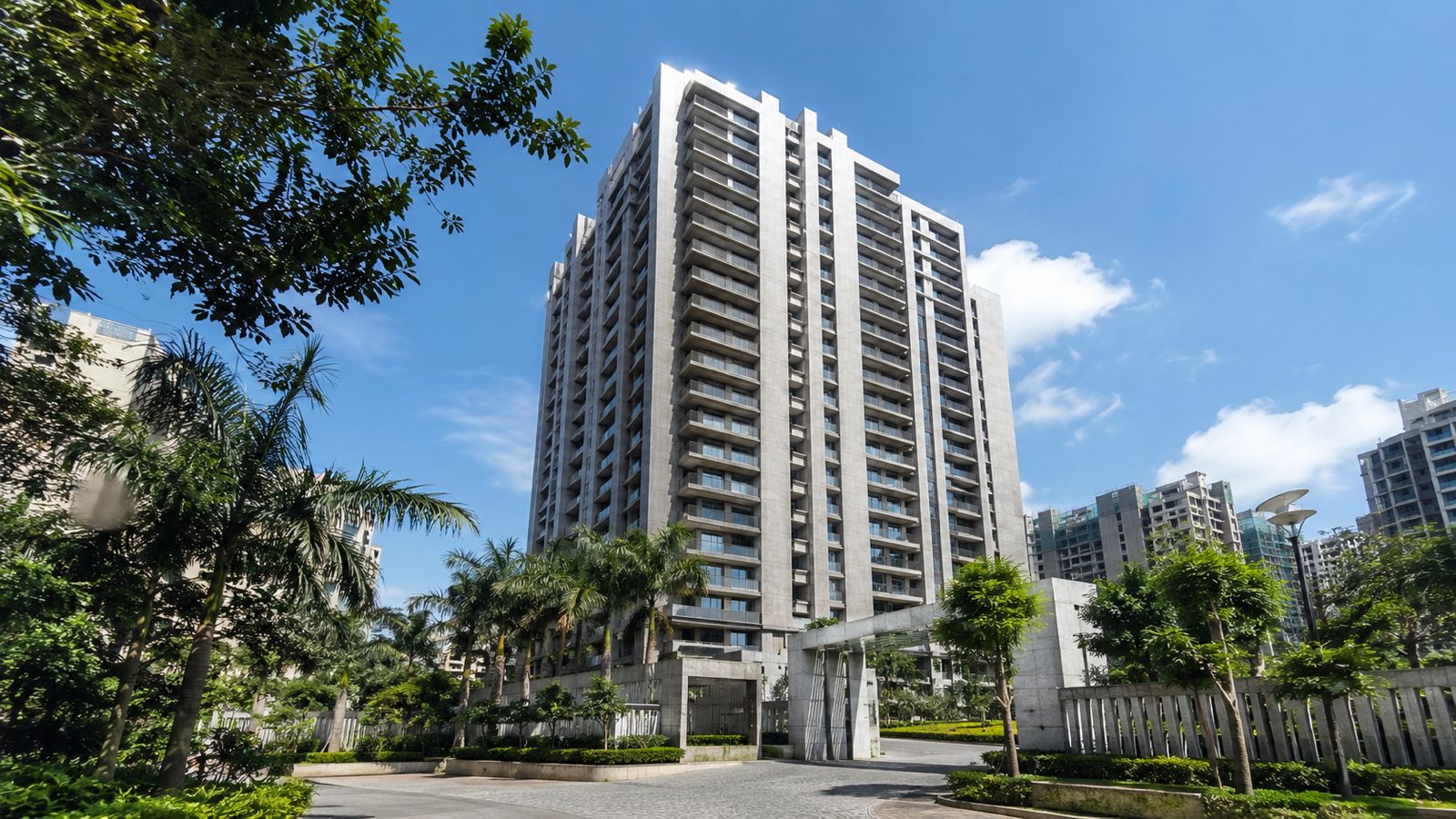
For homebuyers, projects with strong water management systems and sustainability features may offer greater long-term resilience during periods of supply stress.
Developers are increasingly being encouraged to adopt water-efficient technologies, recycling systems, and sustainable construction practices to reduce dependence on municipal supply.
As cities continue to grow, responsible resource management will become one of the defining factors influencing future real estate development.
— Sandeep Sadh