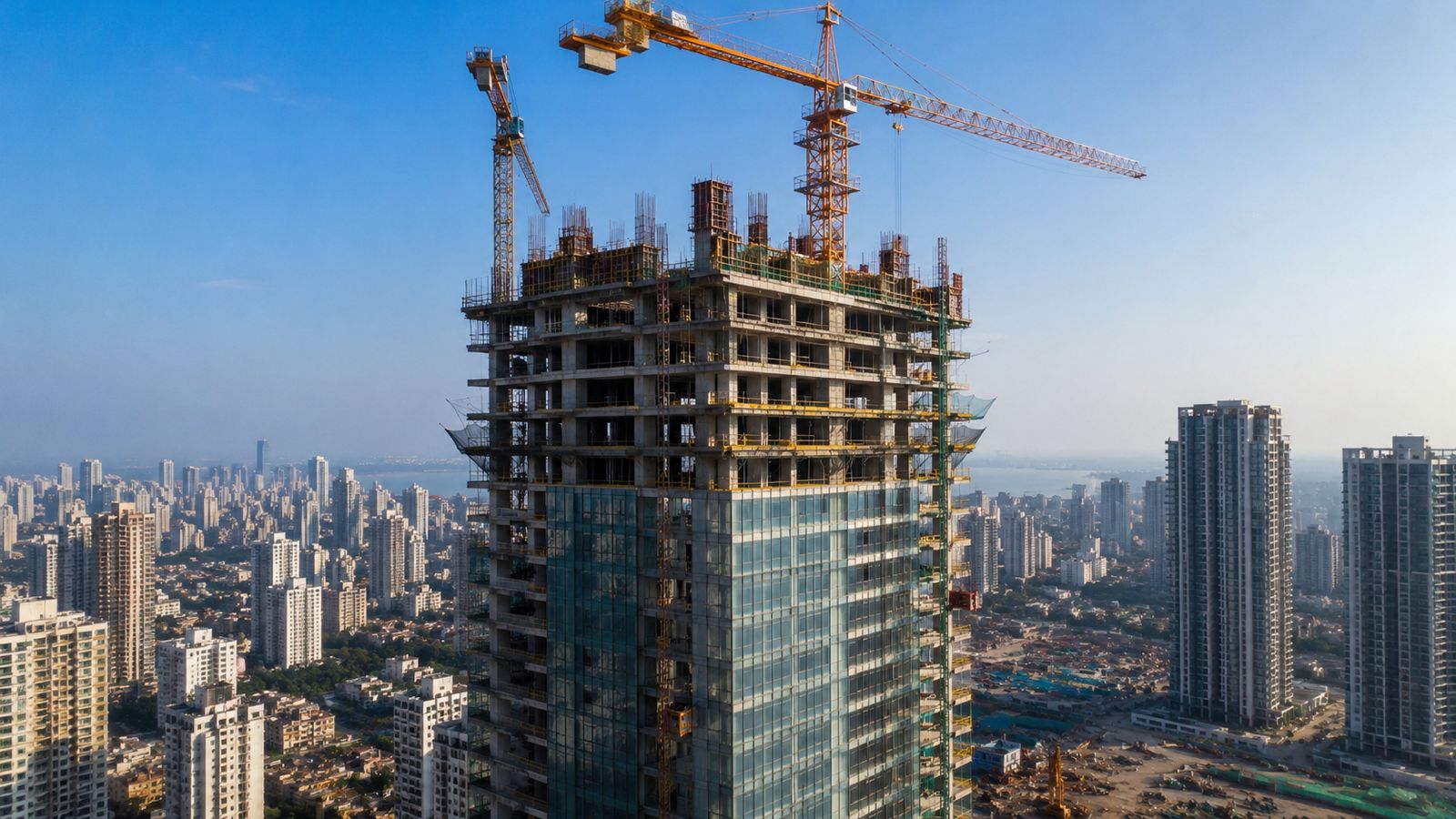
Mumbai Water Ban Hits Real Estate Stocks
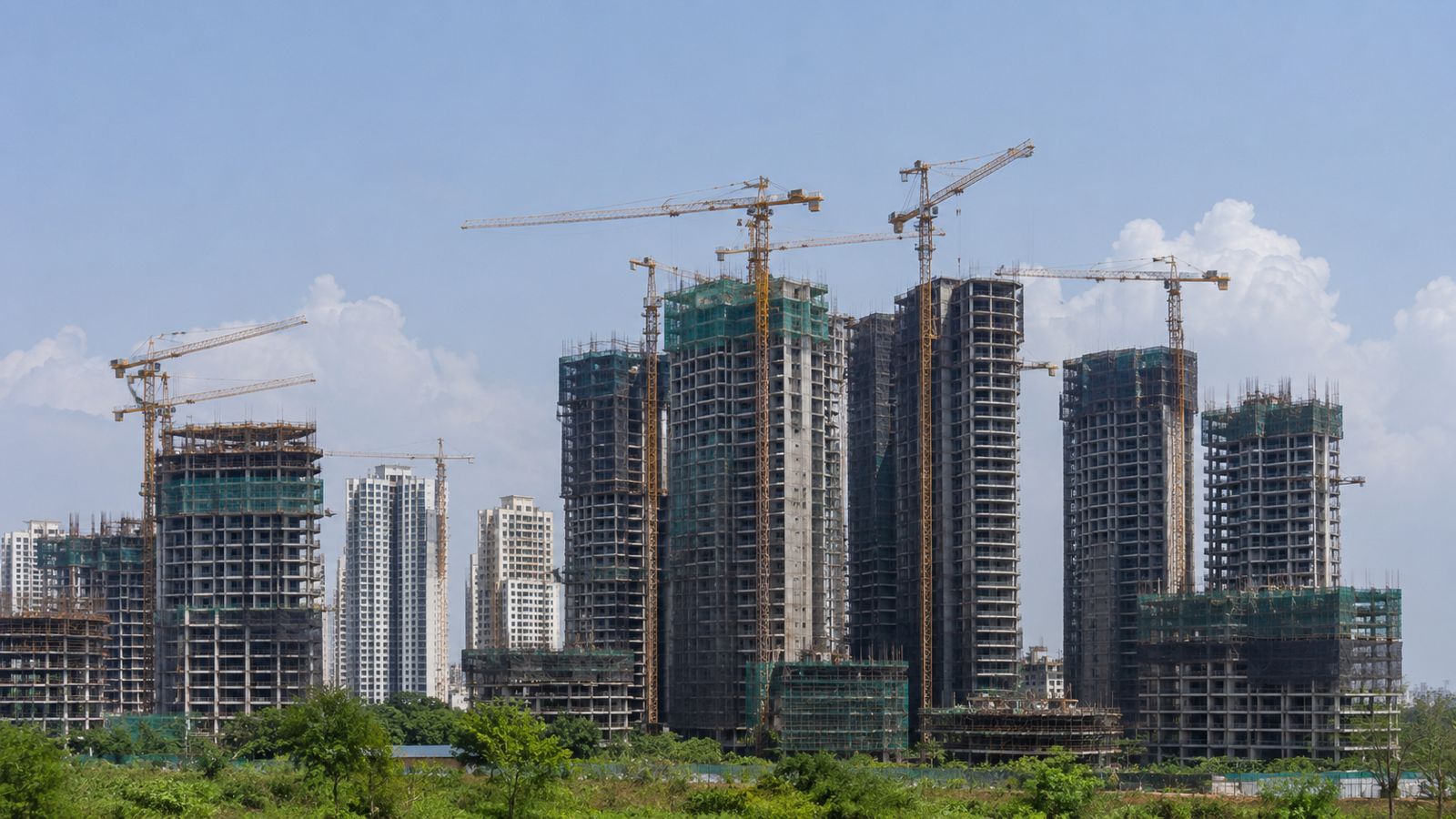
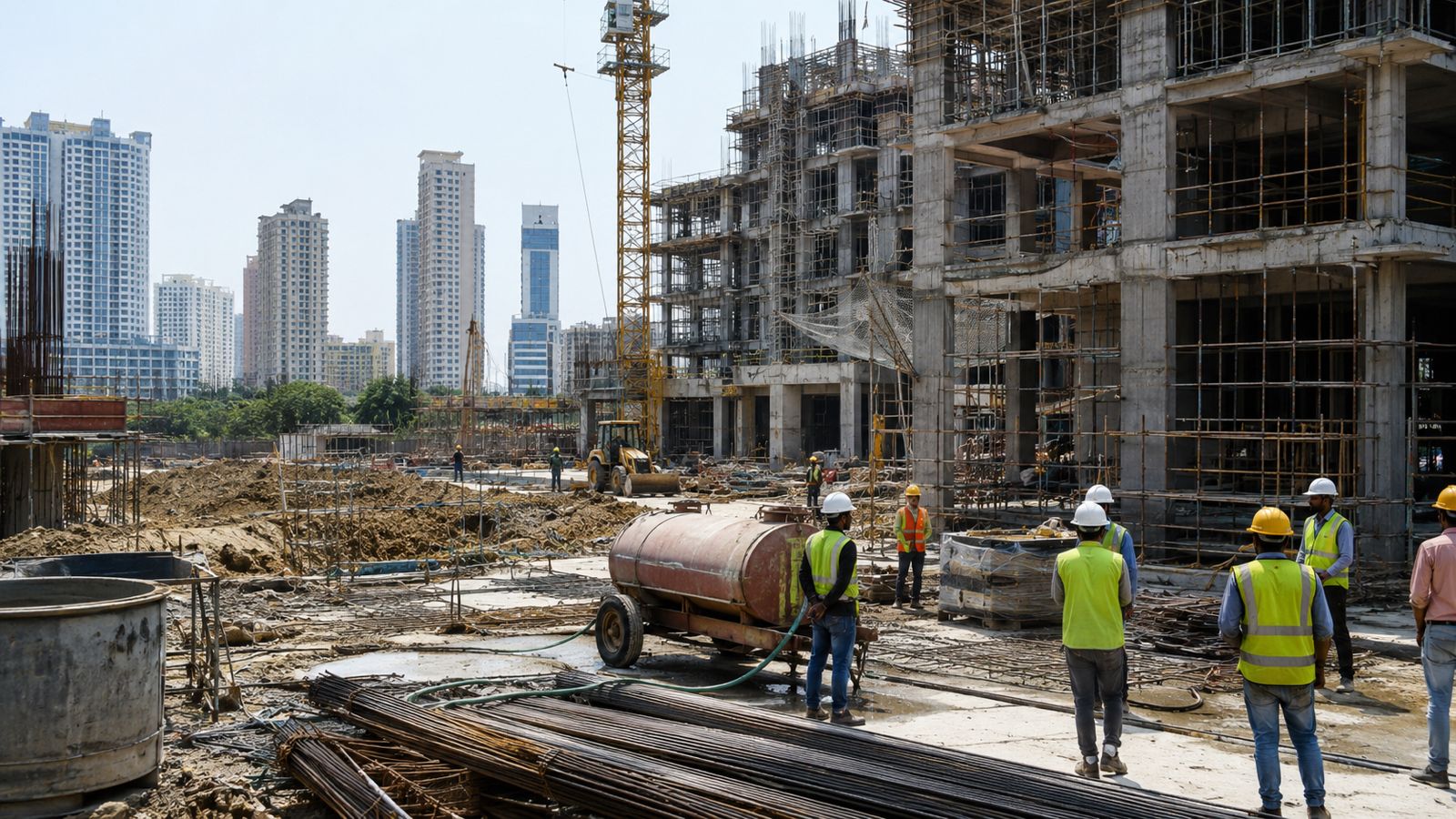
Mumbai’s real estate sector faced fresh challenges after water conservation measures announced by civic authorities triggered concerns across both the property market and stock market. The restrictions, which include the suspension of water supply to construction sites, have raised questions about project execution timelines and operational continuity for developers active in the Mumbai Metropolitan Region.
The announcement led to weakness in the share prices of several listed real estate companies, reflecting investor concerns over the potential impact on ongoing and upcoming projects. Developers with a strong presence in Mumbai witnessed selling pressure as markets assessed the implications of construction-related water restrictions.
Water Restrictions Create Industry Concerns
Construction activity relies heavily on water for various stages of project development, including excavation, concrete work, curing processes, and site maintenance. Any disruption in water availability can create operational challenges, particularly for large-scale residential and commercial developments.
While developers may explore alternative arrangements such as recycled water and private water sourcing, the restrictions have introduced uncertainty regarding construction schedules. If the measures remain in place for an extended period, project timelines could come under pressure across multiple parts of the city.
The situation highlights how infrastructure and utility availability can directly influence real estate operations, especially in large urban markets where development activity remains intense.
Investor Sentiment Turns Cautious
Stock markets often react quickly to factors that may affect future business performance, and the latest water restrictions prompted investors to adopt a cautious approach toward real estate companies.
Market participants are evaluating whether the restrictions will be temporary or whether prolonged implementation could lead to construction delays, slower project launches, and disruptions in customer handovers. Such factors can influence revenue recognition and cash flow visibility for developers.
Although the broader housing market continues to remain active, short-term operational concerns have contributed to increased volatility in real estate stocks.
Mumbai Remains a Key Real Estate Market
Despite the immediate challenges, Mumbai continues to be one of India's most important residential and commercial property markets. The city remains a major destination for developers due to strong end-user demand, limited land availability, and long-term appreciation potential.
Infrastructure improvements, redevelopment activity, metro expansion, and growing demand across multiple micro-markets continue to support the long-term outlook for the sector. Many developers maintain substantial project pipelines across Mumbai and surrounding regions, reflecting confidence in future growth.
The current restrictions are therefore being viewed largely as a near-term operational challenge rather than a structural issue for the housing market.
Sustainability Gains Importance
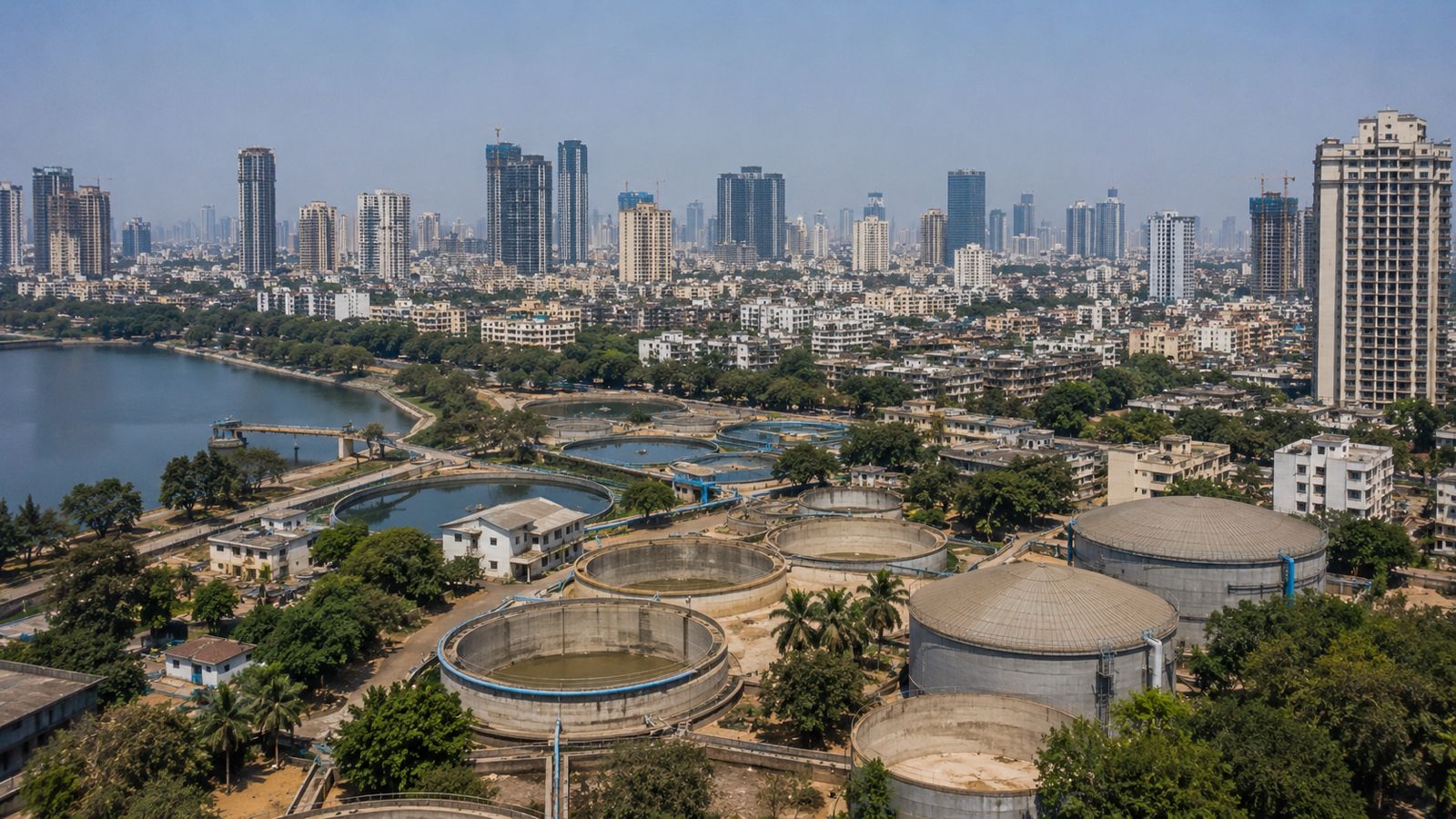
The latest developments have also brought attention to the importance of sustainable construction practices. Water recycling systems, rainwater harvesting, wastewater treatment facilities, and resource-efficient infrastructure are becoming increasingly important for large-scale developments.
Developers that integrate sustainability measures into project planning may be better positioned to navigate future resource-related challenges. Buyers are also showing greater interest in projects that demonstrate environmental responsibility and long-term infrastructure resilience.
As cities continue to face pressure on natural resources, sustainability is expected to become a more significant factor in both project approvals and buyer decision-making.
Outlook for the Sector
While the restrictions have created short-term uncertainty, industry stakeholders remain focused on the long-term fundamentals of Mumbai’s property market. Demand for housing, redevelopment opportunities, and infrastructure-led growth continue to support the sector’s overall outlook.
The duration of the water restrictions will likely determine the extent of their impact on construction activity. If reservoir levels improve and restrictions are eased in the coming weeks, project execution may experience only limited disruption.
For now, developers, investors, and homebuyers will closely monitor the situation as the industry adapts to one of the latest operational challenges facing Mumbai’s dynamic real estate market.
Expert View by Sandeep Sadh
Short-term infrastructure disruptions can influence market sentiment, particularly in a city as active as Mumbai. Investors often react quickly when there are concerns about project execution and construction timelines.
For homebuyers, the current restrictions are unlikely to alter long-term demand patterns, but they do highlight the importance of infrastructure readiness and resource management.
Developers may increasingly invest in water recycling and sustainability initiatives to reduce dependence on external supply sources and improve operational resilience.
The long-term fundamentals of Mumbai real estate remain strong, but sustainable infrastructure will play a growing role in shaping future development strategies.
— Sandeep Sadh