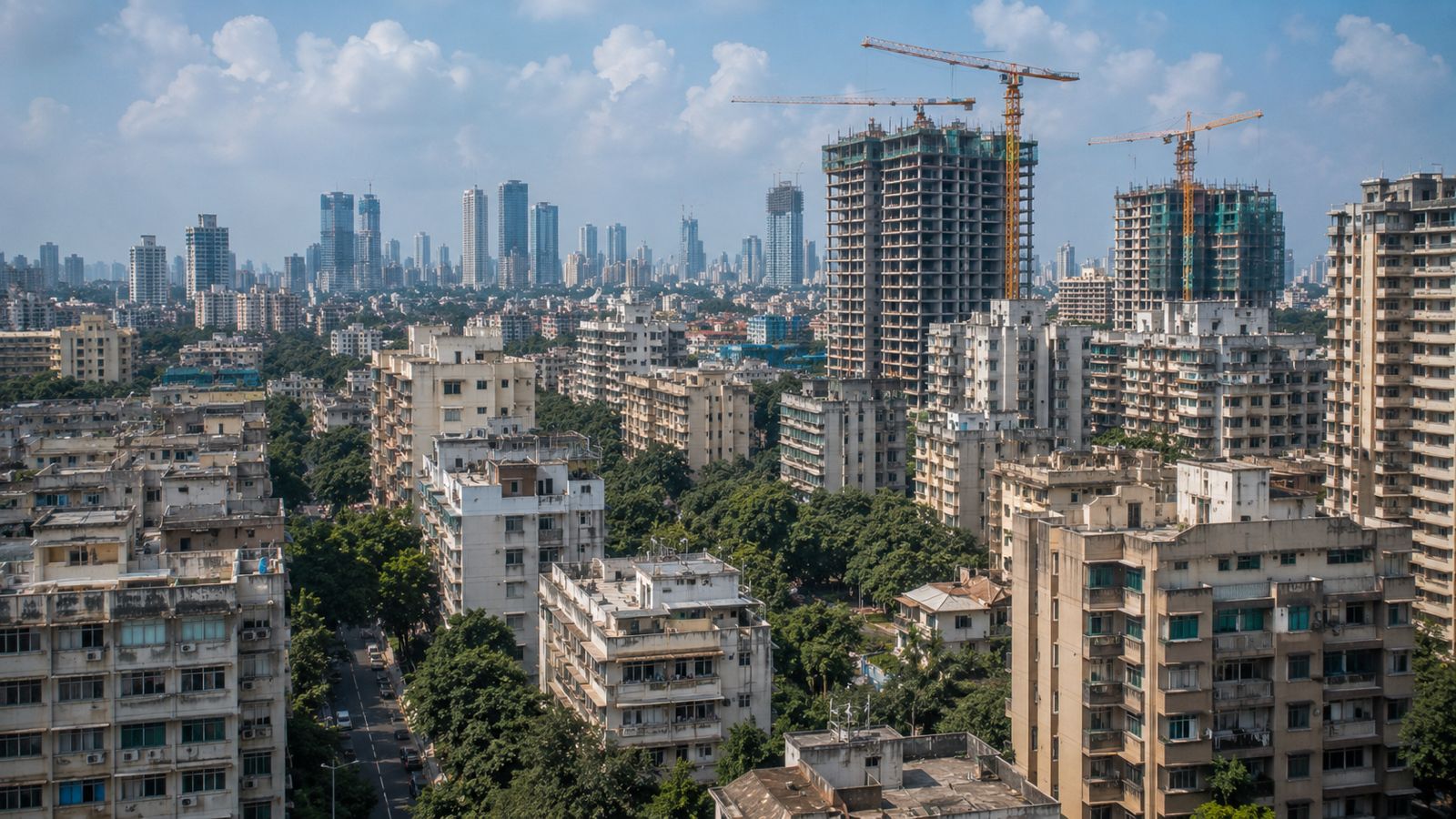
Mumbai Property Registrations Hit 13-Year High: Why Buyers Continue to Back the City's Real Estate Market
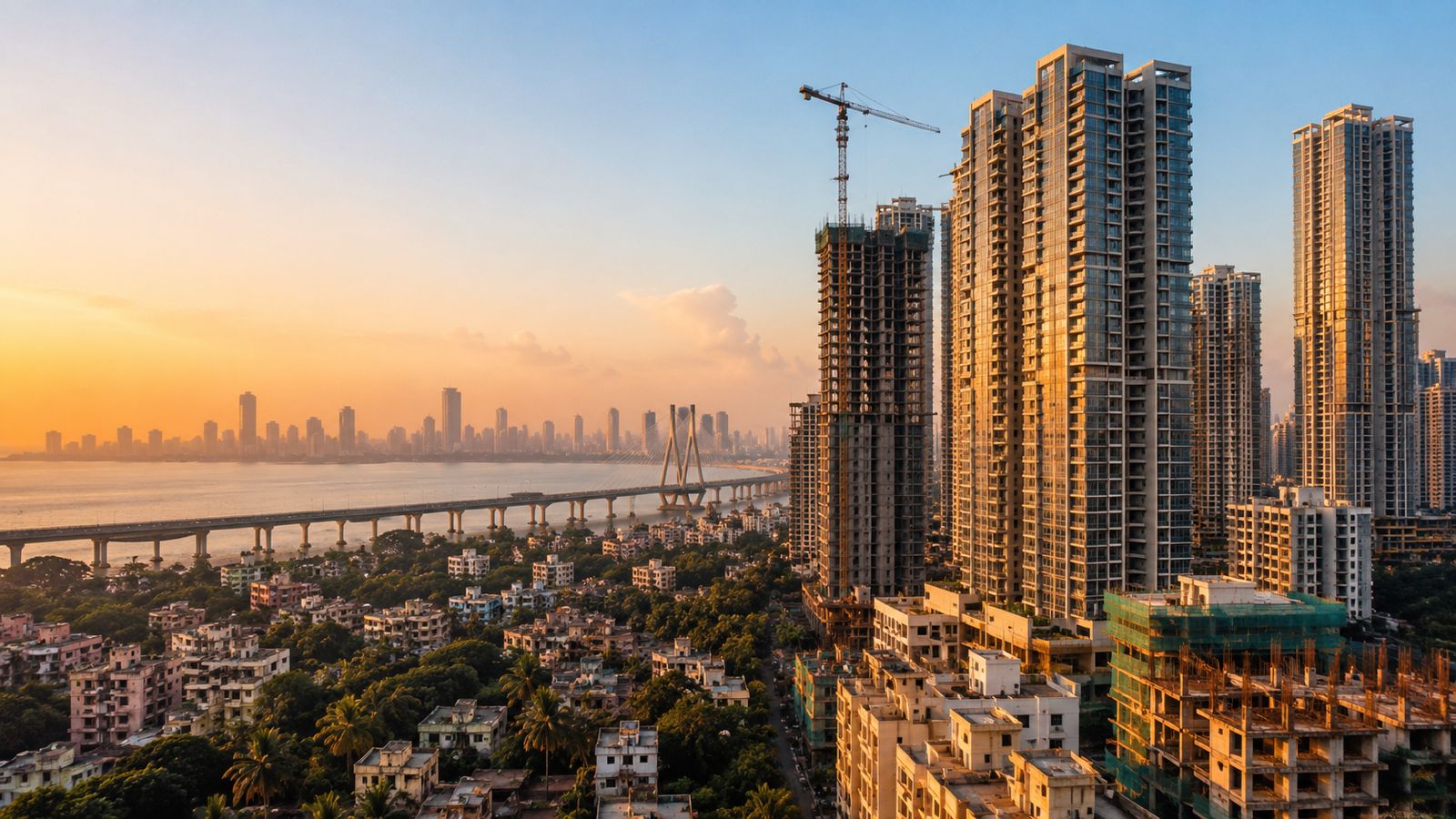
Mumbai's residential real estate market has reached a significant milestone, recording over 80,000 property registrations during the first six months of 2026—the highest first-half total in 13 years. Stamp duty collections have also remained robust, reflecting sustained transaction activity despite rising property prices across several micro-markets.
For many, the numbers simply indicate a strong market. However, a closer look suggests something far more important: Mumbai's housing market is increasingly being driven by long-term end-user demand, improving infrastructure, and confidence in the city's long-term growth rather than speculative buying.
Record Registrations Reflect Confidence, Not Just Market Momentum
Property registrations are one of the strongest indicators of actual buying activity because they represent completed transactions rather than launches or enquiries. Buyers register homes only after finalising finances, completing due diligence and committing to ownership.
The latest figures indicate that despite higher property prices and affordability challenges, homebuyers continue to view Mumbai real estate as a long-term asset capable of preserving wealth and delivering steady appreciation.
Unlike previous market cycles that relied heavily on investor activity, the current momentum appears to be supported by genuine residential demand from families, professionals, business owners and home upgraders.
Why Are Buyers Still Entering the Market Despite Rising Prices?
Conventional market theory suggests that rising prices should slow housing demand. Mumbai, however, continues to challenge that assumption.
Several structural factors are supporting the market:
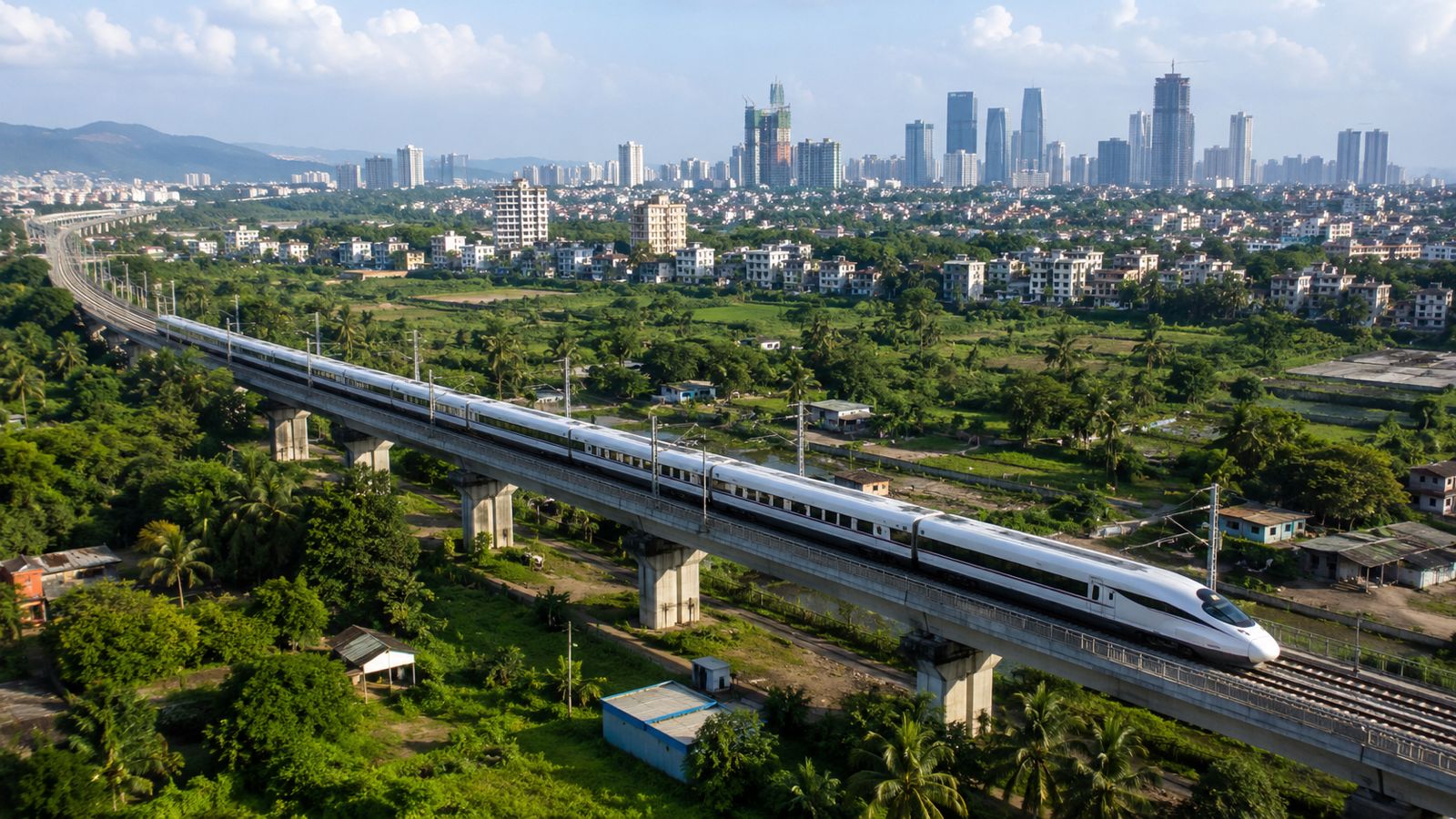
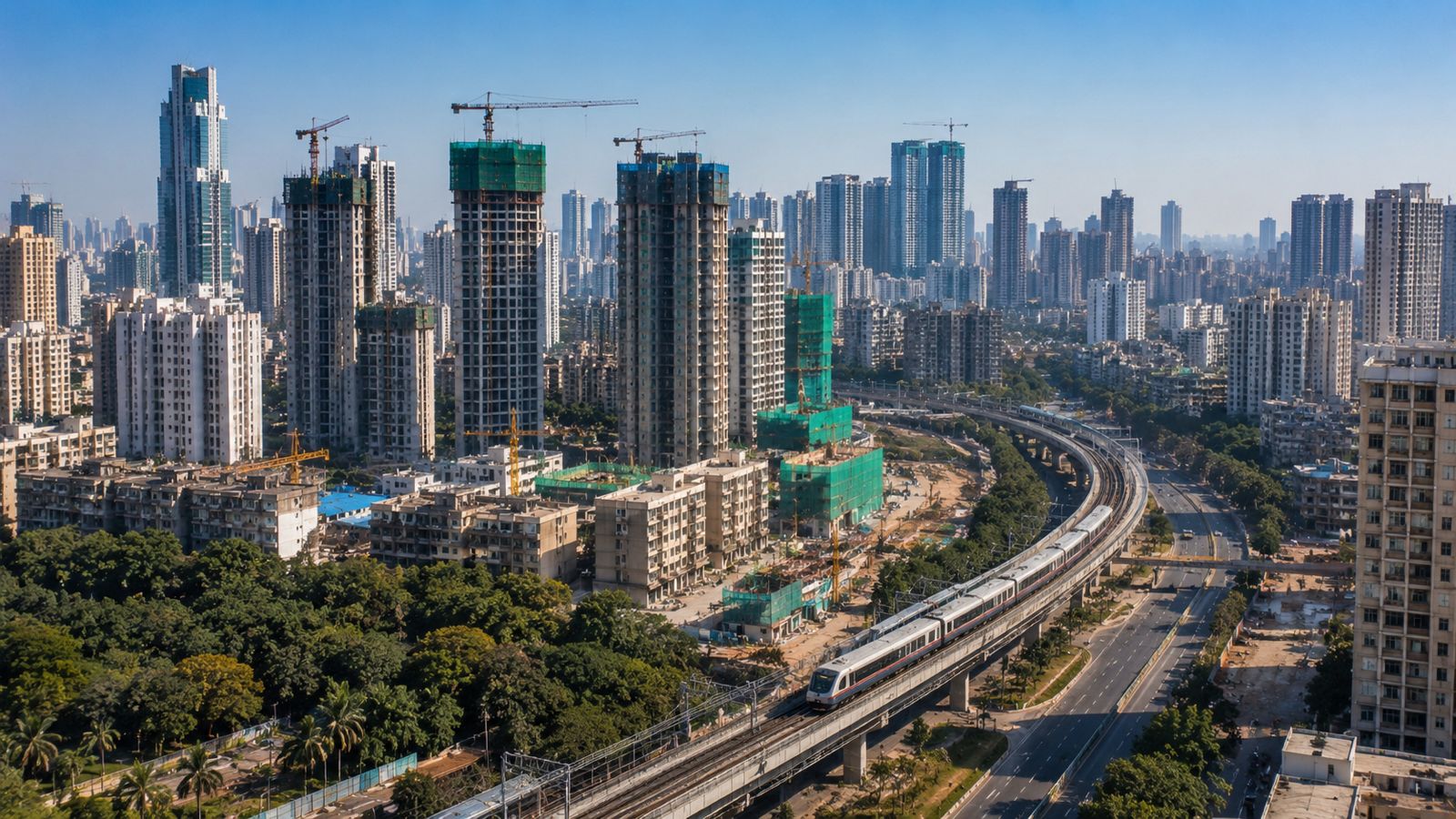
- Massive infrastructure investments, including Metro expansion, new road connectivity and improved transport corridors.
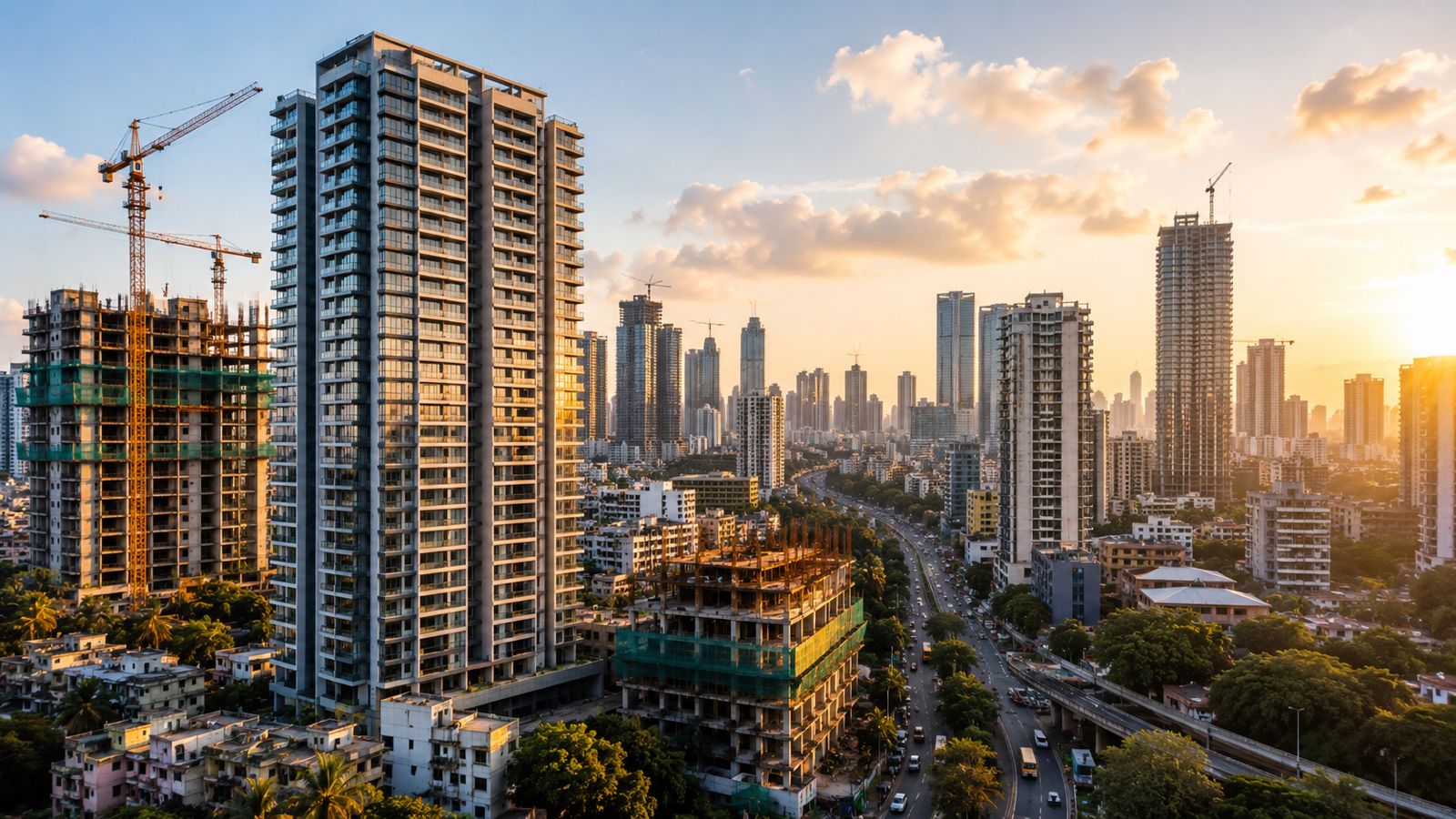
- Redevelopment across established neighbourhoods, creating fresh housing supply in locations where land availability remains limited.
- Improved financing conditions and stable employment across key sectors.
- Strong confidence that well-located Mumbai properties will continue to hold long-term value despite short-term market fluctuations.
For many buyers, delaying a purchase has become a greater concern than paying today's prices, particularly in premium residential locations where future supply remains constrained.
The Rise of the End-User Market
One of the most encouraging aspects of the current market is the growing participation of end-users.
Instead of purchasing properties solely for investment or short-term gains, a large section of buyers is purchasing homes for self-occupation. This creates a healthier residential market because genuine housing demand tends to be more stable during changing economic conditions.
End-user-driven markets generally experience more sustainable price appreciation, lower volatility and stronger long-term absorption compared to markets dominated by speculative investments.
Redevelopment Is Reshaping Mumbai's Housing Supply
With very little vacant land available within the city, redevelopment has become one of Mumbai's most important growth drivers.
Older residential buildings are making way for larger, modern developments equipped with better amenities, improved layouts, enhanced safety standards and greater parking capacity.
This transformation allows established neighbourhoods to increase housing supply without expanding city boundaries, while simultaneously improving the quality of residential stock available to buyers.
For developers, redevelopment also provides access to premium locations where acquiring large land parcels has become increasingly difficult.
Which Micro-Markets Are Likely to Benefit?
The positive registration trend is expected to support demand across several established residential markets.
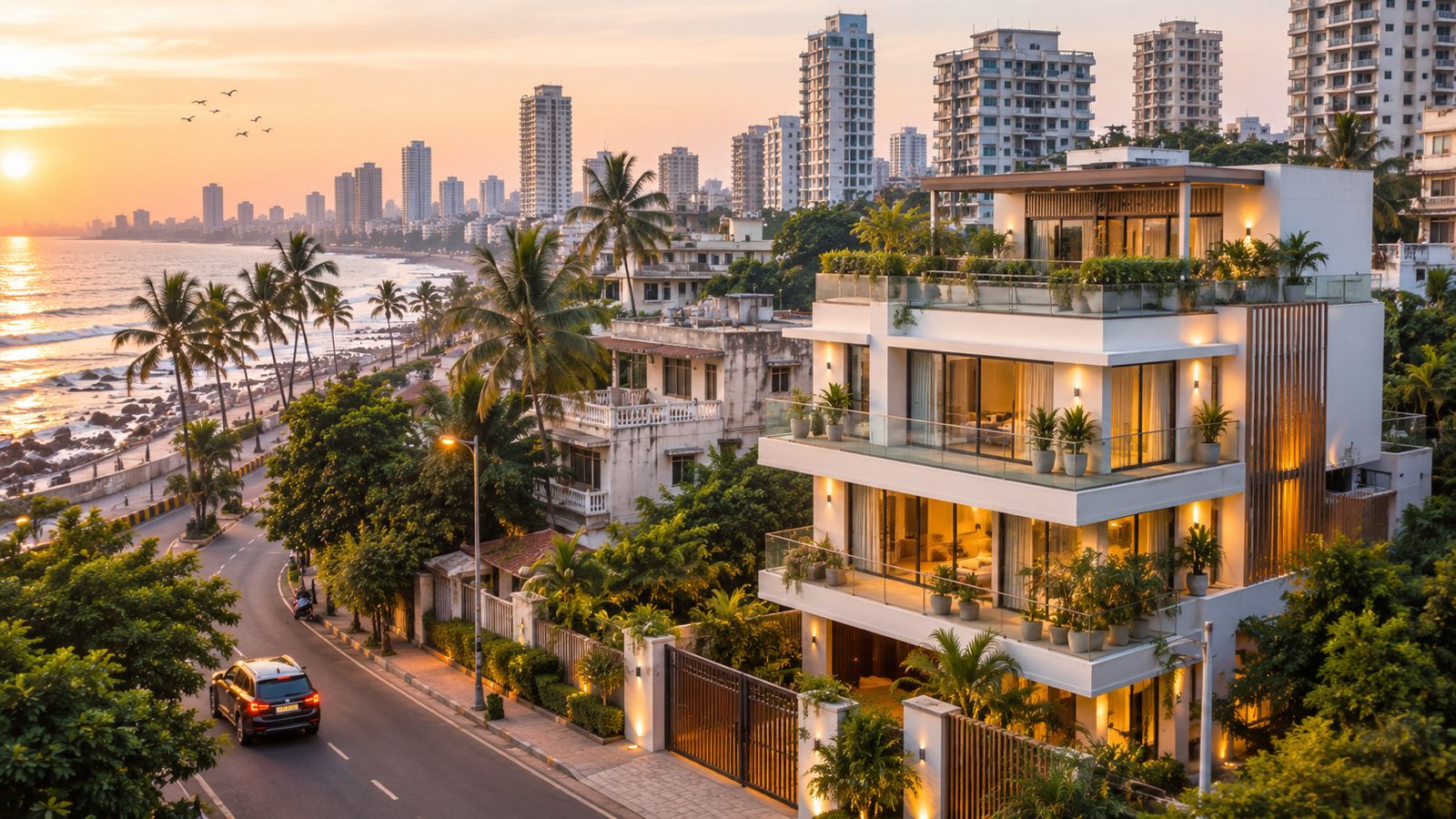
Premium locations such as Bandra West, Khar, Santacruz, Juhu, Lower Parel and Worli continue attracting buyers seeking lifestyle, connectivity and long-term capital appreciation.
Meanwhile, markets such as Andheri West, Goregaon, Powai, Wadala, Chembur, Mulund, Thane and Navi Mumbai are benefiting from improved infrastructure, redevelopment opportunities and comparatively better affordability, making them attractive to both end-users and long-term investors.
As connectivity continues improving, demand is likely to spread beyond traditional luxury markets into well-connected emerging residential corridors.
Does Record Registration Mean Property Prices Will Continue Rising?
Not necessarily.
High registration volumes indicate strong buyer confidence, but future price appreciation will depend on several additional factors including inventory levels, affordability, interest rates, new project launches and employment growth.
Markets with limited supply and sustained demand are likely to witness stronger appreciation than locations where new inventory enters rapidly.
For buyers, this reinforces the importance of selecting projects based on location quality, developer credibility, infrastructure potential and long-term liveability rather than short-term market sentiment.
What This Means for Homebuyers and Investors
The latest registration figures send a positive signal for Mumbai's residential market.
For end-users, they indicate continued confidence in owning property despite elevated prices. For investors, they reinforce Mumbai's position as one of India's most resilient housing markets, supported by land scarcity, economic activity and ongoing infrastructure upgrades.
However, buyers should avoid assuming that every micro-market will perform equally. Careful project selection, neighbourhood analysis and long-term investment planning remain essential.
As Mumbai evolves through redevelopment and infrastructure expansion, well-located residential assets are likely to remain among the city's strongest long-term wealth creators.
Expert View by Sandeep Sadh
The 13-year high in property registrations is more than just a statistical milestone—it reflects the growing maturity of Mumbai's residential market. Buyers today are making informed, long-term decisions backed by improved financing, infrastructure upgrades and confidence in established locations. While registrations demonstrate healthy market activity, investors should focus on fundamentals rather than headlines. Micro-market selection, redevelopment potential, connectivity and developer reputation will continue to be the key factors determining future appreciation. Mumbai remains a resilient real estate market, but successful investing will increasingly depend on buying the right property rather than simply buying into the market.