Ranbir Kapoor’s Mulshi Land Deal Shows Growing HNI Interest Near Mumbai
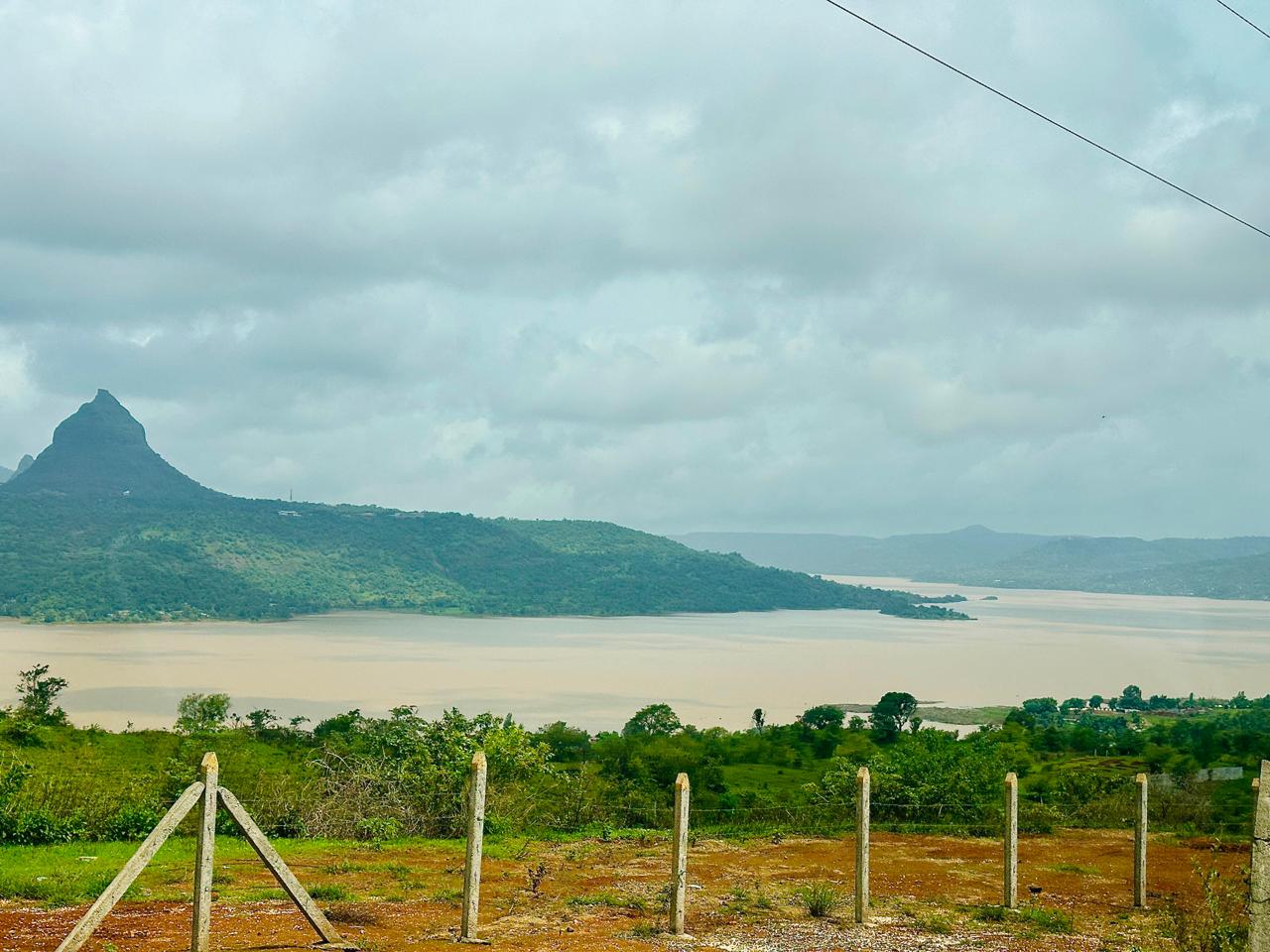
Ranbir Kapoor’s reported purchase of 25.7 acres of land in Mulshi, Pune, for Rs 16.42 crore has once again brought attention to a powerful real estate trend: India’s high-net-worth individuals, actors, entrepreneurs and legacy investors are increasingly diversifying into land around Mumbai.
The reported transaction includes multiple adjoining land parcels in Village Pimpri, Mulshi taluka, a region that sits within the larger Pune-Mumbai lifestyle investment belt. While the exact purpose of the acquisition has not been publicly confirmed, the location itself reflects a wider market movement.
For HNIs, land has always carried a different weight from built real estate. Apartments offer convenience, but land offers scarcity, flexibility and long-term legacy value. It can be held for appreciation, developed into a private estate, converted into a farmhouse, used for hospitality, or retained as a generational asset.
Around Mumbai, this shift is visible across micro-markets such as Alibaug, Lonavala, Pawna, Karjat, Khopoli and Mulshi. These destinations are no longer viewed only as weekend getaways. They are increasingly being seen as lifestyle-led investment corridors with strong appreciation potential.
Beyond appreciation, there is also a strong emotional and lifestyle value attached to such land. A farmhouse or private estate in a scenic belt like Mulshi, Pawna or Lonavala offers something Mumbai apartments often cannot: open views, cleaner air, quiet surroundings and a sense of peace, especially during the monsoons and winters. For families, it becomes more than a weekend home. It becomes a place of belonging, a retreat from city density and eventually a legacy asset.
“With hybrid work, AI-led businesses and better road infrastructure, the definition of luxury real estate is changing. For many HNIs, land around Mumbai is not just an investment; it is a lifestyle decision, a wellness decision and a legacy decision. If someone is considering a Rs 15-20 crore apartment in Mumbai but does not need to be in the city every day, owning a larger land parcel or estate in a growth corridor like Mulshi, Pawna, Alibaug or Lonavala can be a far more meaningful long-term choice,” says Sandeep Sadh, real estate expert and founder of Mumbai Property Exchange.
With AI-led businesses, hybrid work and work-from-home becoming more accepted, many HNIs no longer need to be in Mumbai every single day. If Navi Mumbai, the upcoming airport corridor and key business districts are accessible within a practical driving window depending on traffic and exact location, buying land or a developed estate in these regions can make strong sense. For someone considering a Rs 15-20 crore apartment in Mumbai, the alternative of owning a larger land parcel, farmhouse, villa, managed township home or plotted asset in these growth corridors is becoming increasingly compelling.
Improved connectivity has played a major role in this shift. Better roads, coastal access, new infrastructure links and growing hospitality activity have made these locations more accessible to Mumbai and Pune buyers. As travel time reduces, the value of low-density land parcels in scenic locations tends to rise.
The post-pandemic mindset has also changed luxury real estate demand. Space, privacy, greenery and wellness-led living have become important priorities for affluent buyers. For many HNIs, the question is no longer only where to live, but where to create a private retreat that also preserves and grows wealth.
Ranbir Kapoor’s Mulshi acquisition should therefore be seen as more than a celebrity purchase. It reflects a larger HNI strategy: diversify beyond city apartments, acquire scarce land in growth corridors, and hold assets that combine lifestyle value with capital appreciation.
For investors, however, land requires careful due diligence. Title clarity, zoning, access roads, agricultural permissions, development potential and local regulations must be checked thoroughly before any purchase.
The larger message is clear: for India’s wealthy, land remains one of the most trusted forms of long-term wealth. Buildings may age and trends may change, but well-located land near a growing urban corridor continues to hold enduring value.