252 Families to Receive Rehabilitation Homes Under GMLR Project
252 Families to Receive Rehabilitation Homes Under GMLR Project
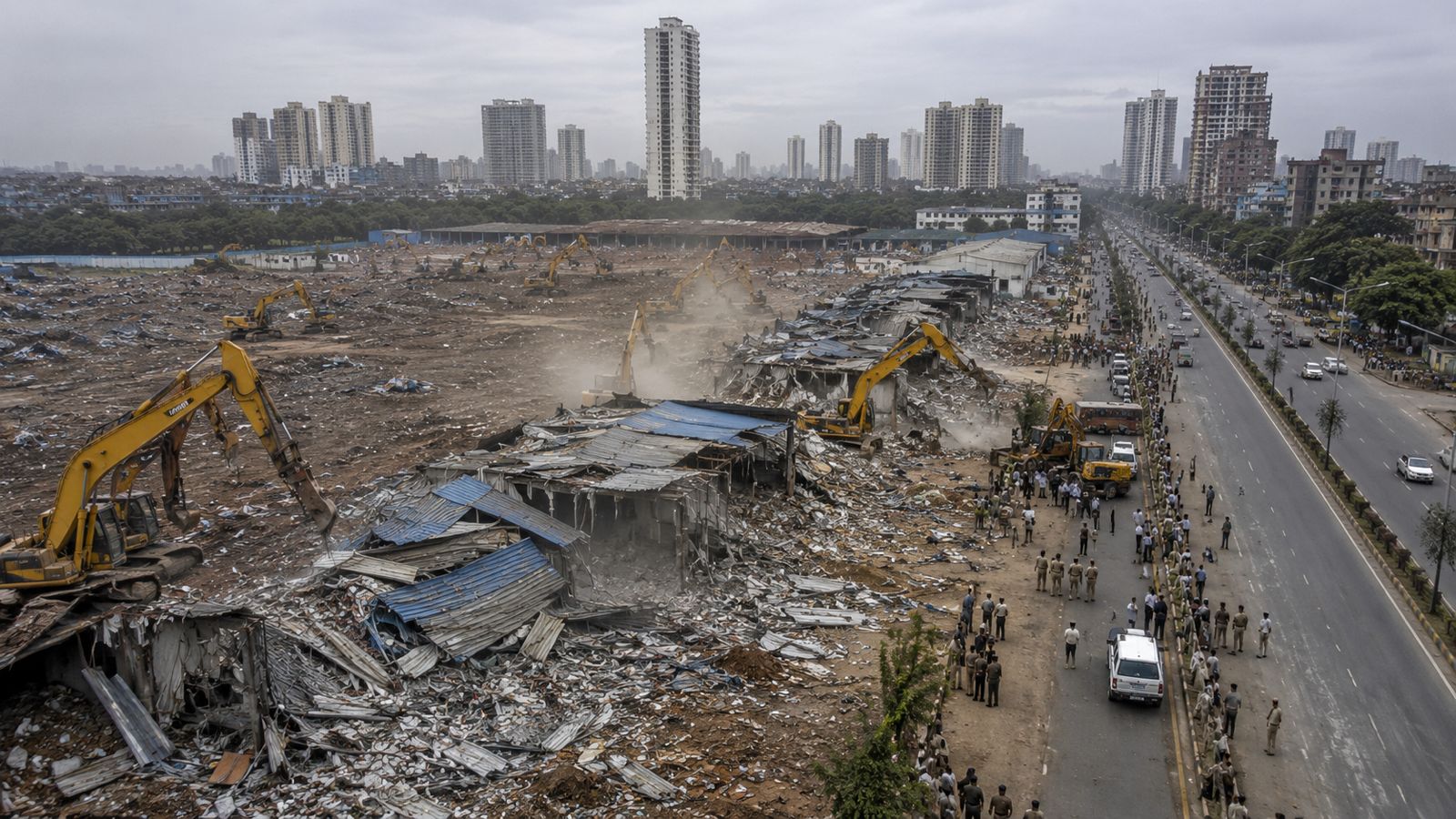
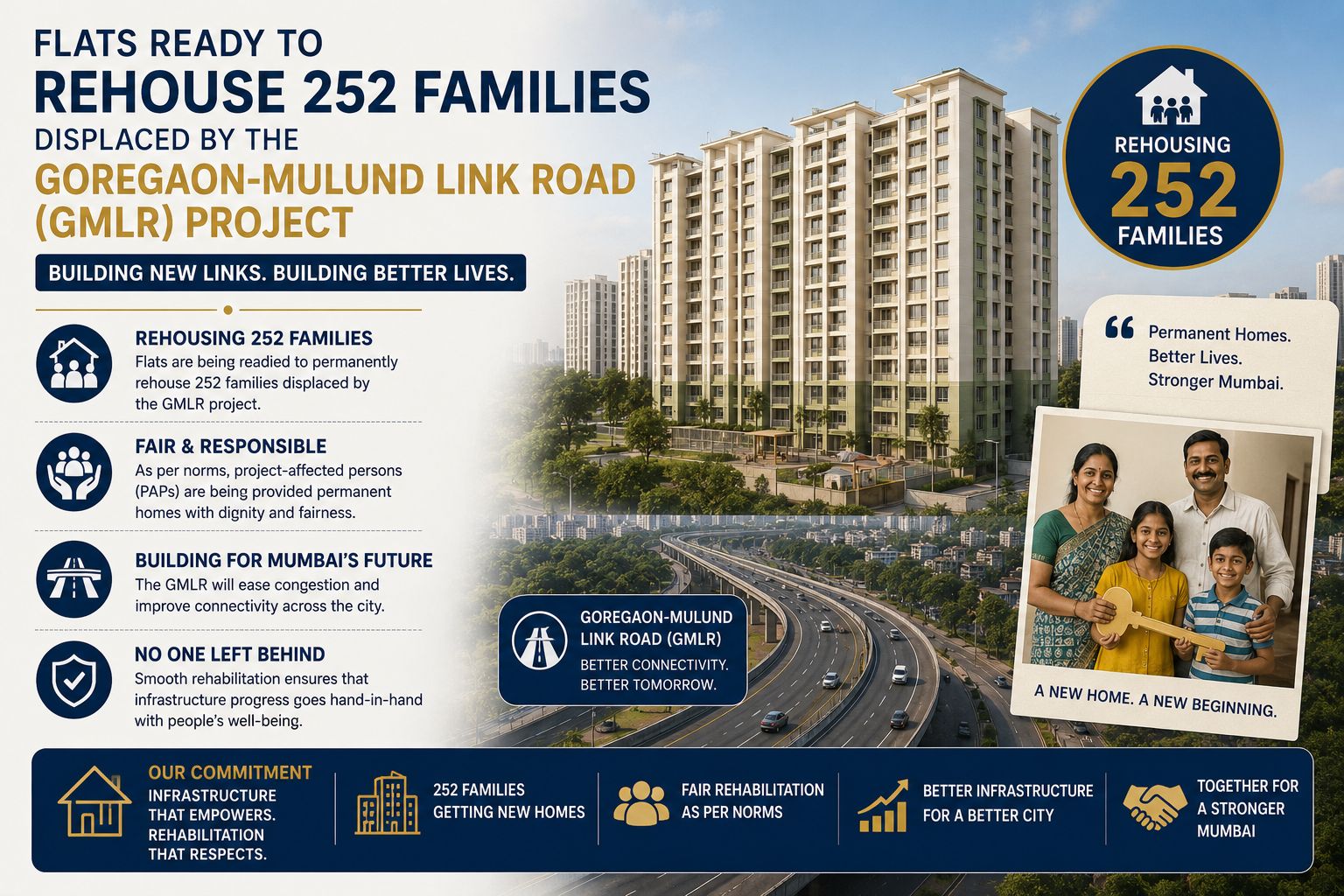
Flats are being readied to rehouse 252 families displaced by the Goregaon-Mulund Link Road (GMLR) project, marking an important step in the rehabilitation process associated with one of Mumbai's significant infrastructure initiatives. The move aims to ensure that project-affected persons (PAPs) are provided with permanent housing as the city moves forward with critical transport infrastructure development.
Large infrastructure projects often require land acquisition and relocation of residents. As a result, rehabilitation forms a crucial component of project execution, helping balance urban development with the needs of affected communities.
Why Rehabilitation Matters in Infrastructure Projects
Infrastructure projects such as roads, bridges, metro lines, and transport corridors are designed to improve connectivity and support urban growth. However, such developments can also impact existing residential communities that occupy the land required for construction.
Providing rehabilitation housing helps ensure that displaced residents are not left without adequate accommodation. It also enables authorities to move projects forward while addressing the social responsibilities associated with large-scale development.
The success of infrastructure projects is often measured not only by their engineering achievements but also by how effectively affected residents are rehabilitated.
The Role of Permanent Rehabilitation Housing
Permanent rehabilitation flats provide affected families with long-term housing security and stability. Unlike temporary arrangements, permanent homes allow residents to rebuild their lives with certainty and maintain access to essential services and community networks.
For project-affected persons, receiving a permanent home is often one of the most important milestones in the rehabilitation process. It demonstrates tangible progress and helps address concerns related to displacement and resettlement.
The preparation of flats for 252 families indicates movement towards fulfilling rehabilitation commitments linked to the project.
Why the Goregaon-Mulund Link Road Is Important
The Goregaon-Mulund Link Road is one of Mumbai's key connectivity projects aimed at improving east-west travel across the city. Improved transport links can reduce travel times, enhance accessibility, and support economic activity by connecting different parts of Mumbai more efficiently.
Major infrastructure investments often generate long-term benefits for residents, businesses, and the broader economy. However, achieving these outcomes requires careful planning and execution, including effective rehabilitation measures for those affected by development activities.
Ensuring that displaced residents are adequately rehoused remains an essential part of responsible infrastructure delivery.
What It Means for Mumbai's Future Development
As Mumbai continues to invest in roads, metro networks, and other public infrastructure, rehabilitation will remain a critical component of urban development. Successful resettlement programmes help maintain public confidence in infrastructure projects while ensuring that growth is inclusive.
For residents affected by large-scale projects, timely rehabilitation provides certainty and supports a smoother transition into new housing. For the city, it helps ensure that important infrastructure projects can progress without leaving communities behind.
Expert View
"Modern infrastructure and fair rehabilitation must go hand in hand. Successful urban development is not only about building roads and transport links but also about ensuring that affected families receive secure and dignified housing as part of the process." — Sandeep Sadh