BMC to Auction Prime Worli Plot with ₹455 Crore Base Price
BMC to Auction Prime Worli Plot with ₹455 Crore Base Price
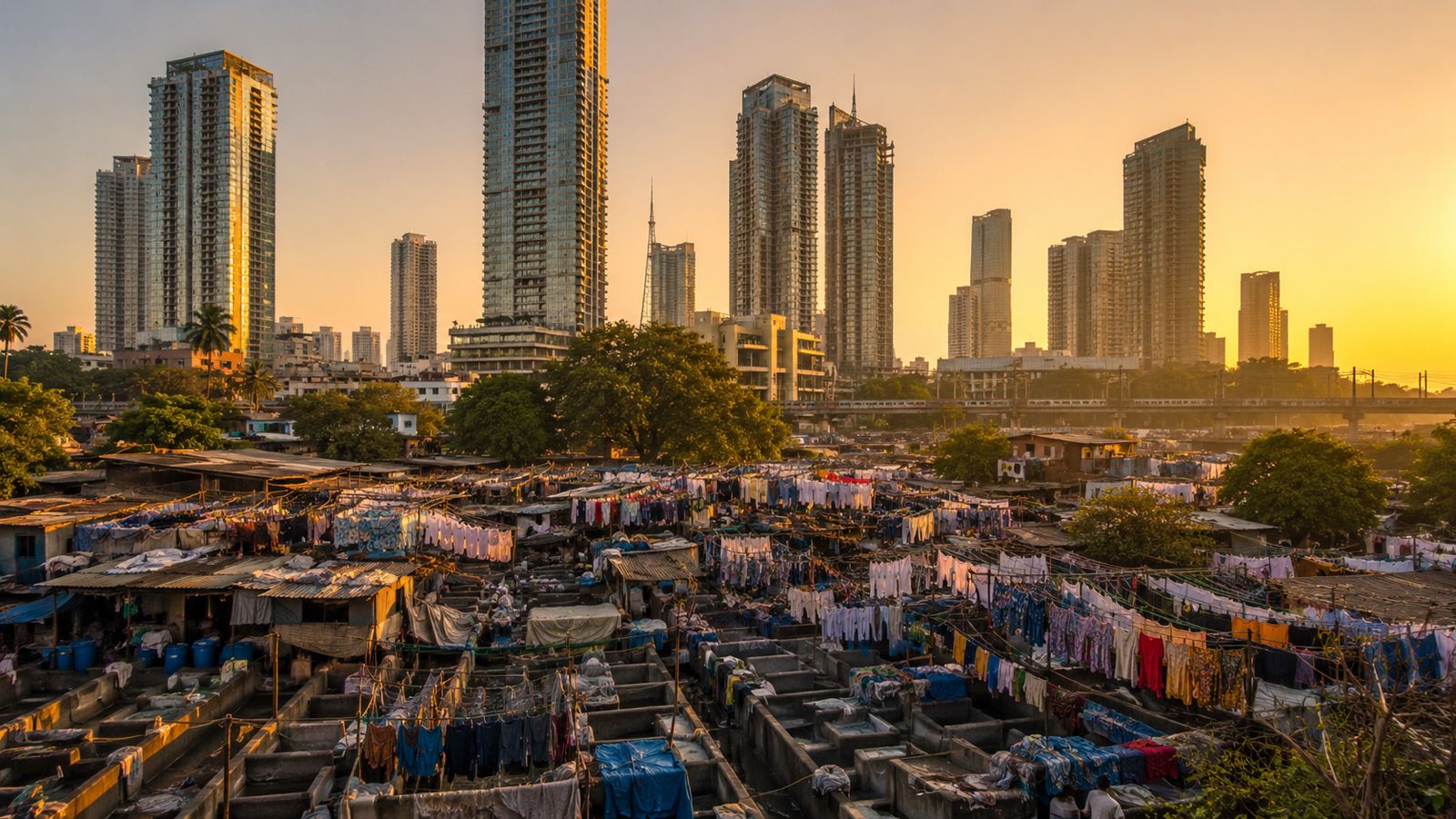
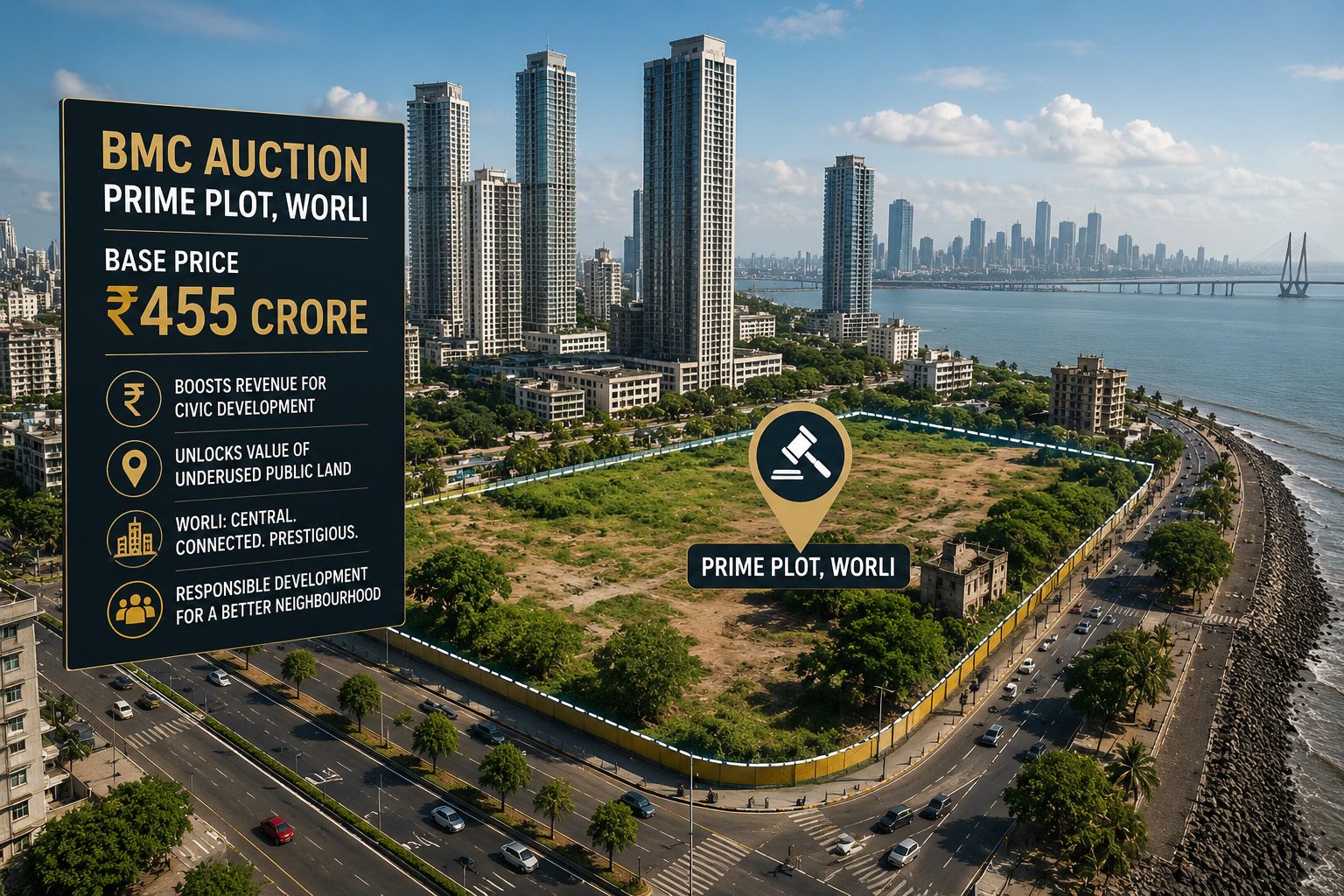
The Brihanmumbai Municipal Corporation (BMC) is set to auction a prime land parcel in Worli with a base price of around ₹455 crore. The proposed auction is expected to attract significant interest due to the location's strategic importance and the limited availability of large development opportunities in one of Mumbai's most sought-after neighbourhoods.
Public land auctions play an important role in urban development by unlocking the value of underutilised assets while generating revenue for civic authorities. In a city where developable land is scarce, well-located plots often command strong attention from developers, investors, and institutional buyers.
The Worli auction is therefore likely to be closely watched by the real estate sector as an indicator of market sentiment and development appetite.
Why Worli Remains One of Mumbai's Most Valuable Locations
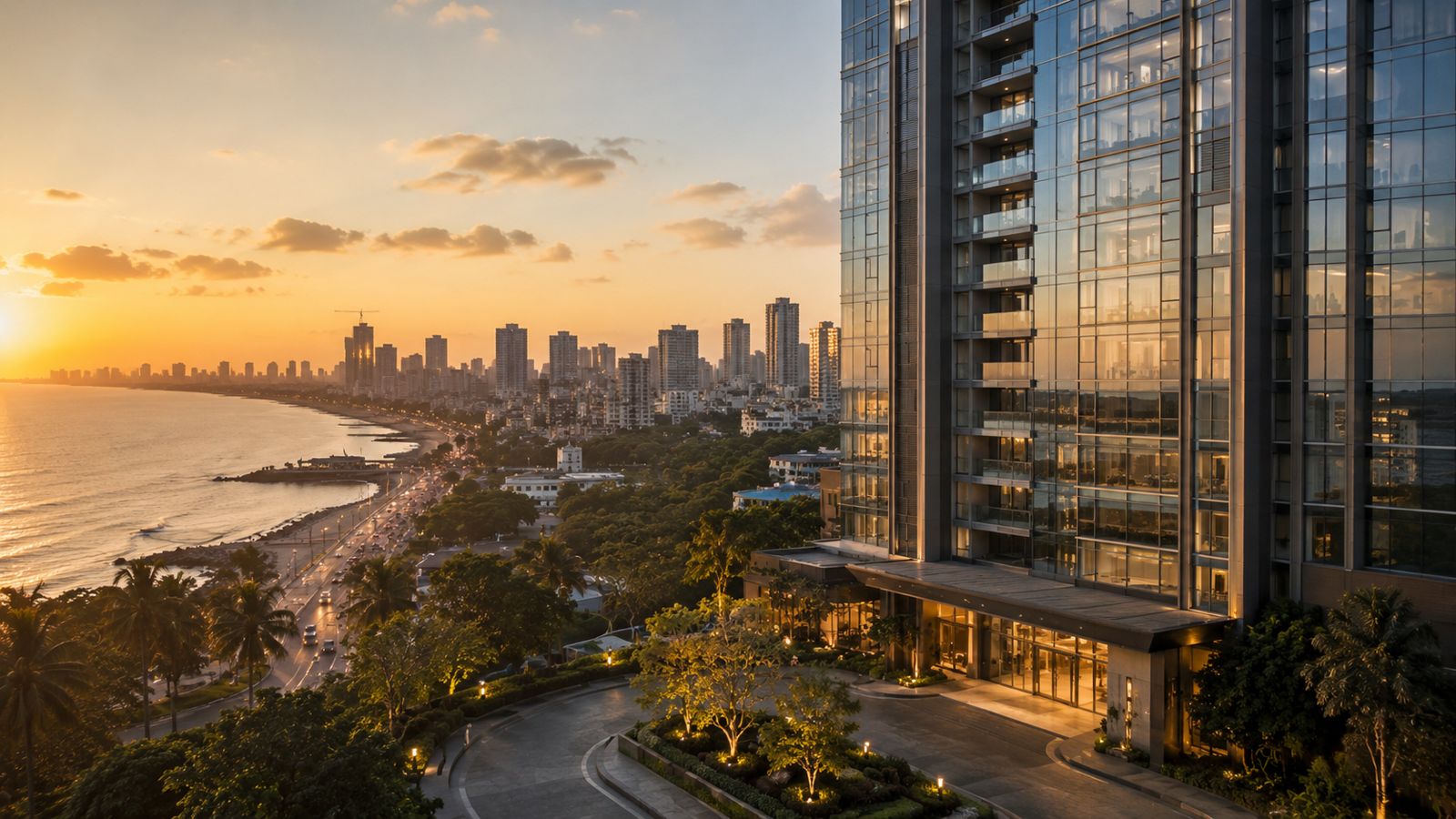
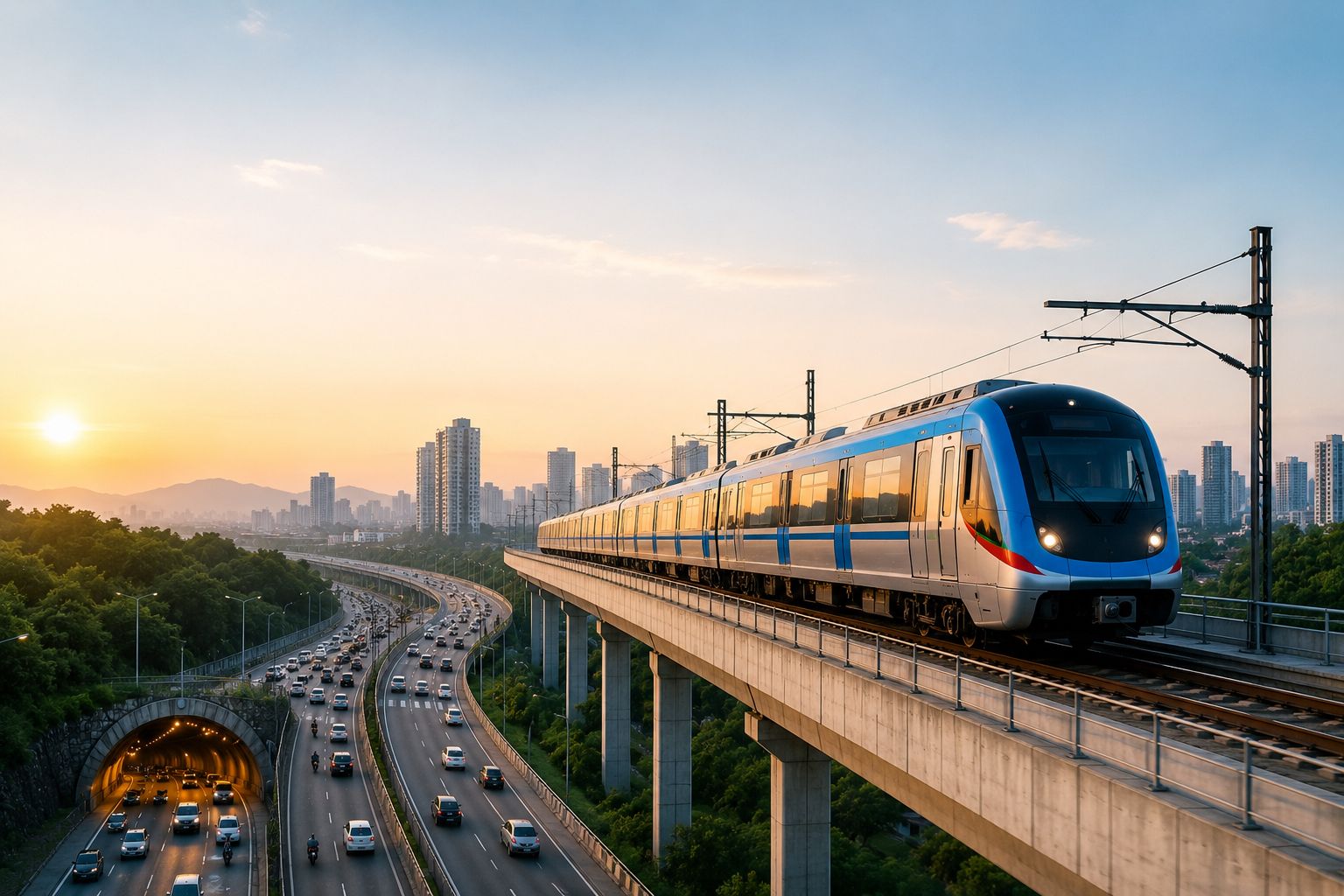
Worli occupies a unique position within Mumbai's urban landscape. Located in the heart of the city, the area benefits from strong connectivity, established social infrastructure, premium residential developments, and proximity to key commercial districts.
Over the years, Worli has emerged as one of Mumbai's most prestigious real estate destinations, attracting both luxury residential projects and high-value commercial developments. Its central location and access to major transport corridors have contributed to sustained demand from homebuyers, businesses, and investors.
As a result, land parcels in Worli are considered among the most valuable development opportunities in the city.
How Public Land Auctions Benefit the City
The auction of public land serves multiple purposes. Beyond generating revenue, it helps bring dormant or underutilised land into productive use, supporting urban renewal and economic activity.
Funds raised through such transactions can be utilised for civic infrastructure, public services, and city development initiatives. In a rapidly growing metropolis like Mumbai, additional revenue streams are important for supporting infrastructure upgrades and maintaining essential services.
Land auctions also help ensure that valuable urban assets contribute to the city's development rather than remaining unused for extended periods.
Potential Development Opportunities
A prime land parcel in Worli offers a range of potential development possibilities. Depending on planning permissions and future development proposals, such sites can accommodate residential, commercial, mixed-use, or integrated urban projects.
Given the locality's premium status, any future development is likely to attract considerable market attention. Large projects in established locations often have a significant impact on surrounding property values, infrastructure utilisation, and neighbourhood dynamics.
The eventual use of the land will therefore play an important role in shaping its long-term contribution to the area.
Impact on Mumbai's Real Estate Market
Land transactions and auctions are often viewed as indicators of developer confidence and future market activity. Strong participation in such auctions can signal confidence in long-term demand and the growth potential of premium locations.
For Mumbai's real estate market, the auction reinforces the continued value of strategically located urban land. It also demonstrates the importance of redevelopment and land optimisation in a city where expansion opportunities are increasingly limited.
The outcome of the auction will be closely monitored by market participants looking for insights into investment appetite and development trends in premium micro-markets.
Expert View
"Prime land in central Mumbai remains one of the most sought-after assets in the real estate sector. Public land auctions not only generate important revenue for civic authorities but also create opportunities for transformative developments that can shape neighbourhoods for decades. The eventual development of such sites often has a lasting impact on the surrounding urban environment." — Sandeep Sadh