BMC to Introduce Real-Time Tracking of Construction and Demolition Waste Across Mumbai
BMC to Introduce Real-Time Tracking of Construction and Demolition Waste Across Mumbai
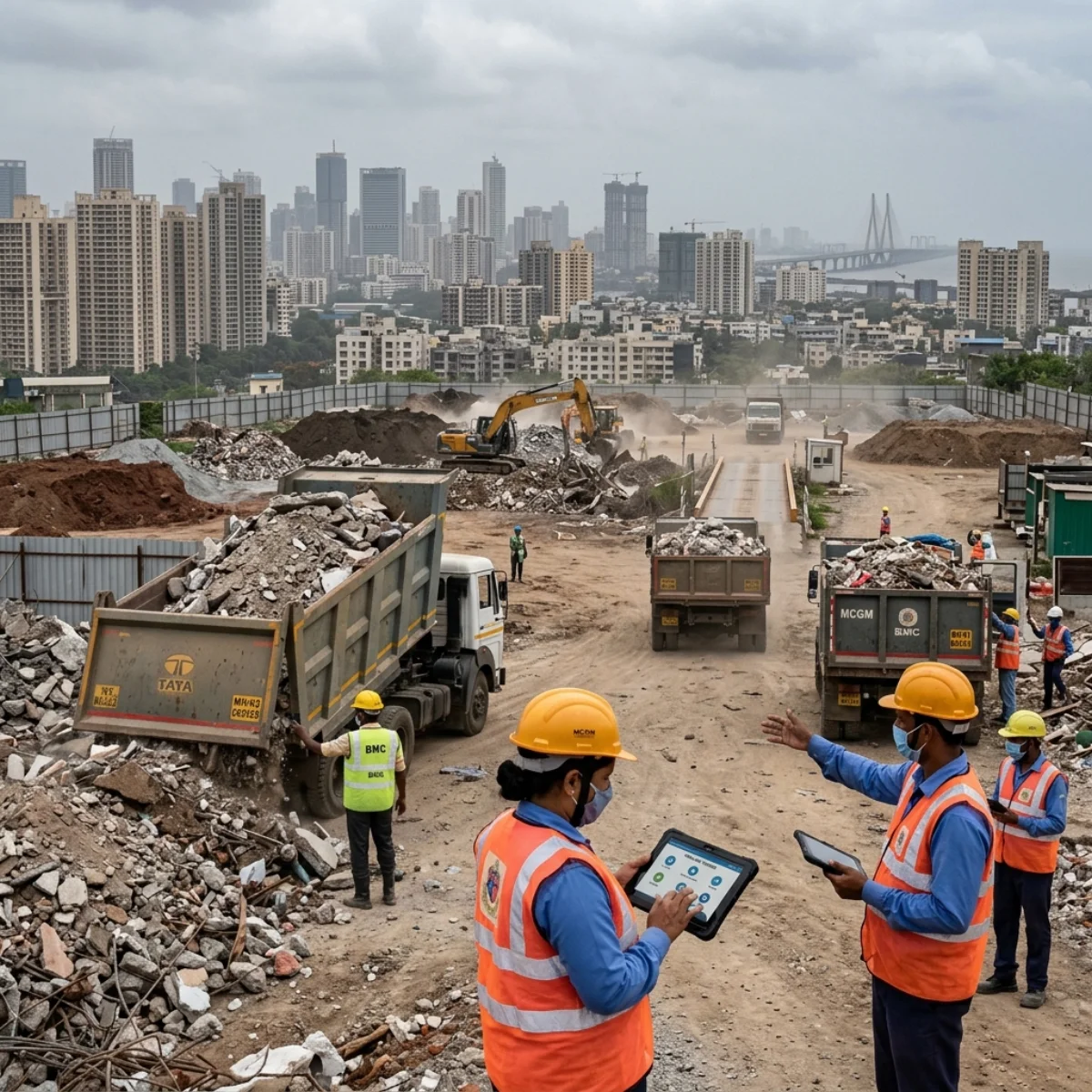
The Brihanmumbai Municipal Corporation (BMC) is preparing to roll out a real-time tracking system for construction and demolition (C&D) waste generated across Mumbai. The initiative is designed to monitor the movement, transportation, and disposal of construction debris, bringing greater transparency and accountability to one of the city's most significant urban management challenges.
Mumbai's real estate market is currently witnessing extensive redevelopment activity, infrastructure expansion, and new project launches across multiple locations. While this growth is contributing to housing supply and urban renewal, it is also generating large volumes of construction waste that require proper handling and disposal.
The proposed tracking mechanism is expected to strengthen oversight while helping authorities ensure that debris generated from construction sites reaches designated disposal facilities through authorised channels.
Why Construction Waste Management Has Become Critical
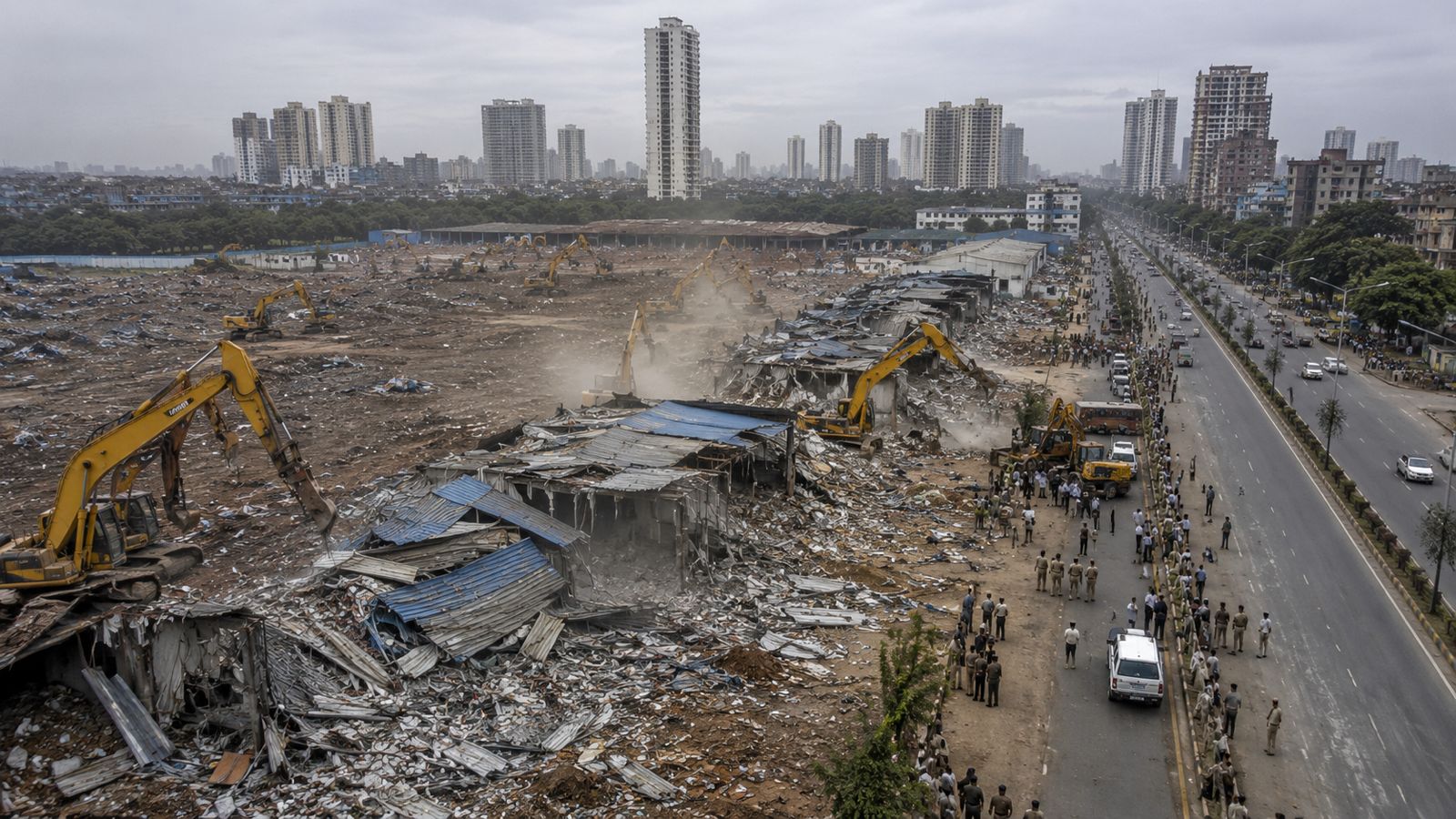
Construction and demolition waste is an inevitable by-product of redevelopment projects, road works, infrastructure upgrades, and new construction activity. In a city undergoing constant transformation, managing this waste efficiently has become increasingly important.
Improper disposal of debris can create multiple challenges, including blocked drainage systems, environmental degradation, traffic disruptions, and pressure on public spaces. Illegal dumping can also affect sensitive ecological zones and reduce the quality of urban environments.
As redevelopment accelerates across Mumbai, authorities are placing greater emphasis on ensuring that waste management practices keep pace with the city's construction activity.
How the Real-Time Tracking System Will Work
The proposed system aims to create a digital monitoring framework that tracks debris from the point of generation to its final disposal location. By maintaining records of transportation and disposal activities, authorities will be able to monitor compliance more effectively.
The initiative is expected to help establish greater accountability among stakeholders involved in construction activity, including developers, contractors, transport operators, and waste management agencies.
Digital tracking can also provide authorities with valuable data regarding waste generation patterns, disposal volumes, and compliance trends, supporting better planning and enforcement efforts.
Benefits for Mumbai's Environment
One of the primary objectives of the initiative is reducing illegal dumping and improving environmental protection. Construction waste that is disposed of improperly can have long-term consequences for urban ecosystems and public infrastructure.
By ensuring that debris is transported to authorised facilities, the city can improve waste processing efficiency and reduce the environmental impact of redevelopment and construction activity. Cleaner public spaces, better-managed disposal systems, and stronger environmental compliance can contribute to a healthier urban environment.
The initiative also aligns with broader efforts to make urban development more sustainable and environmentally responsible.
Impact on Developers and Construction Activity
Developers may be required to maintain more detailed records regarding waste generation and disposal as part of the monitoring framework. While this could increase compliance requirements, it may also create a more organised and transparent construction ecosystem.
As redevelopment projects continue to grow across Mumbai, structured waste management systems can help improve project accountability and reduce the risks associated with improper disposal practices.
The introduction of technology-driven monitoring reflects a broader trend towards digitisation and compliance-focused governance within the real estate sector.
Supporting Sustainable Urban Growth
Mumbai's future growth is expected to be driven largely by redevelopment and infrastructure-led development. As construction activity expands, effective management of associated waste will become an increasingly important component of urban planning.
A real-time tracking system can help balance the city's development ambitions with environmental responsibilities. By improving oversight and encouraging responsible practices, the initiative may contribute to cleaner neighbourhoods and more sustainable construction processes.
The move also positions Mumbai among cities exploring technology-driven solutions to address complex urban management challenges.
Expert View
"Construction and demolition waste management is becoming a critical issue as redevelopment activity accelerates across Mumbai. A real-time tracking system can improve accountability, reduce illegal dumping, and encourage more responsible construction practices. Technology-driven monitoring has the potential to create a cleaner and more sustainable development ecosystem while supporting the city's long-term growth objectives." — Sandeep Sadh