Oberoi Realty to Redevelop Land Parcel in Mumbai
Oberoi Realty to Redevelop Land Parcel in Mumbai
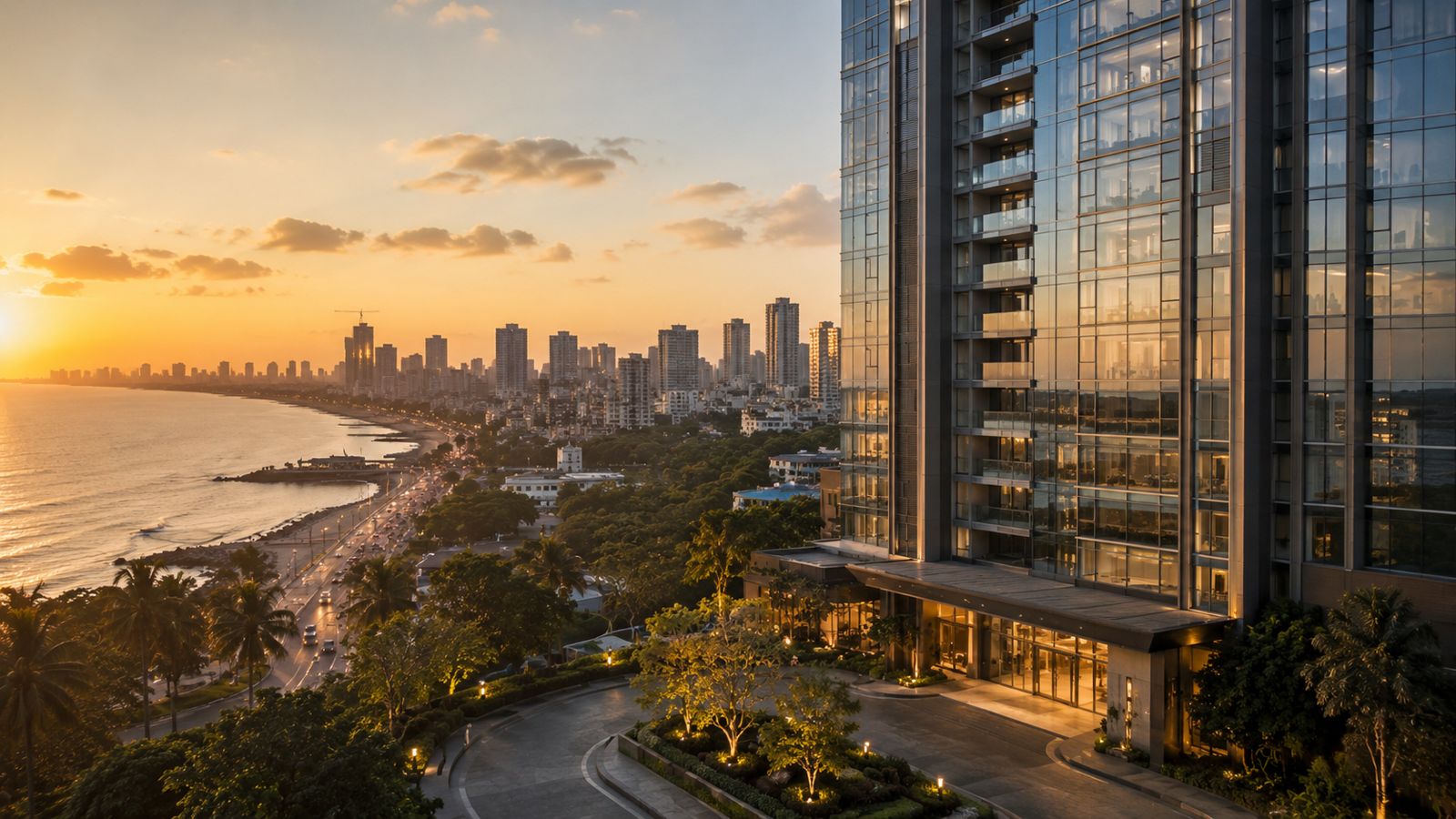
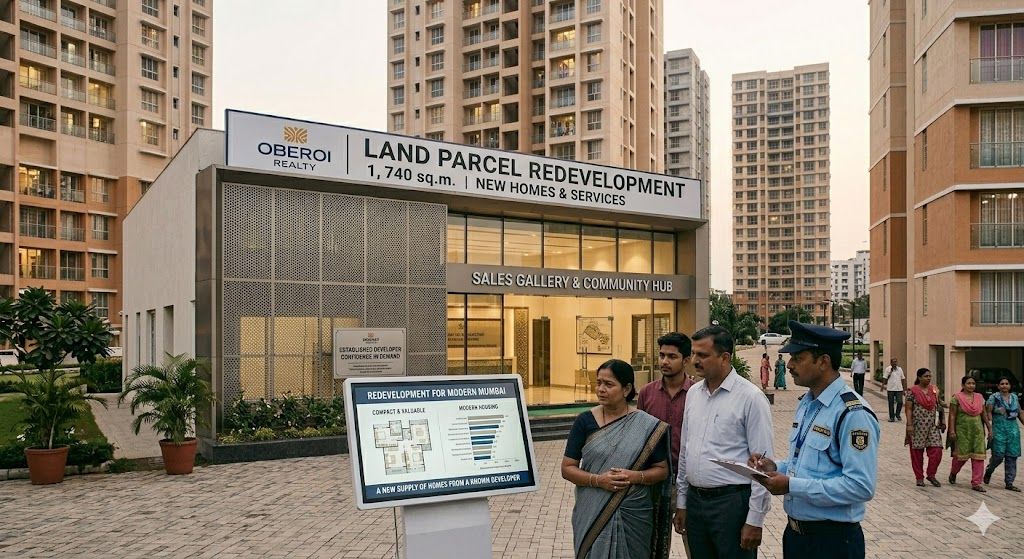
Oberoi Realty is set to redevelop a 1,740-square-metre land parcel in Mumbai, adding to the growing pipeline of redevelopment projects across the city. The development highlights the continuing importance of redevelopment as a key source of new real estate supply in one of India's most land-constrained property markets.
In Mumbai, where vacant land is increasingly scarce and expensive, redevelopment has become the primary route for creating modern residential and commercial developments. Projects involving even relatively compact land parcels can hold significant value because of their location, development potential, and ability to contribute fresh inventory to the market.
The latest redevelopment initiative reflects the sustained confidence developers continue to place in Mumbai's long-term real estate prospects.
Why Small Land Parcels Matter in Mumbai
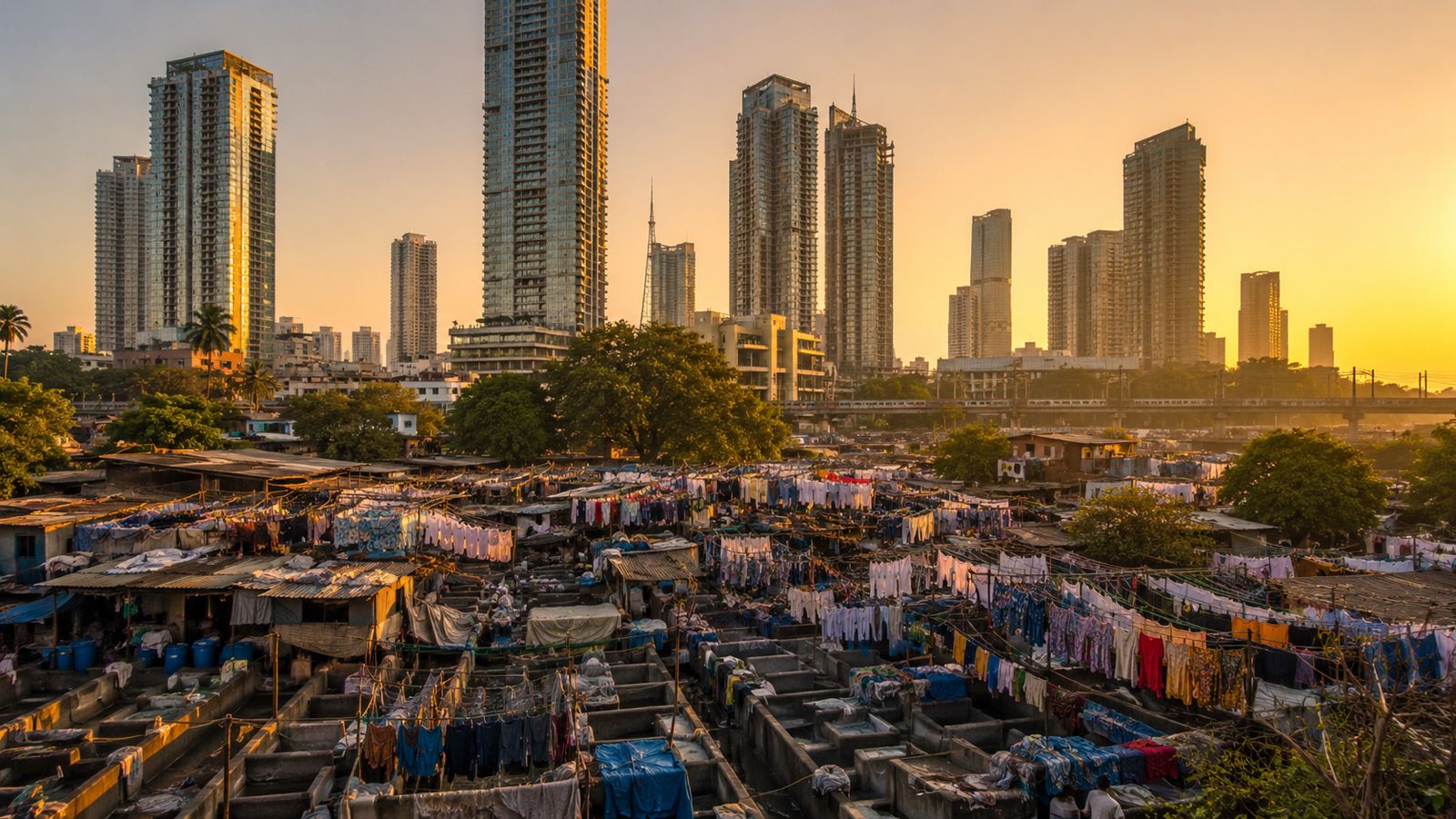
Unlike many expanding cities where large greenfield developments dominate growth, Mumbai's future is increasingly being shaped by redevelopment opportunities. Even modest-sized plots can support meaningful development because of the city's high land values and strong demand for quality real estate.
Redevelopment enables older or underutilised properties to be transformed into modern buildings that make more efficient use of available land. This process allows cities to create additional housing and commercial space without requiring major outward expansion.
As a result, parcels that may appear small by conventional standards often become strategically important development opportunities within Mumbai's urban landscape.
Redevelopment Remains the City's Growth Engine
Mumbai's limited availability of developable land has made redevelopment one of the most important pillars of the real estate sector. Ageing buildings, housing societies, and underutilised sites across the city are increasingly being identified for renewal and modernization.
Redevelopment projects not only improve the quality of the built environment but also contribute to increasing housing supply in established neighbourhoods. Existing residents often benefit from upgraded homes and better infrastructure, while additional units created through redevelopment help meet market demand.
This model has become essential for supporting Mumbai's future growth without placing additional pressure on land resources.
What It Means for Homebuyers
For buyers, redevelopment projects often create opportunities to purchase newly constructed homes in well-established locations where fresh land development is limited. These projects typically benefit from existing social infrastructure, connectivity, and neighbourhood amenities that have developed over decades.
The involvement of established developers can also provide greater confidence regarding project execution, construction quality, and long-term maintenance standards. In a market where buyers increasingly prioritise credibility and timely delivery, projects undertaken by experienced developers tend to attract strong interest.
The addition of new housing inventory also contributes to greater choice for end-users and investors evaluating opportunities in Mumbai.
Confidence in Mumbai's Long-Term Demand
The continued participation of major developers in redevelopment projects demonstrates confidence in Mumbai's enduring demand fundamentals. Despite challenges such as limited land supply and high development costs, the city continues to attract investment because of its economic importance, employment opportunities, and sustained housing demand.
Redevelopment activity remains a key indicator of this confidence. Developers are increasingly willing to invest in transforming existing sites because they recognise the long-term value of well-located urban land.
As redevelopment continues to shape Mumbai's future, projects such as this contribute to the steady evolution of the city's residential and commercial landscape.
Expert View
"Redevelopment is increasingly defining Mumbai's real estate future. Even relatively compact land parcels can create meaningful development opportunities when located in established urban areas. The continued participation of experienced developers reflects confidence in the city's long-term demand and growth potential." — Sandeep Sadh