Rising Institutional Investments Could Strengthen Mumbai’s Commercial Real Estate Market
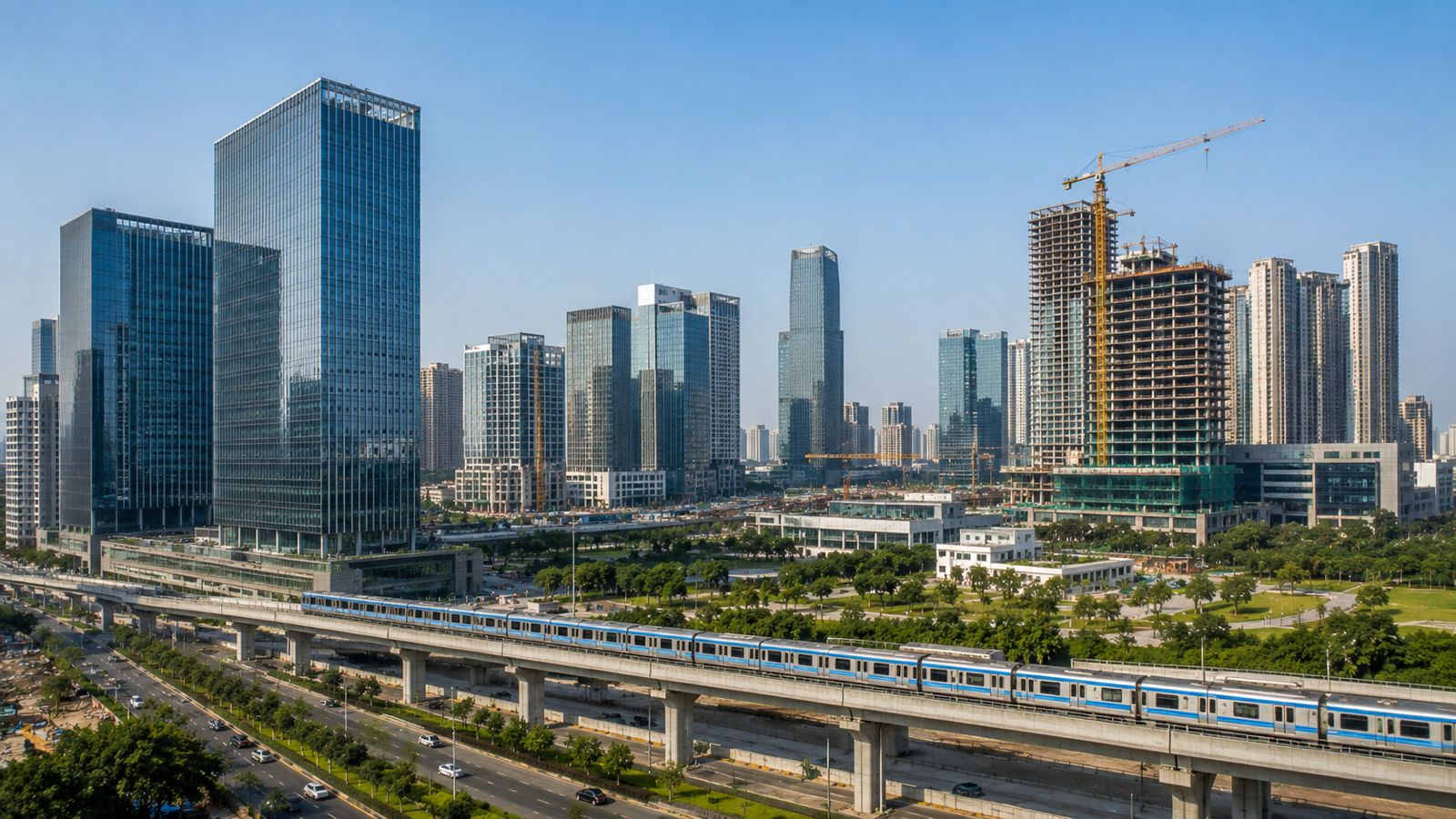
India's real estate sector has demonstrated remarkable resilience despite global economic uncertainty, with institutional investments increasing by 23% during the first half of 2026. Strong domestic capital helped offset softer foreign investment, while the office segment emerged as the biggest recipient of institutional funding.
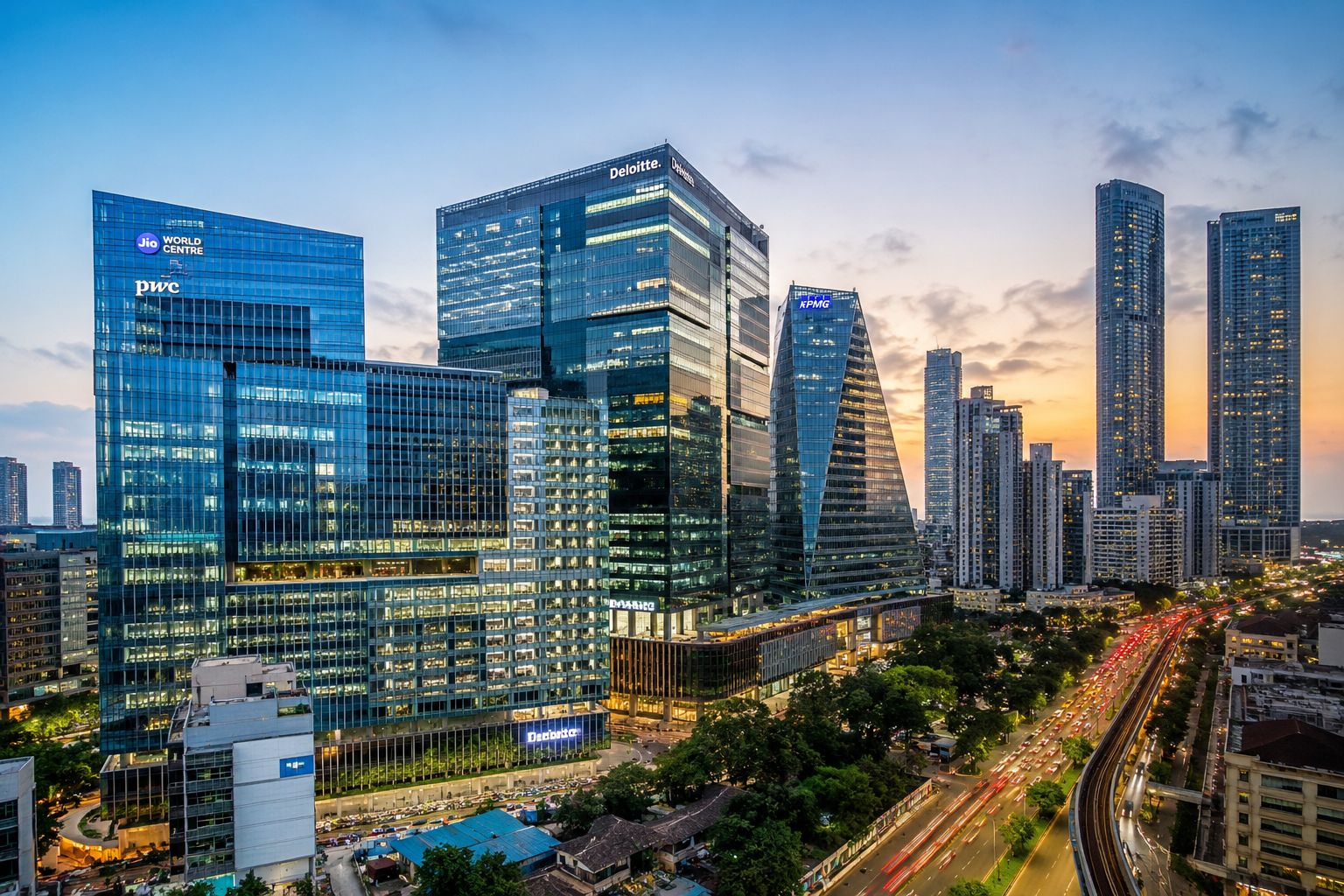
Although the figures represent a national trend, Mumbai is expected to remain one of the largest beneficiaries due to its position as India's financial capital and one of the country's most active commercial real estate markets. Institutional capital generally seeks stable, income-generating assets, making Mumbai's office, mixed-use and redevelopment opportunities increasingly attractive.
Why Are Institutional Investors Increasing Their Exposure?
Large domestic investors are displaying greater confidence in Indian real estate despite global volatility. Stable rental yields, improving infrastructure, strong office leasing activity and growing demand for Grade A commercial assets continue attracting long-term capital.
The office sector has remained the preferred investment destination because multinational companies, GCCs, financial institutions and technology firms continue expanding across India's major business cities.
Why Mumbai Could Be One of the Biggest Winners
Mumbai remains India's largest commercial property market, making it a natural destination for institutional investment.
Business districts including Bandra-Kurla Complex (BKC), Lower Parel, Worli, Andheri East, Powai, Vikhroli, Navi Mumbai and Thane are likely to remain attractive due to strong occupier demand, modern office supply and improving connectivity through Metro expansion and infrastructure upgrades.
As institutional investment increases, these micro-markets could witness higher office absorption, stronger rental growth and continued capital appreciation.
What Does This Mean for Homebuyers?
Commercial investment often creates indirect benefits for the residential market.
As businesses expand and employment increases, demand for nearby housing generally follows. Professionals working in BKC, Lower Parel, Powai and Andheri East may continue driving demand for both ownership and rental housing.
Neighbourhoods with excellent connectivity and mixed-use developments could experience stronger long-term residential demand.
Which Developers Could Benefit?
Developers with substantial commercial portfolios are likely to gain the most from rising institutional investments.
K Raheja Corp, Oberoi Realty, Lodha, Hiranandani Group, Shapoorji Pallonji Real Estate and other developers with premium office assets or mixed-use projects may benefit from stronger investor interest and improved opportunities to monetize commercial properties.
India's listed office REIT platforms—including Embassy Office Parks REIT, Mindspace Business Parks REIT and Brookfield India REIT—could also continue expanding as institutional demand for income-generating commercial assets grows.
How Will Infrastructure Influence Future Investments?
Institutional investors increasingly evaluate infrastructure before deploying capital.
Metro expansion, the Coastal Road, Mumbai Trans Harbour Link, Navi Mumbai International Airport and ongoing redevelopment projects continue improving accessibility across the Mumbai Metropolitan Region.
Better connectivity strengthens commercial viability while creating new opportunities for office developments, business parks and integrated townships.
Who Gains the Most?
Homebuyers: Better employment opportunities and stronger residential demand.
Developers: Increased access to institutional funding and commercial asset monetization.
Investors: Stable rental income and long-term capital appreciation.
Businesses: Greater availability of Grade A office space in well-connected locations.
Mumbai: Continued infrastructure-led urban growth and higher investment confidence.
Challenges That Still Exist
Despite strong investment momentum, global economic uncertainty, inflation, interest rate movements and geopolitical developments could continue influencing foreign capital flows.
However, the growing participation of domestic institutional investors provides greater stability, reducing dependence on overseas investment and strengthening the long-term outlook for India's property market.
Long-Term Outlook
The latest investment figures indicate that institutional investors increasingly view Indian real estate as a resilient long-term asset class.
For Mumbai, this means stronger confidence in commercial office markets, greater redevelopment opportunities, continued REIT expansion and sustained demand for premium mixed-use developments. If infrastructure projects continue progressing and office leasing remains healthy, Mumbai is well positioned to attract a significant share of future institutional capital.
Sandeep Sadh’s View
"Institutional capital follows cities that offer long-term stability, quality infrastructure and strong occupier demand. Mumbai continues to tick all three boxes. As domestic investment becomes more dominant, the city's commercial corridors and redevelopment-led growth story are likely to become even stronger over the next few years."