Three Mega Slum Redevelopments Could Reshape Mumbai’s Property Market
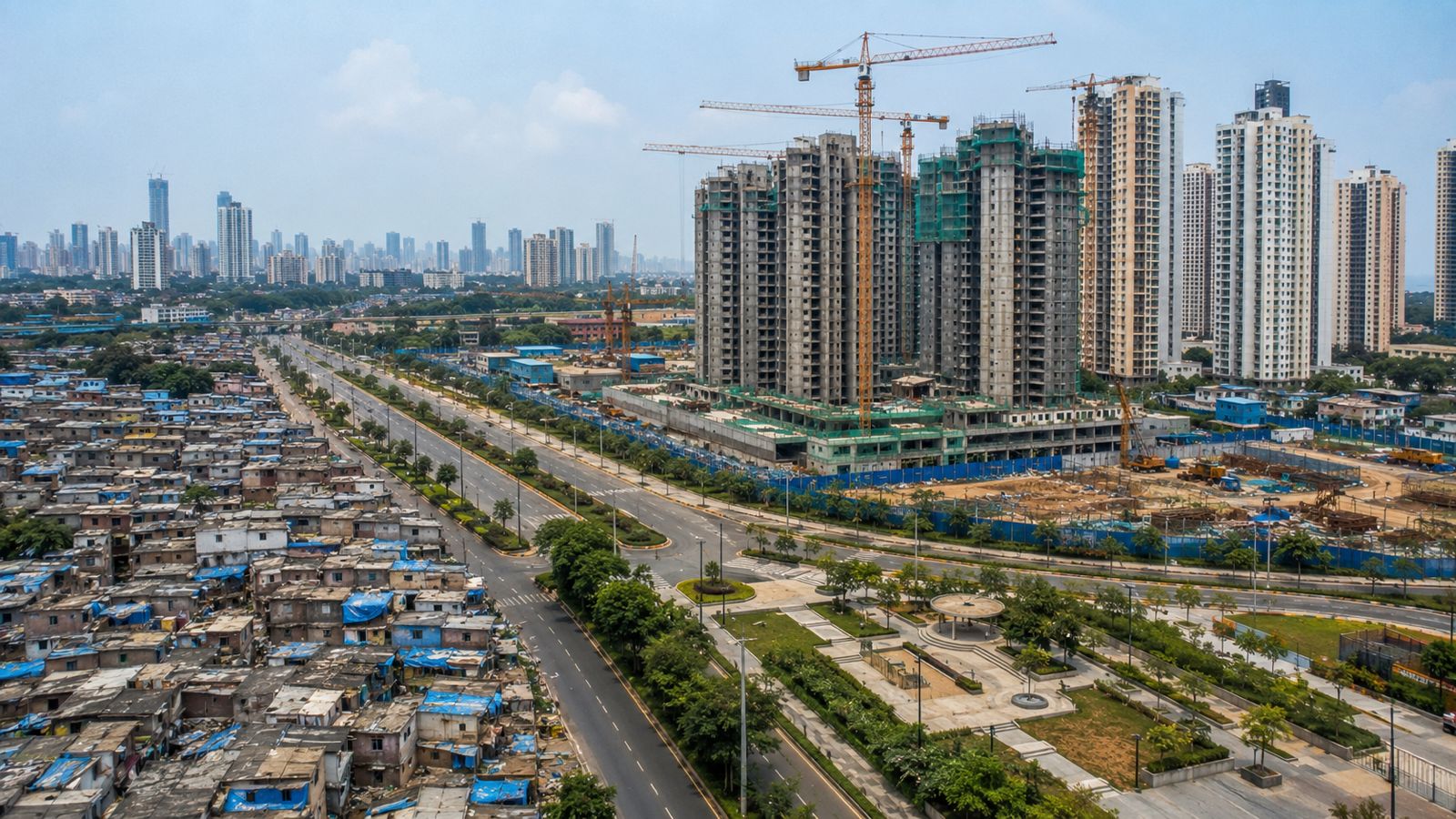
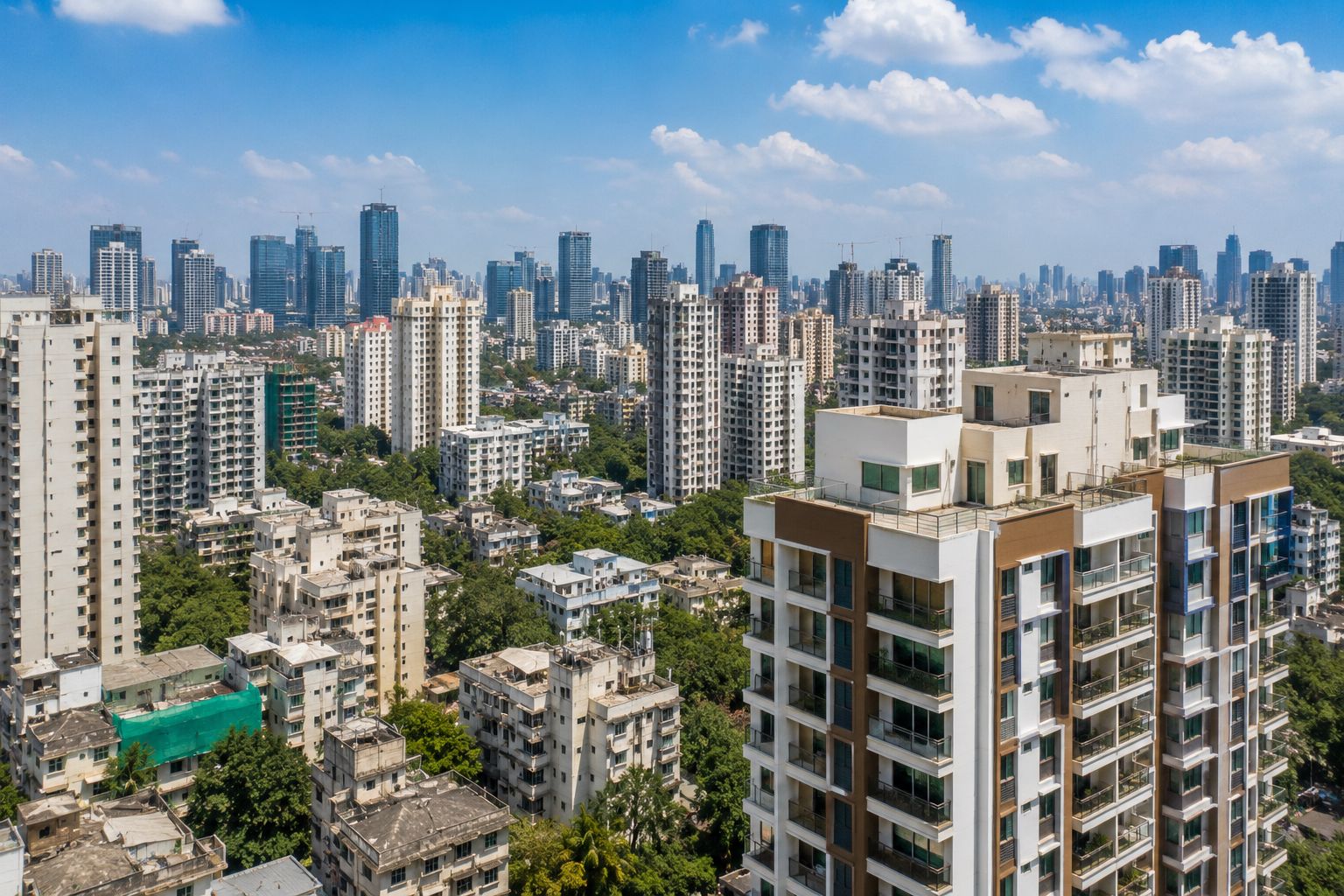
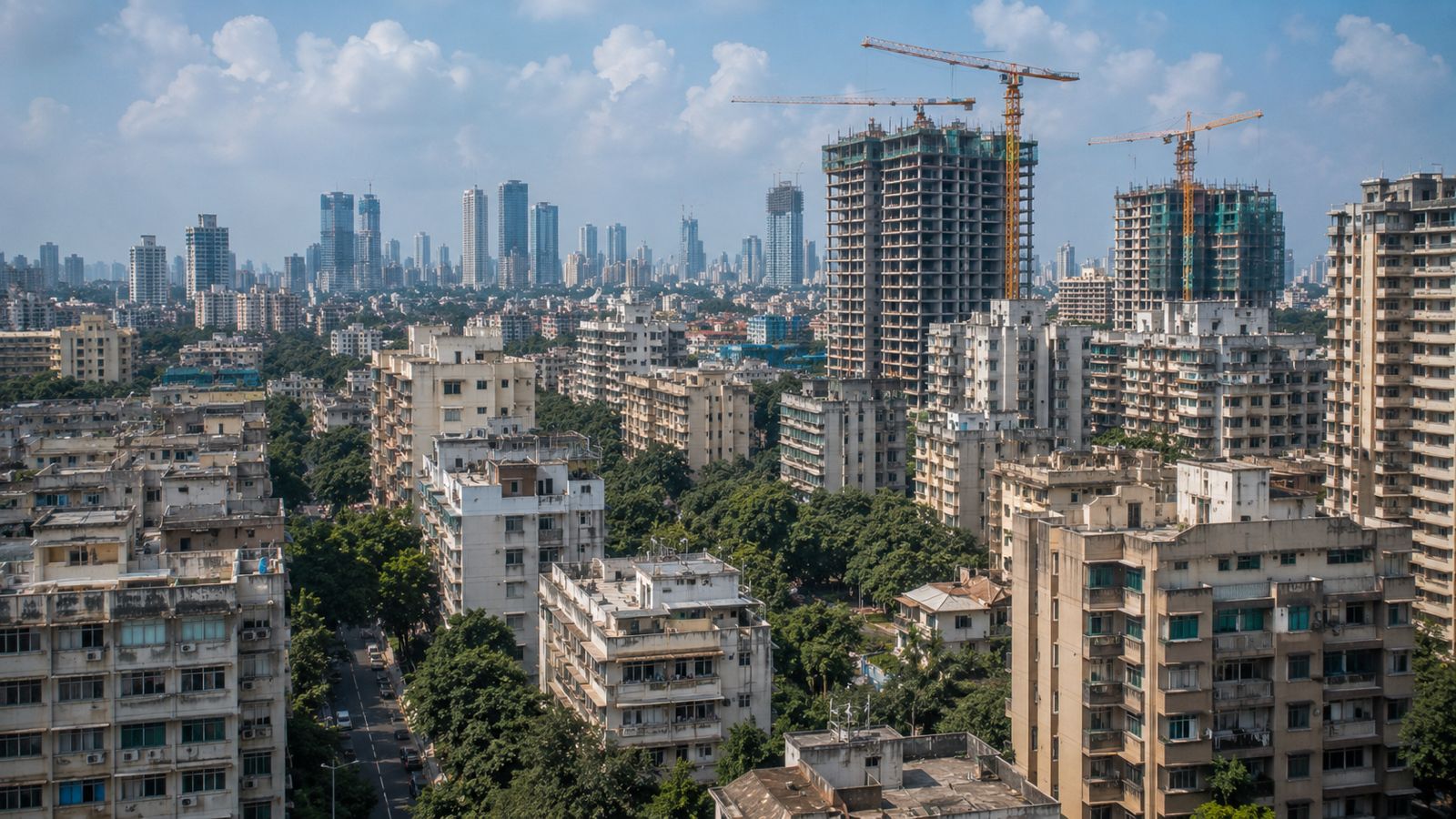
Mumbai's redevelopment story is entering another significant phase as three of the city's largest slum clusters have been identified for large-scale redevelopment. The proposed transformation of Antop Hill in Wadala, Majaswadi in Jogeshwari East and Behrampada in Bandra East marks another step in the city's shift towards cluster-based urban renewal.
Together, these projects cover more than 850 acres and have the potential to transform some of Mumbai's most densely populated neighbourhoods into planned residential communities supported by improved infrastructure and public amenities. More importantly, they reinforce redevelopment as one of the city's primary growth engines at a time when vacant land remains scarce.
Mumbai's Next Redevelopment Hotspots
Each of the three locations occupies a strategically important position within Mumbai.
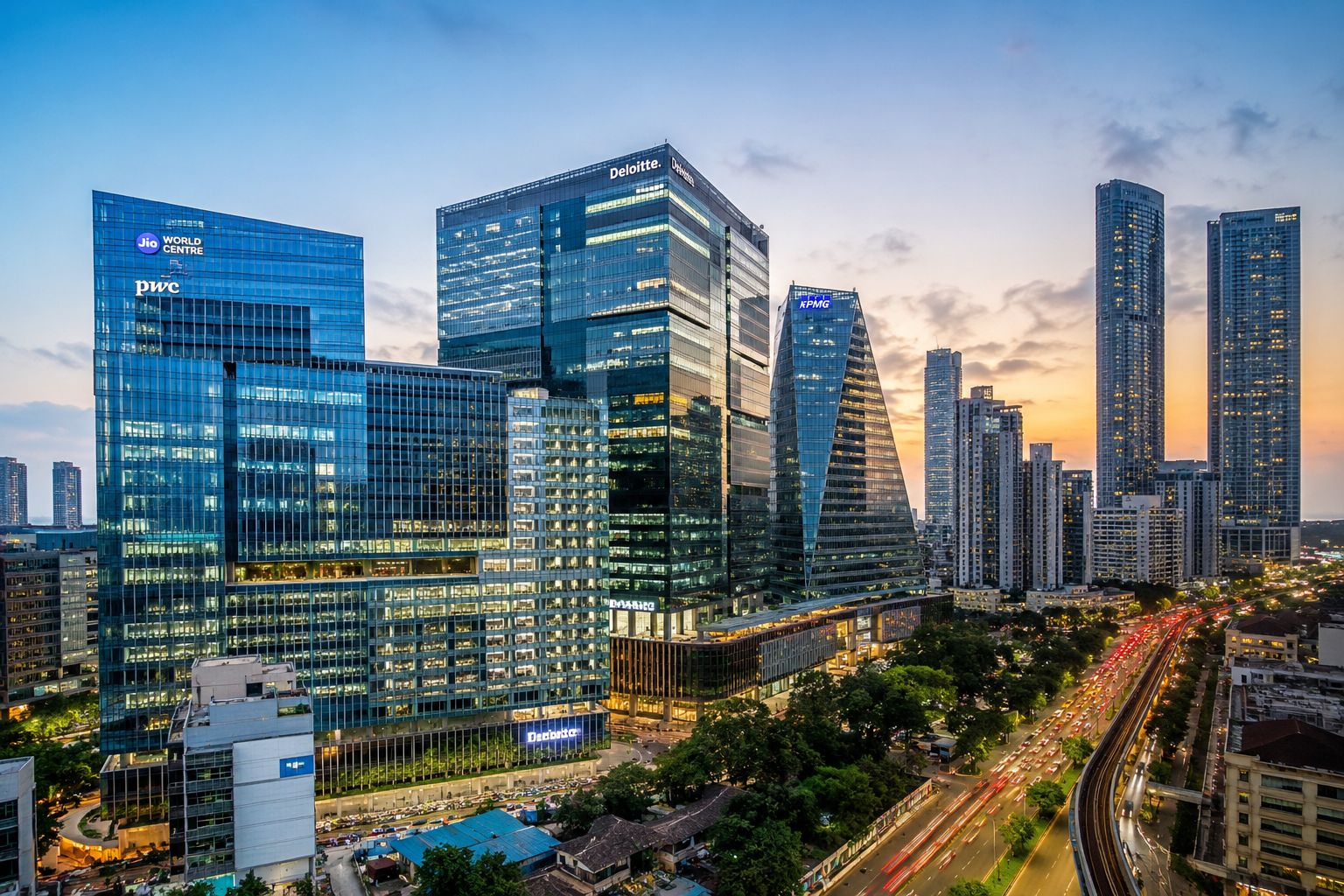
Antop Hill in Wadala sits close to major infrastructure projects and rapidly developing residential corridors. Majaswadi in Jogeshwari East benefits from excellent road connectivity and proximity to employment hubs across the western suburbs. Behrampada in Bandra East is located near one of Mumbai's most valuable commercial districts and transport networks.
The redevelopment of these large land parcels could significantly improve the overall urban landscape of central, eastern and western Mumbai.
Which Areas Could See the Biggest Impact?
The immediate beneficiaries are likely to include Wadala, Sion, Sewri, Matunga, Chembur, Jogeshwari East, Goregaon East, Andheri East, Bandra East and the Bandra-Kurla Complex (BKC).
Improved infrastructure and planned redevelopment often create a ripple effect beyond the project boundaries. As surrounding neighbourhoods become more organised and accessible, nearby residential markets may witness stronger buyer demand, improved rental activity and better long-term capital appreciation.
Housing Supply and Homebuyer Opportunities
Cluster redevelopment allows authorities to redesign entire neighbourhoods rather than isolated plots. This creates opportunities for wider roads, better drainage, public amenities, open spaces and modern residential buildings.
For homebuyers, this could gradually increase the availability of planned housing in well-connected locations where fresh supply has traditionally remained limited.
The redevelopment model also has the potential to improve the overall quality of urban living while supporting Mumbai's growing housing demand.
Developers That Could Benefit
Large-scale cluster redevelopment is increasingly attracting participation from major real estate companies.
Following strong interest in recent redevelopment projects, developers such as Reliance 4IR Realty, Adani Properties, Shapoorji Pallonji Real Estate, JSW Realty, Oberoi Realty, Lodha, K Raheja Corp and other established Mumbai developers could benefit as more redevelopment opportunities emerge across the city.
The availability of larger contiguous land parcels also makes cluster redevelopment commercially more viable than fragmented redevelopment projects.
Infrastructure Will Shape Long-Term Growth
Redevelopment today is no longer limited to constructing new buildings. Successful cluster projects integrate housing with roads, utilities, open spaces, schools, healthcare facilities and public transport.
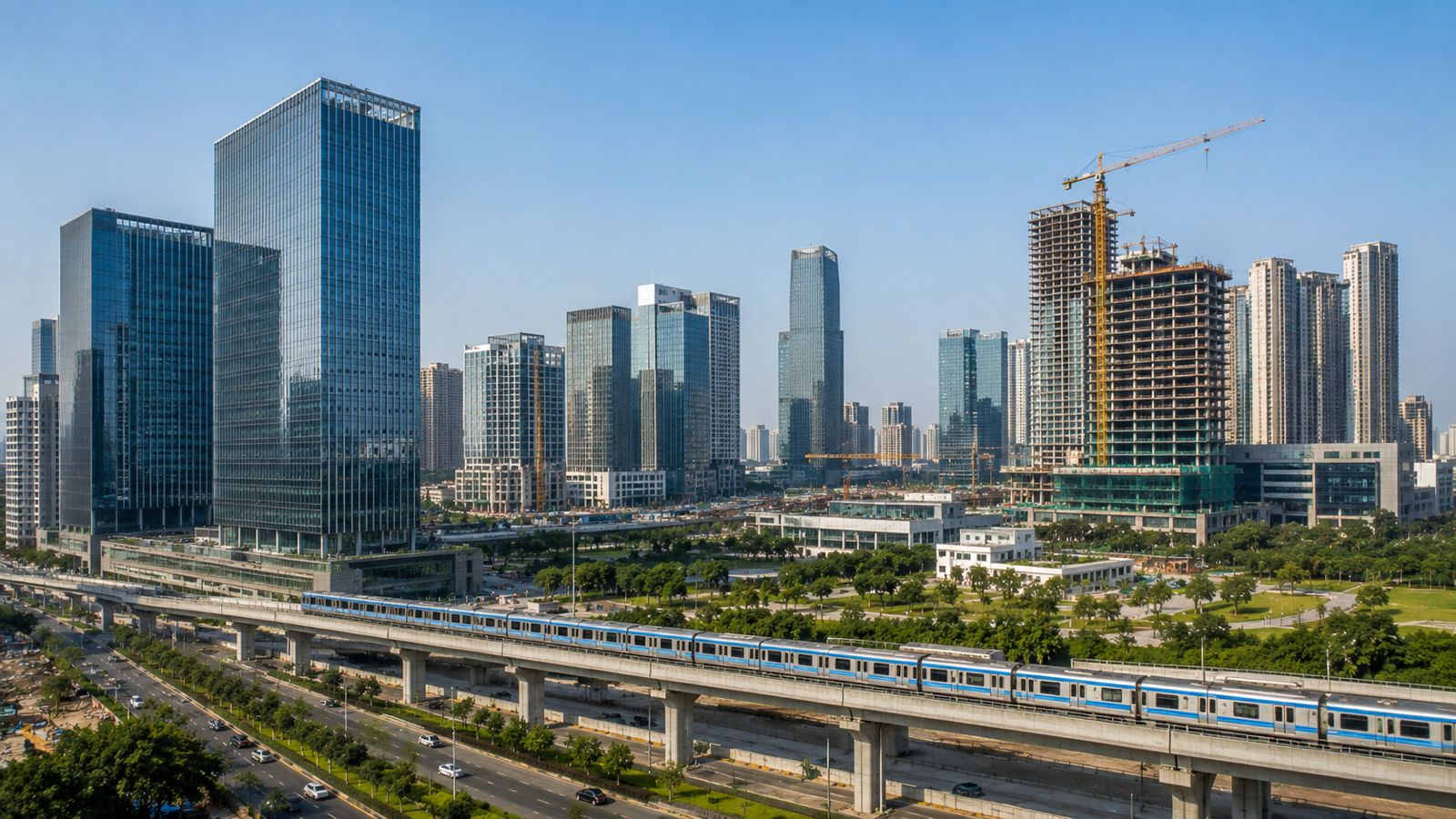
The three proposed clusters are expected to benefit from ongoing metro expansion, road improvements and existing railway connectivity, making them attractive long-term investment destinations.
Challenges That Need Careful Planning
Projects of this scale also face significant challenges. Resident rehabilitation, eligibility verification, transit accommodation, regulatory approvals and execution timelines will determine the overall success of redevelopment.
Maintaining community networks while upgrading neighbourhoods will remain equally important for ensuring long-term social and economic sustainability.
The Bigger Picture
The redevelopment of Antop Hill, Majaswadi and Behrampada reflects Mumbai's broader transition towards integrated cluster redevelopment instead of piecemeal projects.
If executed efficiently, these projects could unlock valuable land, improve housing quality, strengthen civic infrastructure and create new investment opportunities across multiple micro-markets. As redevelopment continues to become Mumbai's primary source of housing supply, large cluster projects are likely to play a defining role in shaping the city's next phase of urban growth.
Sandeep Sadh’s View
"Cluster redevelopment represents the future of Mumbai's housing market. Transforming large land parcels allows planners to improve infrastructure, create better neighbourhoods and unlock long-term real estate value. The success of these projects could accelerate similar redevelopment across several other parts of Mumbai."